Your digging level
Description
Tango canción (song-tango) is the vocal, lyric-centered branch of the Río de la Plata tango tradition. It sets expressive, narrative lyrics to tango’s characteristic syncopated rhythms, shaping the text so that it mirrors the dance’s pulse and the music’s dramatic arc.
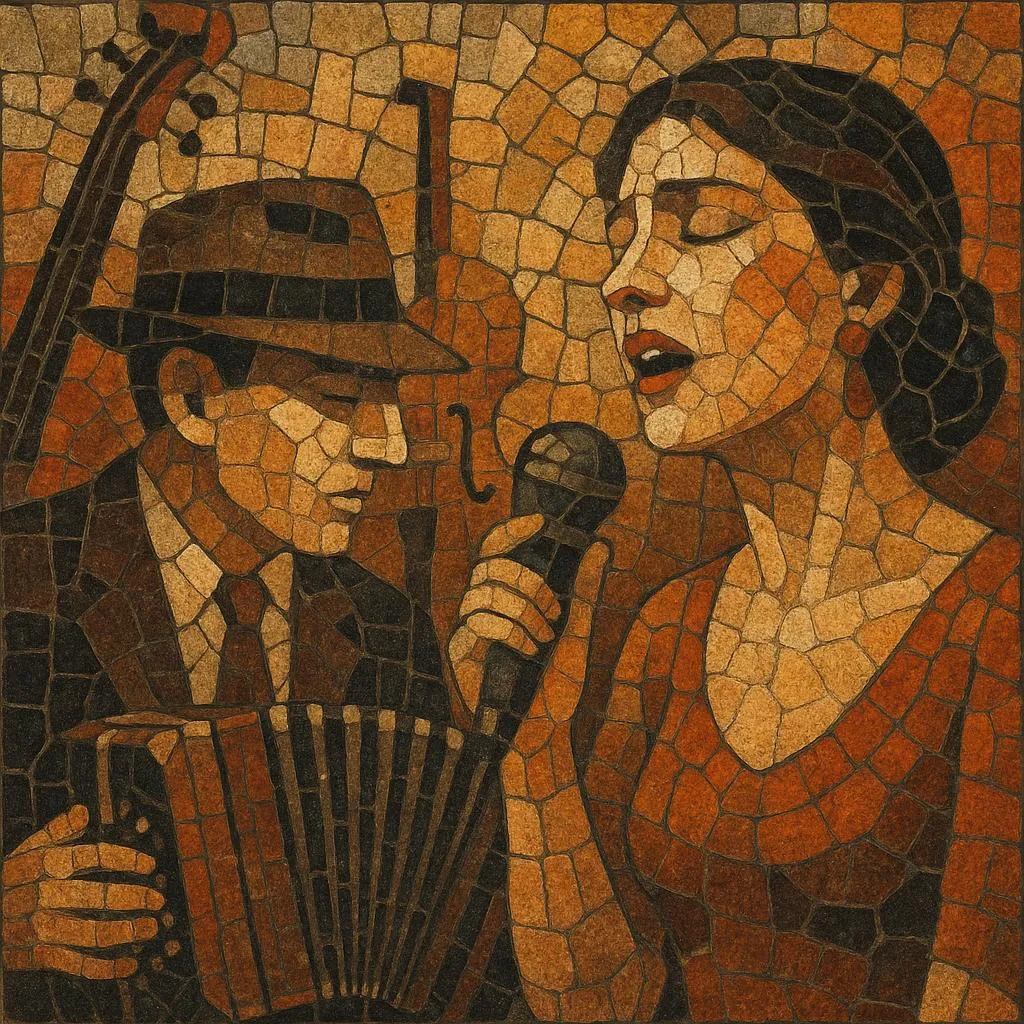
Unlike purely instrumental tango for the dance floor, tango canción foregrounds the singer and the story: themes of love, nostalgia for the barrio, urban melancholy, and bravado are delivered with flexible phrasing and a heightened sense of declamation. The accompaniment typically comes from an orquesta típica (bandoneóns, violins, piano, double bass) or guitar ensembles, which breathe and suspend with the vocalist’s rubato entrances and cadences.
History
Many early tangos were instrumental, but around the 1910s the sung form consolidated in Buenos Aires. Tango canción is often traced to the breakthrough moment when narrative, sentimental texts were set explicitly to tango rhythm; from then on, the singer (el/la cantor/a) became a protagonist equal to the bandoneón. The form drew on existing song and theatre currents (zarzuela, cuplé), Afro-Rioplatense rhythms (candombe), the rural milonga and payada traditions, and the cosmopolitan port-city nightlife.
Radio, phonograph records, and musical theatre fueled a boom in tango canción. Stars emerged, and orquestas típicas developed a refined language to support voice: elastic rubato introductions, dramatic modulations, and text-sensitive arrangements. Film industries in Argentina and neighboring countries amplified the genre’s reach, and tango lyric poetry—rich in lunfardo (Buenos Aires slang)—became a distinctive literary corpus. By the 1940s, the tango singer with orchestra was a cultural emblem across the Southern Cone.
Arrangers deepened harmonic color and orchestral detail while singers cultivated a declamatory style that sat slightly behind the beat, heightening pathos. Repertoires balanced danceable numbers with intimate, introspective songs for listening. Thematically, lyrics explored longing, time, fate, the city, and codes of honor and loss, marrying the dramatic to the everyday.
Even as dance fashions shifted, tango canción remained a touchstone for vocal artistry. Later innovators and crossovers (nuevo tango, electrotango, tango-rock) repurposed its melodic turns, phrasing, and storytelling ethos, while contemporary cantores/cantoras continue to renew the classic repertoire on concert stages and in smaller café settings.