Your digging level

For this genre
0/8
🏆
Sign in, then listen to this genre to level up

Description

Tango is a song-and-dance music from the Río de la Plata region, crystallizing in Buenos Aires (Argentina) and Montevideo (Uruguay) in the late 19th century. It is characterized by a melancholic, dramatic tone; richly expressive melodies; and a distinctive rhythmic feel rooted in the habanera and milonga. Core ensembles feature bandoneón, violin(s), piano, double bass, and sometimes guitar, forming the famed orquesta típica.

Across the 1920s–1950s it became a worldwide craze, moving from rough immigrant bars to grand salons and radio, developing highly sophisticated arranging and performance practices. Lyrics often employ lunfardo (Buenos Aires slang) and dwell on urban nostalgia, love, betrayal, and the neighborhood (el barrio).

Note on terminology: in flamenco, “tangos” is a distinct palo (song form) with a lively 4/4 compás, often in A Phrygian, closely related in feeling to rumba flamenca. Although it shares the name and a spirited character, flamenco tangos is a different tradition from the Río de la Plata tango described above.


Sources: Spotify, Wikipedia, Discogs, RYM, MB, user feedback and other online sources

History

Origins (late 19th century)

Tango emerged in the port districts of Buenos Aires and Montevideo during the 1890s, in a cultural crucible of European immigrants, Afro‑Rioplatense communities, and local criollo traditions. Its rhythm fused the Cuban habanera’s syncopation with the rural/urban milonga and Afro‑Uruguayan candombe, while European salon dances (polka, mazurka, Viennese waltz) informed early step patterns and ensemble customs. The bandoneón—brought by German immigrants—became the genre’s expressive heart.

Expansion and Golden Age (1920s–1950s)

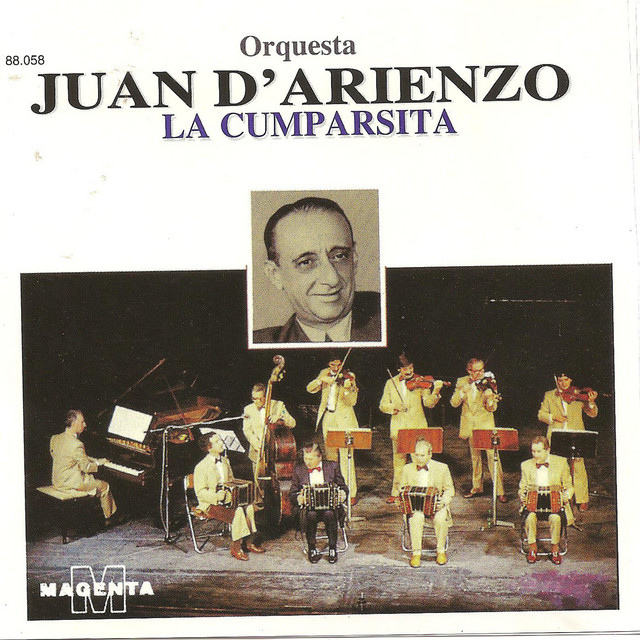
By the 1920s tango moved from neighborhood bars to cabarets, theaters, radio, and international stages (Paris, New York). The orquesta típica standardized instrumentation (bandoneones, strings, piano, bass) and refined arranging. Distinct orchestral styles flourished: the propulsive drive of Juan D’Arienzo, the lyrical depth of Aníbal Troilo, the elegant swing of Francisco Canaro, and the dramatic intensity of Osvaldo Pugliese. The era also elevated tango canción (song tango) through iconic vocalists and poetic lyricists, spreading tango globally.

Innovation and Global Revivals (1960s–today)

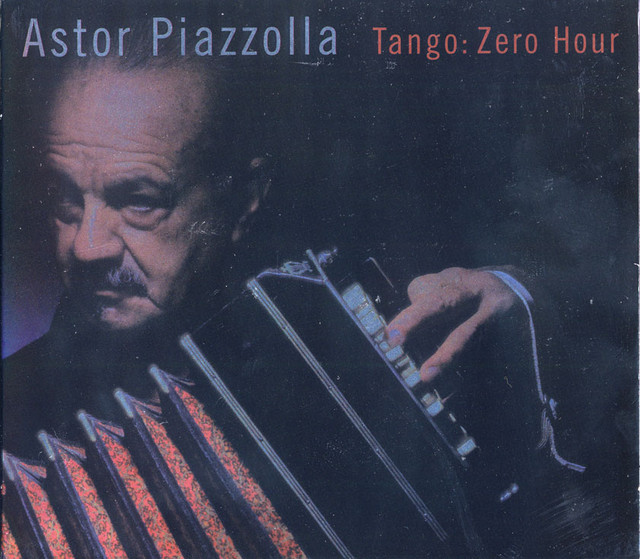
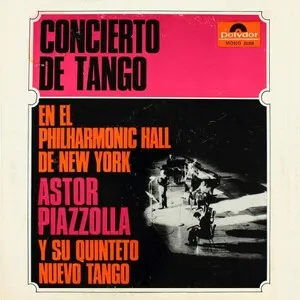
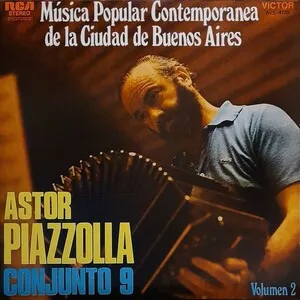
In the 1950s–60s, Astor Piazzolla’s "nuevo tango" expanded harmony, counterpoint, and form, integrating classical and jazz influences and fostering concert (non-dance) tango. Despite periods of local decline due to changing tastes and politics, international tango communities (milongas, festivals, and orchestras) preserved and revived the dance and music, while electrotango/neotango blended traditional timbres (notably bandoneón) with electronic textures. Tango remains a living tradition with active composition, performance, and pedagogy worldwide.

Related form in flamenco: tangos

Separately, flamenco’s tangos is a lively 4/4 palo often used after a slow tiento; it shares a festive feel with rumba flamenca and commonly centers on A Phrygian. Despite the shared name and some rhythmic affinities, it is a distinct Andalusian tradition from the Argentine/Uruguayan tango.

How to make a track in this genre

Core instrumentation and ensemble
•   Use an orquesta típica: 2–4 bandoneones, 2–4 violins (plus viola/cello optional), piano, and double bass. Guitar can substitute or add color in small groups (trío/cuarteto). •   Feature the bandoneón for expressive lead lines, counter‑melodies, and poignant swells.
Rhythm and groove
•   Meter is most often 2/4 or 4/4. Anchor the feel with the habanera cell (dotted‑eighth, sixteenth, eighth, eighth) and milonga‑derived syncopation. •   Employ hallmark articulations: marcato en 4 (strong, even quarter‑note pulses), sincopa (off‑beat accents), arrastre (dragging pickup), and rubato in intros or vocals, returning to strict time for danceability. •   For dance tangos, keep tempi broadly in the 60–72 BPM (quarter‑note) range, adjusting for style (D’Arienzo‑like drive vs. Troilo‑like lyricism).
Harmony and melody
•   Favor minor keys and modal mixture (borrowed chords from parallel modes) to sustain a bittersweet, dramatic mood. •   Use chromatic approach tones, secondary dominants, and circle‑of‑fifths motion; cadences often feature V–i with expressive suspensions. •   Craft violin/bandoneón counterpoint: short, sighing motifs ("quejido") that answer the main melody, plus ornamental turns and portamenti.
Arrangement and articulation
•   Alternate tutti passages with sectional dialogues (bandoneones vs. strings), punctuated by piano/bass rhythmic figures and percussive left‑hand stabs. •   Exploit tango “yeites” (idiomatic tricks): bandoneón push‑pull accents, violin "latigazos" (bow snaps), piano octave doublings, and bass glissandi.
Lyrics and delivery (tango canción)
•   Write texts in plain but poetic language, often with lunfardo slang; themes include nostalgia for the barrio, lost love, fate, and time. •   Vocal delivery is intimate, speech‑like, with micro‑rubatos and clear diction; arrange call‑and‑response figures between singer and bandoneón/strings.
Production tips (modern/electrotango)
•   Blend acoustic orquesta with subtle electronic layers (pads, light beats), preserving the front‑of‑mix bandoneón and string phrasing. •   Avoid over‑quantizing: retain human push‑and‑pull for authentic phrasing.
Related flamenco tangos note
•   If composing in the flamenco “tangos” palo, use a lively 4/4 compás, characteristic llamadas, and A Phrygian harmony; keep guitar-driven grooves akin to rumba flamenca, distinct from Río de la Plata tango.

Main artists

Top tracks

Locked
Share your favorite track to unlock other users’ top tracks

Upcoming concerts

in this genre
Influenced by
Has influenced

Download our mobile app

Get the Melodigging app and start digging for new genres on the go
© 2026 Melodigging
Melodding was created as a tribute to Every Noise at Once, which inspired us to help curious minds keep digging into music's ever-evolving genres.
Buy me a coffee for Melodigging