Your digging level

For this genre
0/8
🏆
Sign in, then listen to this genre to level up

Description

Nuevo tango is a modernized form of Argentine tango that incorporates the harmony, counterpoint, and extended forms of Western classical music together with the rhythmic flexibility, improvisation, and ensemble language of jazz.

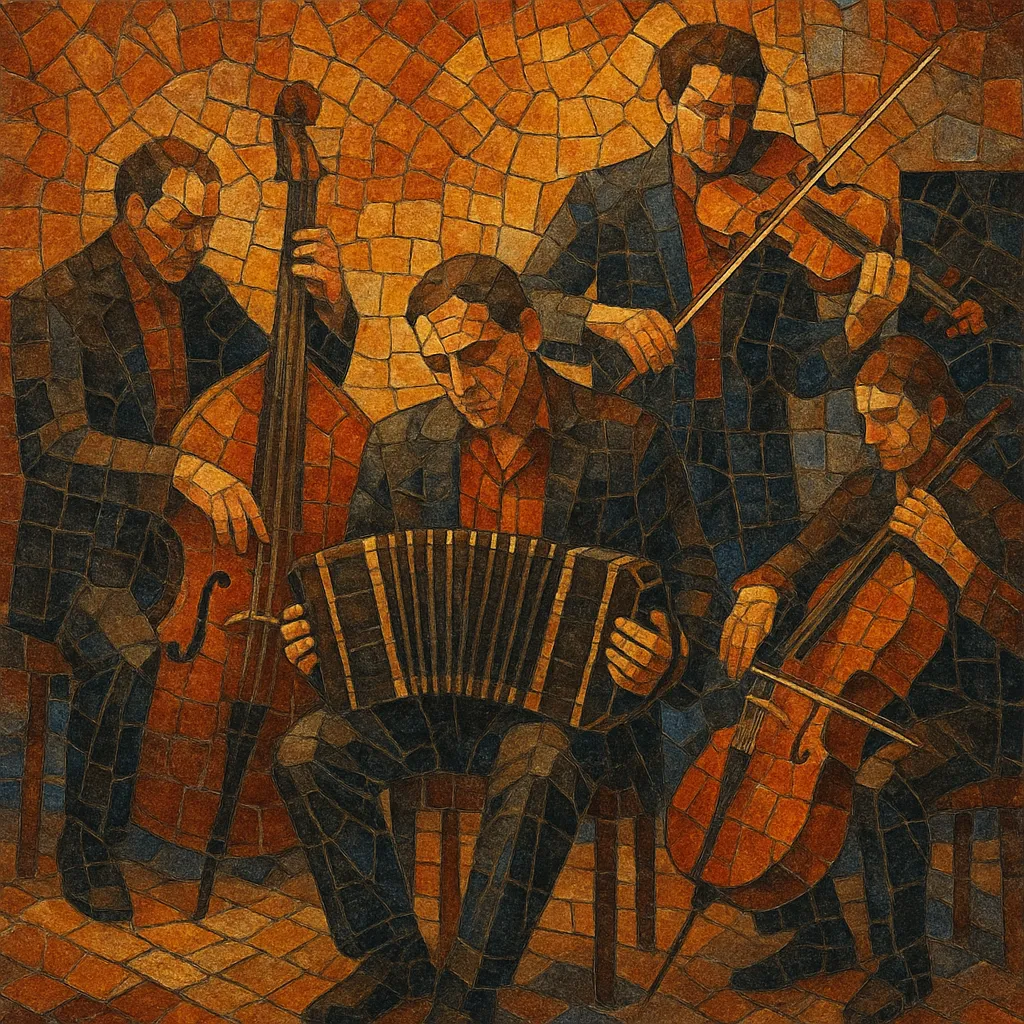
Musically, it retains the dramatic phrasing, rubato, and accented articulation of traditional tango, but expands the palette with chromatic harmony, altered dominants, modal color, contrapuntal writing (often fugal), and more adventurous formal designs. Ensembles range from the classic orquesta típica (bandoneóns, strings, piano, bass) to chamber groups and jazz-inflected combos.

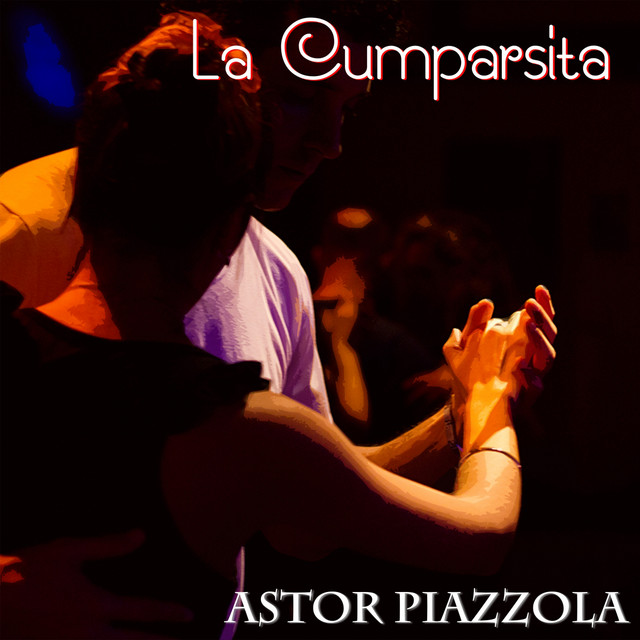
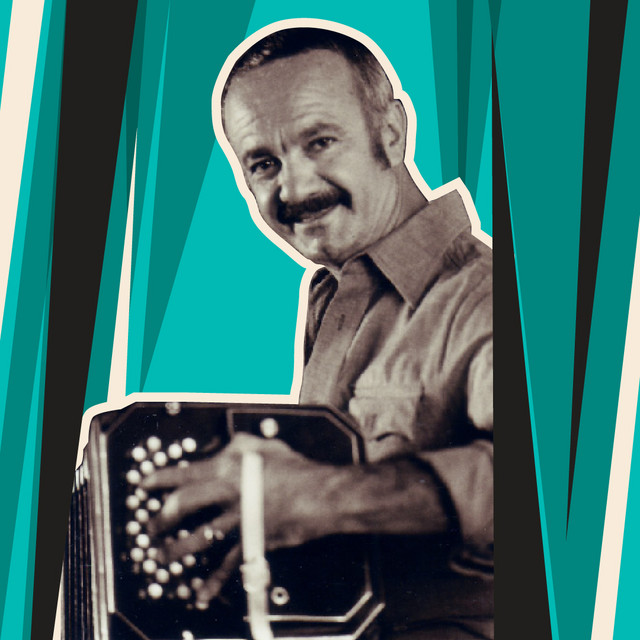
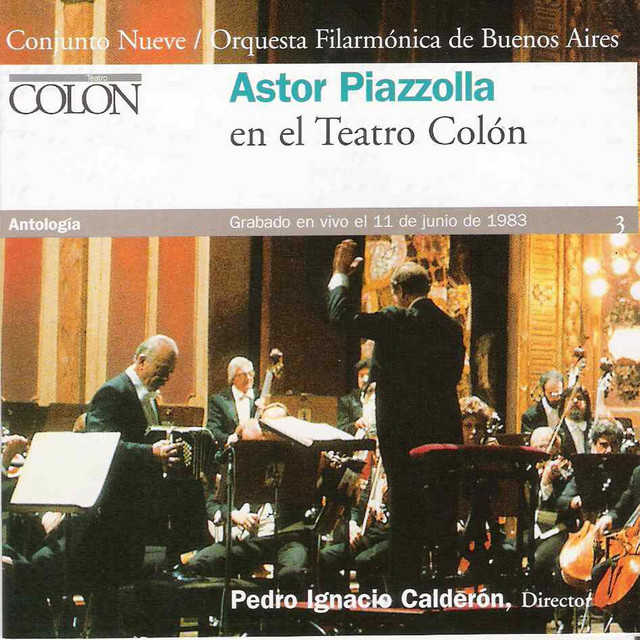
While the musical current crystallized around Astor Piazzolla in the 1950s–60s, the dance interpretation called "tango nuevo" took shape in the 1980s, emphasizing open embraces, off-axis movements, and improvisational exploration aligned with the genre’s musical freedoms.

Sources: Spotify, Wikipedia, Discogs, RYM, MB, user feedback and other online sources

History

Origins (1950s)
•   The musical movement commonly called nuevo tango coalesced in Buenos Aires in the 1950s, led by bandoneonist–composer Astor Piazzolla. Drawing on rigorous classical training (counterpoint, orchestration) and his exposure to jazz, Piazzolla reimagined tango as concert music rather than solely dance music. He retained tango’s core rhythmic vocabulary (marcato, arrastres, milonga underpinning) while introducing chromatic harmony, complex forms, and chamber-like textures.
Consolidation and Expansion (1960s–1970s)
•   Ensembles such as Piazzolla’s Quinteto, and contemporaries like Eduardo Rovira and Horacio Salgán, broadened the idiom with contrapuntal writing, odd-length phrases, and virtuosic solo passages. The bandoneón took on a quasi-concertante role, while piano and strings adopted both percussive and lyrical responsibilities. The music increasingly migrated from the dance floor to concert halls and recordings aimed at attentive listening.
Dance Evolution: "Tango Nuevo" (1980s)
•   Parallel to the musical current, an evolution in tango dance aesthetics gained traction in the 1980s. Often called "tango nuevo," it emphasized improvisation, elasticity of embrace, and exploration of axis and off-axis moves—an embodied response to the expanded musical language and phrasing found in nuevo tango compositions.
Globalization and New Generations (1990s–2000s)
•   Renewed international interest brought nuevo tango to conservatories, jazz venues, and world-music stages. Musicians trained in classical and jazz traditions engaged the style; chamber ensembles and orquestas típicas adopted updated repertoires. The idiom also seeded electronica-inflected offshoots (e.g., electrotango) and crossovers with rock and jazz fusion.
Contemporary Scene (2010s–Present)
•   Today, nuevo tango functions as a living repertoire and a compositional approach: new works continue to balance tango’s idiomatic articulation with advanced harmony, rhythmic play, and counterpoint. Bands and composers worldwide contribute pieces that honor the Buenos Aires roots while embracing modern techniques and cosmopolitan influences.

How to make a track in this genre

Core Ensemble and Timbre
•   Start from an orquesta típica or chamber-sized group: bandoneón (or two), violin/strings, piano, double bass; guitar and cello are common additions. •   Exploit tango articulation: sharp marcato, arrastres (slides into notes), accented off-beats, and the dialogue between staccato percussiveness and lyrical legato.
Rhythm and Groove
•   Base grooves on tango and milonga feels: marcato en 4, síncopa, and the habanera/tresillo undercurrent; use 3–3–2 groupings, cross-accents, and displaced phrases to create propulsion. •   Allow rubato and breath between phrases; use sudden silences, ritardandi, and metric feints to heighten drama.
Harmony and Counterpoint
•   Enrich harmony with jazz and classical devices: extended chords (9ths, 11ths, 13ths), altered dominants (b9/#9/#11/b13), modal color, and chromatic voice-leading. •   Write contrapuntally: canons, imitative entries, and fugal episodes are idiomatic; let inner lines (viola, piano left hand, second bandoneón) carry thematic fragments.
Form and Development
•   Go beyond strophic dance forms: use ternary forms (A–B–A’), arch designs, or multi-section suites. Develop motives via variation, reharmonization, rhythmic augmentation/diminution, and timbral re-orchestration.
Improvisation and Solos
•   Invite jazz-informed improvisation (especially for bandoneón, piano, or violin) over well-defined harmonic cycles; accompany with tango-appropriate comping (piano bordoneos, bass pedal points, string pizzicati).
Writing for Dance vs. Concert
•   For concert works, privilege complex development, metric shifts, and extended forms. •   For danceable pieces, keep a clear pulse and cadential cues while still incorporating modern harmonies and brief improvisational cadenzas.
Production Tips
•   Balance percussive attack (piano and staccato strings) with sustained lines (bandoneón, legato strings). Use close miking to capture articulation, and leave dynamic headroom for sudden climaxes and fermatas.

Main artists

Top tracks

Locked
Share your favorite track to unlock other users’ top tracks

Upcoming concerts

in this genre
Influenced by
Has influenced

Download our mobile app

Get the Melodigging app and start digging for new genres on the go
© 2026 Melodigging
Melodding was created as a tribute to Every Noise at Once, which inspired us to help curious minds keep digging into music's ever-evolving genres.
Buy me a coffee for Melodigging