Your digging level

For this genre
0/8
🏆
Sign in, then listen to this genre to level up

Description

Milonga is a Río de la Plata song genre that took shape in the late 19th century among gaucho singers (payadores) in Argentina and Uruguay, with a parallel presence in Brazil’s southern state of Rio Grande do Sul. It is widely regarded as a direct precursor to tango.

Characterized by a generally slow, loping rhythm in duple meter (2/4 or 4/4), milonga is most often performed with voice and a single criolla (nylon‑string) guitar using bass‑line “bordoneo,” light syncopation, and habanera‑like cells. Texts typically use décima (espinela) stanzas and reflect rural life, love, solitude, and the vastness of the pampas.

Note: Here “milonga” refers to the song/folk style (often called milonga campera), not the later, faster urban dance form of tango known as “milonga.”


Sources: Spotify, Wikipedia, Discogs, RYM, MB, user feedback and other online sources

History

Origins (late 19th century)

Milonga arose in the Río de la Plata region as the sung expression of payadores—improvising gaucho bards—who accompanied themselves on guitar. Its rhythmic feel drew heavily on Afro‑diasporic patterns present in local candombe as well as on the Cuban habanera that had already permeated port cities. Poetic décimas and rural themes anchored the genre to the pampas and to itinerant gaucho culture.

From countryside to port cities

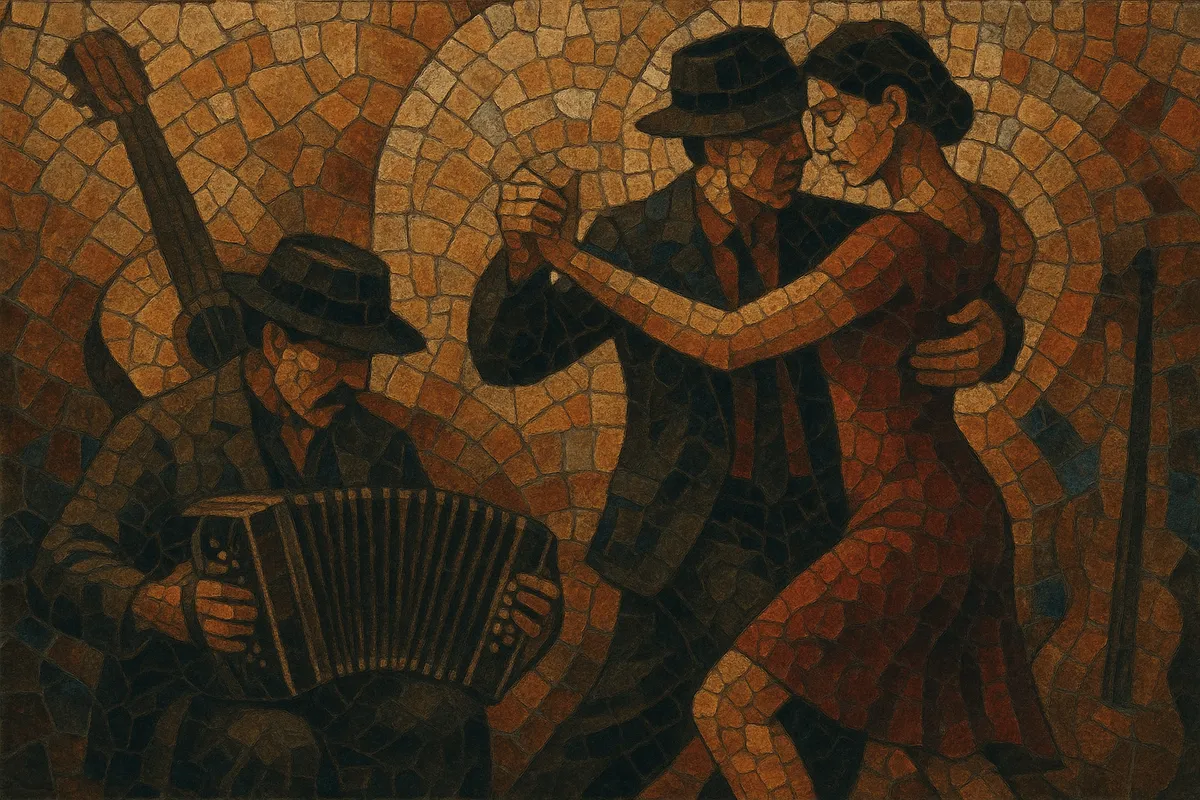
As the style circulated between the countryside and Montevideo/Buenos Aires, a more urban, faster and danceable variant (milonga porteña/ciudadana) emerged alongside the slower milonga campera. This urbanization of rhythmic cells, cadences, and guitar idioms—soon joined by bandoneón and small ensembles—directly fed into the early vocabulary of tango.

20th‑century continuity and revival

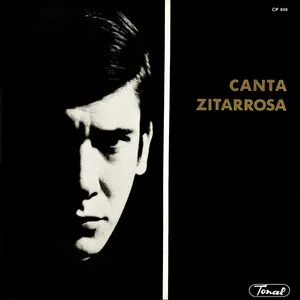
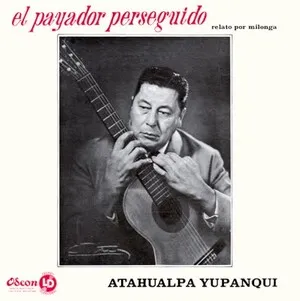
While tango took international prominence, the slower, reflective milonga campera remained vital in folk and canción criolla traditions. Artists such as Atahualpa Yupanqui (Argentina), Osiris Rodríguez Castillos and Alfredo Zitarrosa (Uruguay) refined a concert‑folk idiom that preserved the genre’s poetic gravity and guitar craft. In southern Brazil, milonga gaúcha became part of the nativist repertoire, adding regional timbres (e.g., gaita‑ponto/accordion) while retaining the characteristic pulse.

Today

Contemporary singer‑guitarists in Argentina, Uruguay, and Brazil continue to write milongas, maintaining the décima tradition, bordoneo textures, and subtle habanera swing. The genre persists both as a standalone folk form and as a deep root within the tango family.

How to make a track in this genre

Core rhythm and meter
•   Write in 2/4 or 4/4 at a moderate to slow tempo. Aim for a steady, loping feel rather than strict metronomic time. •   Use habanera‑type syncopation (long–short–long–long) and light anticipations in the bass. On guitar, alternate bass with inner‑string arpeggios (bordoneo) to suggest motion across the pampas.
Harmony and melody
•   Common tonal centers are minor (A minor, E minor, D minor), often with a Phrygian‑tinged V (e.g., E major over A minor) borrowed from Iberian practice. •   Favor simple progressions (i–V–i, or Andalusian cadences like Am–G–F–E) with occasional modal color. •   Melodies should be lyrical and declamatory, leaving space for text delivery; ornament sparingly with mordents or short slides.
Text and form
•   Set verses in décima (10‑line espinela) or octosyllabic couplets. Themes include gaucho life, solitude, love, and landscapes. •   Strophic form is typical: verse–verse–instrumental interlude–verse. Allow brief prelude/introduction on solo guitar.
Instrumentation and articulation
•   Primary instrument: nylon‑string (criolla) guitar using thumb‑led bass and rasgueado/golpes for subtle percussive accents. •   Optional additions: second guitar (counter‑bordoneo), voice in close duet, light bombo legüero, or regional colors (e.g., accordion in the gaúcha tradition). Keep textures transparent so the voice and text remain central.
Performance practice
•   Delivery is intimate and story‑driven; slight rubato on vocal entries is idiomatic. •   Between verses, insert short guitar interludes featuring bordoneo, inner‑voice counterlines, or brief variations on the main progression.

Best playlists

Top tracks

Locked
Share your favorite track to unlock other users’ top tracks

Upcoming concerts

in this genre
Influenced by
Has influenced

Download our mobile app

Get the Melodigging app and start digging for new genres on the go
© 2026 Melodigging
Melodding was created as a tribute to Every Noise at Once, which inspired us to help curious minds keep digging into music's ever-evolving genres.
Buy me a coffee for Melodigging