

Your digging level

For this genre
0/8
🏆
Sign in, then listen to this genre to level up

Description

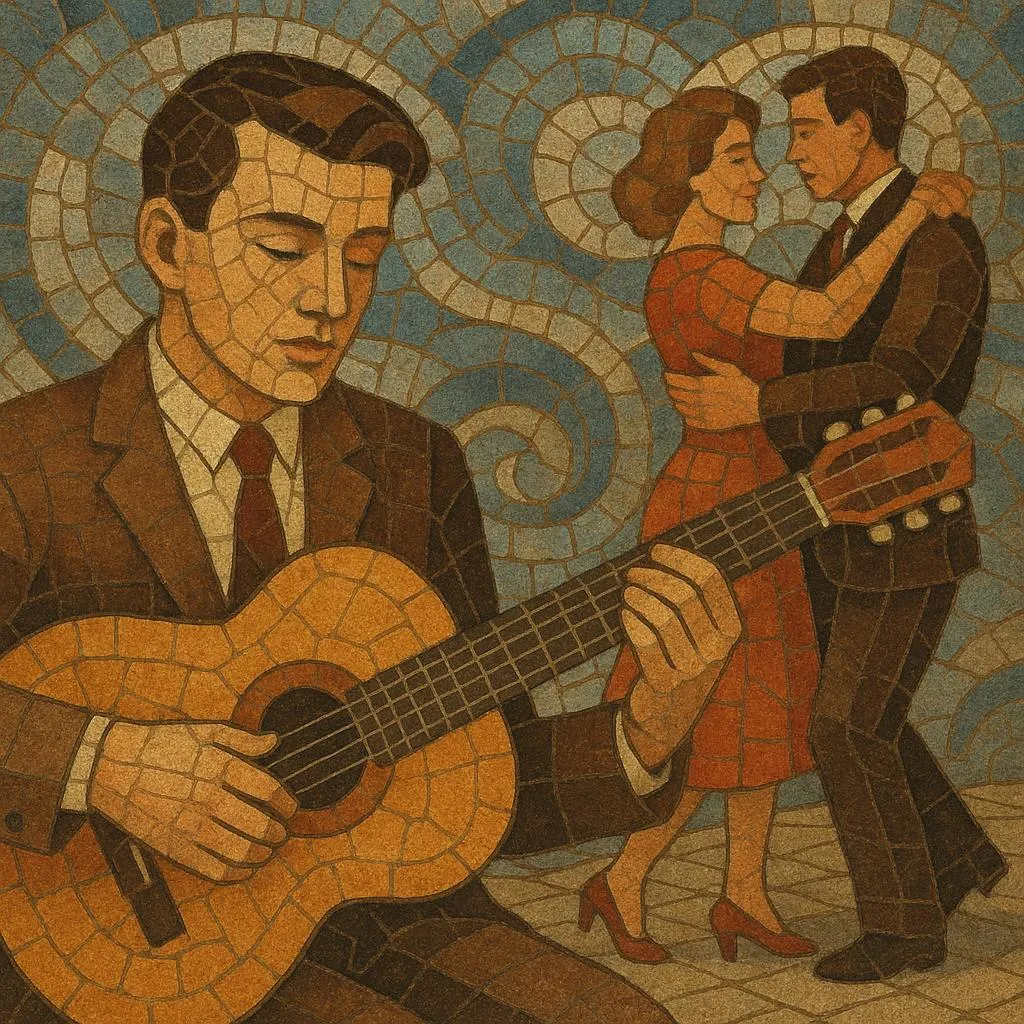
Classic iskelmä is the mid‑20th‑century form of Finnish popular song that blends European schlager sensibility with local dance traditions and lyrical Finnish melancholy (kaiho). It favors clear, singable melodies, polished arrangements, and emotionally direct, often romantic or wistful texts.

Stylistically it draws from foxtrot, waltz and especially the Finnish tango, while also absorbing elements of jazz, traditional pop and early rock ’n’ roll. Songs were crafted for radio, records and dance pavilions (lavatanssit), which shaped their graceful tempos, elegant phrasing, and danceable grooves.

“Classic” typically denotes the golden era—roughly the late 1950s through the 1970s—when iskelmä standardized its sound, built star vocalists with rich orchestral backing, and became a national soundtrack for both urban listeners and summer dance halls.


Sources: Spotify, Wikipedia, Discogs, RYM, MB, user feedback and other online sources

History

Origins (1930s–1950s)

The word “iskelmä” (a “hit” or “catchy tune”) appears in Finnish discourse in the early 20th century, but the sound took shape between the 1930s and 1950s as European schlager, film music and American jazz/foxtrot models filtered into Finland. Dance culture—waltz, foxtrot and particularly the locally embraced tango—provided the rhythmic and emotional bedrock.

Golden Era (late 1950s–1970s)

Post‑war prosperity, an expanding record industry, radio/television exposure, and a dense network of summer dance pavilions elevated iskelmä to a dominant national style. Producers and bandleaders refined a polished studio‑orchestral sound: strings, accordion or saxophone, light kit drums, and crooning lead vocals. Melodies favored diatonic lyricism and memorable refrains; lyrics leaned to romance, longing, nature and seasonal imagery.

In the 1960s, early rock ’n’ roll and beat influences softened the edges without breaking the genre’s identity. Eurovision participation and domestic song contests helped codify repertoire and launched new stars, while arrangers introduced subtle jazz voicings and key‑change codas.

Consolidation and Legacy (1970s onward)

By the 1970s, classic iskelmä was a mature idiom with deep catalog and household‑name vocalists. Even as rock, disco and later pop trends diversified Finnish tastes, iskelmä remained a fixture of radio, dance venues and national memory. Its melodic language and production values directly influenced later Finnish pop and “suomirock,” and its standards continue to be reinterpreted by new generations.

How to make a track in this genre

Core ingredients
•   Melody: Write a clear, lyrical tune with a memorable chorus. Favor diatonic stepwise motion with tasteful leaps; prepare a late song lift via a whole‑ or half‑step key change (modulatory “gear change”) in the final chorus. •   Harmony: Use functional progressions (I–vi–IV–V, ii–V–I, I–IV–V). Borrow from relative minor for bittersweet color; occasional secondary dominants and jazz‑tinged extensions (add6, maj7) fit well. •   Rhythm and tempo: Choose danceable meters—slow/medium foxtrot (4/4, light swing), waltz (3/4), or tango (habanera‑tinged 4/4). Keep grooves smooth and supportive of phrasing, 84–120 BPM depending on dance style.
Instrumentation and arrangement
•   Lead vocal front and center; warm, expressive delivery with careful Finnish diction and legato phrasing. •   Backing: small orchestra or dance band—strings (or string pads), accordion or saxophone for color, clean electric or acoustic guitar, piano, upright/electric bass, light drums with brushes, occasional vibraphone. •   Orchestration should cradle the voice: intro hook, sparse verses, fuller choruses, a short instrumental interlude (often strings/sax/accordion), and a climactic final chorus (post‑modulation).
Lyrics and expression
•   Themes: love, yearning, nature/seasonal imagery, metropolitan nostalgia. Aim for concise, evocative lines and memorable refrains. •   Tone: romantic and dignified; even upbeat numbers keep a graceful poise. Use imagery (night, sea, forests, snow, summer dances) to anchor emotion.
Form and production
•   Common forms: AABA (32‑bar) or verse–pre–chorus–chorus; include a brief middle‑eight for contrast. •   Production: clear, non‑aggressive mix; gentle plate reverb on vocals; tight, understated rhythm section; tasteful countermelodies in strings/woodwinds.
Performance tips
•   Prioritize phrasing and breath; allow natural rubato at line ends before returning to steady dance pulse. •   Use dynamic swells into choruses; save the brightest timbres for the post‑modulation finale.

Top tracks

Locked
Share your favorite track to unlock other users’ top tracks

Upcoming concerts

in this genre
Influenced by
Has influenced

Download our mobile app

Get the Melodigging app and start digging for new genres on the go
© 2026 Melodigging
Melodding was created as a tribute to Every Noise at Once, which inspired us to help curious minds keep digging into music's ever-evolving genres.
Buy me a coffee for Melodigging
