Your digging level
Description
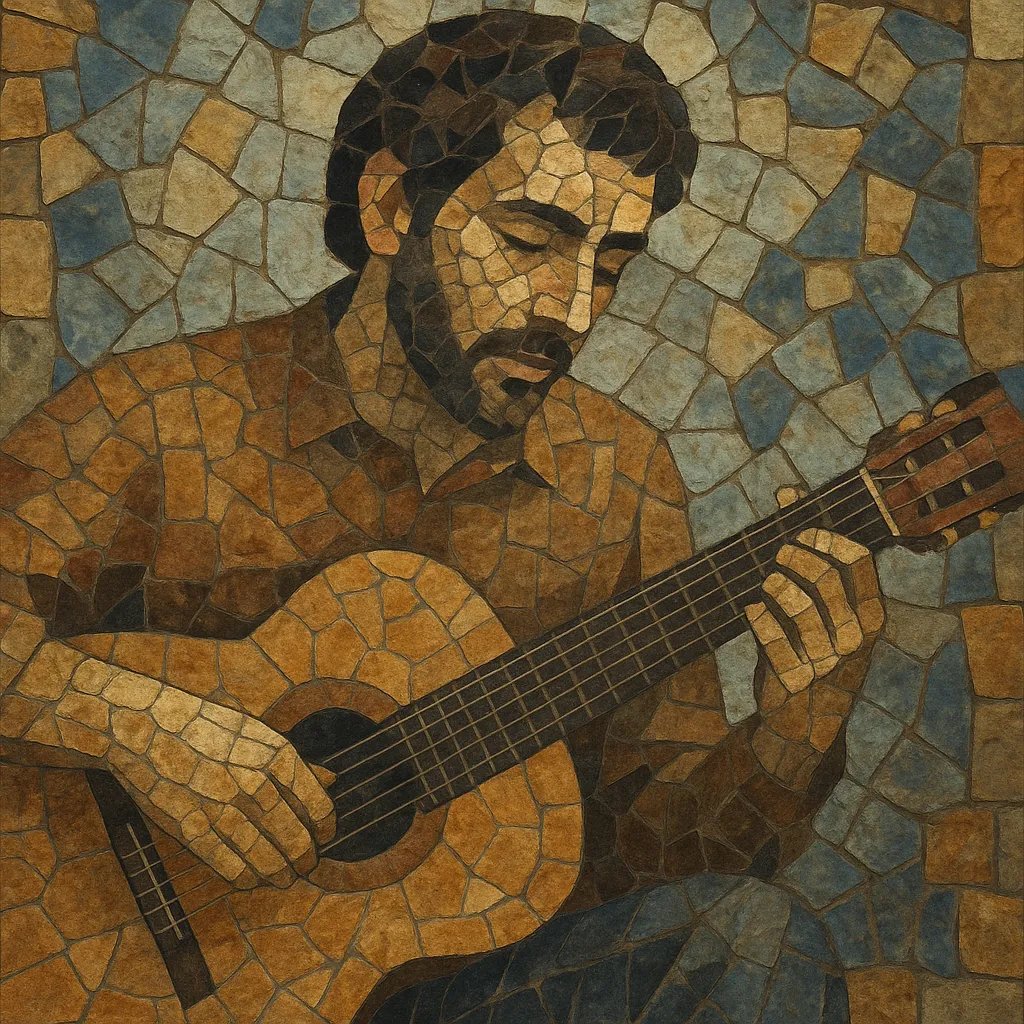
Cantautor refers to the Spanish-language singer‑songwriter tradition in which the performer is the primary author of both lyrics and music, often accompanying themselves on acoustic guitar or piano.
The style foregrounds poetic, narrative, and socially engaged lyrics, delivered with an intimate vocal approach and simple, folk-leaning harmonies. While it overlaps with global singer‑songwriter currents, cantautor developed a distinct identity in Spain and Latin America through its connection to local poetry, vernacular folk idioms, and political expression during the 1960s–1980s.
History
Cantautor emerged in Spain in the mid‑1960s under the umbrella of canción de autor, parallel to global singer‑songwriter and protest-folk movements. Artists drew on local poetry and Iberian folk idioms while absorbing influences from French chanson and the Anglo-American folk revival. In the late-Franco era, cantautores became important cultural figures, using metaphor and allegory to navigate censorship while addressing personal and social themes.
The aesthetic and ethos quickly resonated across Latin America, intersecting with movements like Nueva Canción and Cuban trova. In countries facing repression, cantautores often served as voices of dissent and conscience, elevating the role of the lyric and narrative song. The repertoire broadened to include love songs, existential reflection, and urban chronicle alongside explicitly political work.
With democratization and industry changes, cantautor moved from small cafés and peñas to mainstream venues and recordings. Arrangements expanded beyond solo guitar to include band formats, orchestral colors, and pop‑rock production, while maintaining the centrality of the authorial voice. New generations blended the tradition with indie folk, pop, and subtle electronic textures.
Contemporary cantautores maintain the core focus on lyric craft and intimate delivery, whether in minimalist live settings or polished studio productions. The genre remains a flexible framework for storytelling—equally suited to social commentary, romantic introspection, and everyday realism—across Spain and the wider Spanish‑speaking world.
Start with voice and a primary accompanying instrument—typically nylon‑string acoustic guitar or piano. Keep textures intimate; add light bass, brushes, or strings only if they support the lyric.
Favor diatonic progressions in major or minor with occasional modal flavor (e.g., Dorian or Phrygian inflections reflecting Iberian folk). Common patterns include I–V–vi–IV, I–IV–V, ii–V–I, or Andalusian cadence (i–VII–VI–V). Melodies should sit comfortably in the vocal range and leave space for textual clarity.
Use simple meters (4/4, 3/4, 6/8) with flexible phrasing and rubato to prioritize the story. Verses typically carry narrative detail; a concise refrain anchors the song emotionally. Bridges or middle‑eights can offer a reflective turn.
Center the song on the words: poetic imagery, concrete detail, and clear narrative arcs. Topics range from love and memory to social critique and everyday life. Employ metaphor, wordplay, and internal rhyme; maintain natural prosody in Spanish so stresses align with musical accents.
Keep arrangements transparent so the vocal and lyric remain focal. Use dynamic nuance, articulate diction, and conversational phrasing. In studio, avoid over‑compression; preserve breath and acoustic warmth. Live, favor intimate rooms where storytelling connects directly with the audience.