Your digging level
Description
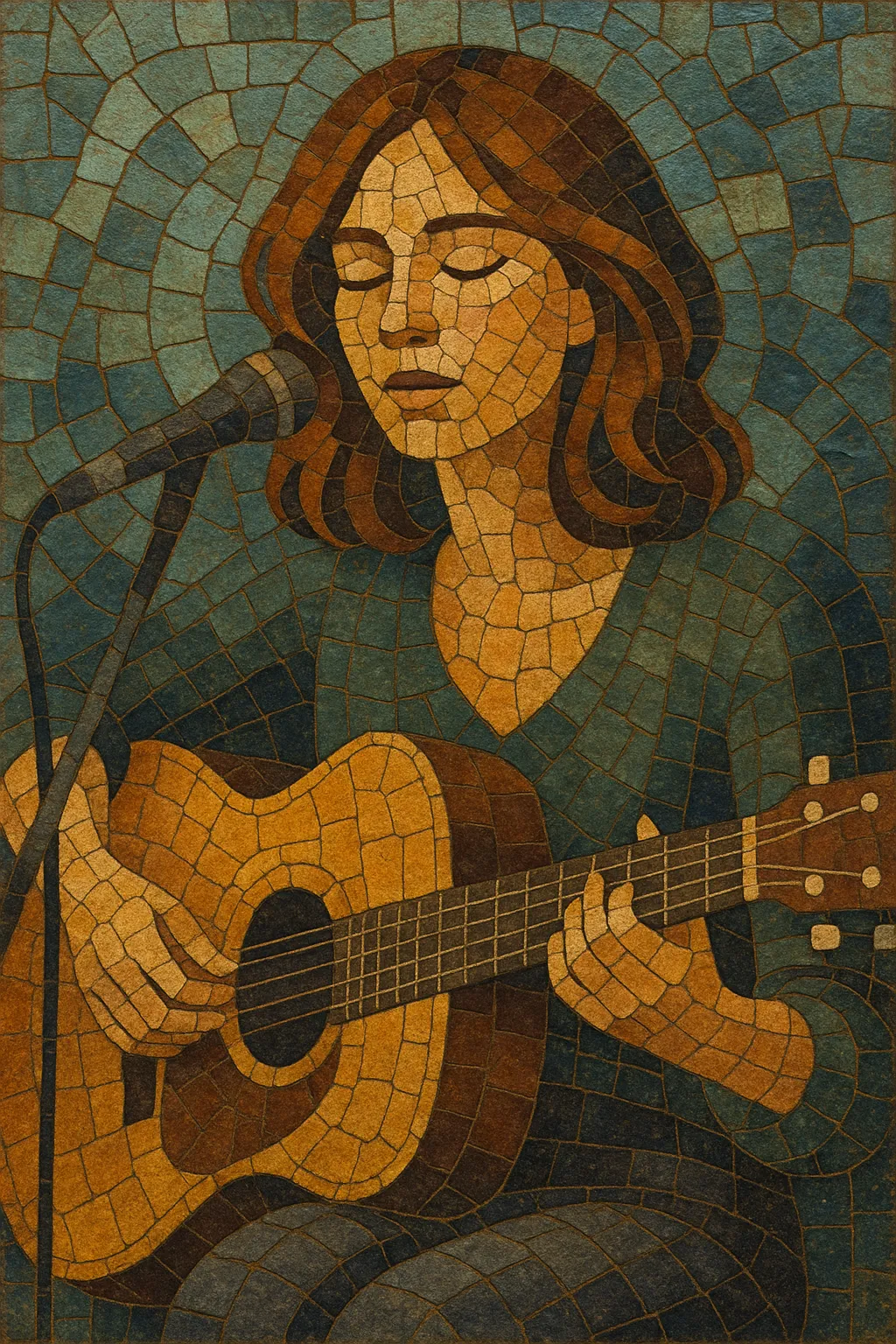
Singer-songwriter pop blends the intimate, author-driven songwriting of the singer‑songwriter tradition with the hooks, structures, and production sheen of mainstream pop.
Songs are typically led by voice with piano or acoustic guitar, built around strong choruses, relatable narratives, and concise arrangements. Compared to folkier singer‑songwriter work, the style leans toward radio-friendly forms, brighter sonic palettes, and polished studio craft, while still foregrounding personal lyrics and clear melodic focus.


History
Singer‑songwriter pop emerged as artists who wrote and performed their own material began adopting pop song structures and studio polish. The folk and folk‑rock movements supplied confessional lyricism and acoustic foundations, while pop and soft rock contributed concise forms and radio‑ready arrangements. Early breakthroughs by writer‑performers with strong hooks and personal narratives helped define the sound.
The MTV era and adult contemporary radio amplified the style’s reach. Piano‑ and guitar‑led storytellers embraced glossy production, backing vocals, and tasteful synths, keeping lyrics personal but widening subject matter to appeal to mass audiences. The format proved flexible, crossing into soft rock, adult contemporary, and light soul while maintaining the authorial voice at the core.
Affordable home recording and online platforms enabled a new generation to marry diary‑like songwriting with pop craftsmanship. Acoustic‑leaning hits sat alongside slick, chart‑oriented productions, while collaborations with pop producers introduced bigger hooks, modern drum programming, and hybrid textures. Viral moments and soundtrack placements further cemented its mainstream presence.
Singer‑songwriter pop remains a major lane within global pop, from stripped acoustic ballads to polished, beat‑driven anthems. Social media and streaming playlists favor direct, conversational lyrics, memorable choruses, and intimate vocals, while production ranges from minimal bedroom recordings to high‑gloss studio work. The genre’s core identity—personal authorship meeting pop immediacy—continues to define its evolution.





Best playlists