Your digging level
Description
Gen Z singer-songwriter is a contemporary, internet-native take on the confessional singer-songwriter tradition, shaped by DIY tools and social media discovery. It blends acoustic guitar or piano-led writing with bedroom-pop textures, soft indie-pop hooks, and alt-pop sound design.
The style favors close-mic, conversational vocals; diaristic lyrics about coming-of-age, mental health, identity, and digital-era relationships; and compact song lengths optimized for streaming and short‑form video. Production often juxtaposes intimate, lo‑fi edges (room noise, gentle compression, airy reverb) with modern pop polish (subtle 808s, minimal beats, and tasteful synth pads).


History
The roots lie in the long singer-songwriter lineage, but the Gen Z wave formed as YouTube covers, SoundCloud uploads, and bedroom recording software made fully DIY releases normal. Tumblr-era indie and early "bedroom pop" set the aesthetic: intimate, diaristic, and self-produced. Young artists began writing and producing on laptops, sharing drafts directly with online communities.
Short-form video (especially TikTok), algorithmic playlists, and low-cost home studios created a rapid feedback loop. Snippets and live-room clips allowed songs to break before traditional promo, while fans embraced hyper-specific storytelling that felt authentic to digital life. This era solidified the sound: quiet, close vocals; acoustic/piano cores; and minimalist pop production.
Lockdowns amplified at-home creativity and intimate narratives. Viral successes translated to streaming and charts, proving that laptop-crafted songs could sit beside major-label pop. The micro-genre’s motifs—confessional writing, conversational delivery, and subtle pop polish—became widely imitated by both indie and major artists.
Labels built A&R pipelines around social discovery, while regional scenes (US, UK, Scandinavia, the Philippines, etc.) localized the template. The style now spans melancholy folk-pop to sleek alt-pop, but remains anchored by authenticity-first lyrics, compact structures, and internet-native rollout strategies.
Start with a voice-and-guitar or voice-and-piano foundation. Keep the vocal close and dry enough to feel conversational, then add light, airy reverb for space. Layer minimal drums (soft kicks, gentle rimshots, brushed snares), subtle 808 subs, and warm synth pads or guitar ambience.
Use simple, emotive diatonic progressions (e.g., I–V–vi–IV or vi–IV–I–V) with occasional modal interchange for color (iv in major, bVII). Typical tempos range 70–100 BPM for reflective songs; mid-tempo (100–120 BPM) works for pop-leaning tracks. Keep arrangements compact (2:30–3:15), with a memorable 10–20 second hook suitable for short-form clips.
Write melodies that trace natural speech contours—small ranges with a few well-placed leaps in the chorus. Prioritize intelligibility and intimacy over vocal gymnastics. Whisper-sung or lightly breathy delivery is common; double the lead selectively for emphasis and add tight harmonies in choruses.
Use first-person, hyper-specific detail (names, places, timestamps, apps) to feel lived-in and authentic. Themes often include mental health, self-image, complicated friendships/romance, and the push-pull of online life. Trim verses to the essential image; let the chorus capture a single, quotable thesis line.
Embrace tasteful imperfection: light tape hiss, finger noise, or room tone can enhance intimacy. Sidechain pads subtly to the vocal; keep buses clean. Parallel compress the vocal gently; apply de-essing and a soft high-shelf for clarity. Avoid over-arranging—negative space and dynamics carry the emotion.
Start sparse; add one new element per section (shaker, pad, bass swell). Build to a final chorus or post-chorus with stacked harmonies or a lifted drum pattern, then consider a quiet outro to return to intimacy.
Tease a strong lyric or chorus hook in short-form videos before release. Share acoustic live takes, behind-the-scenes clips, and lyric snippets to cultivate narrative and community.

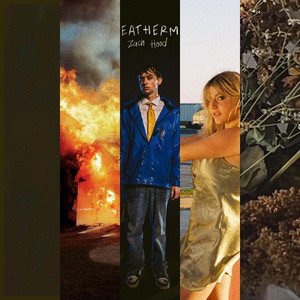
Top albums