Your digging level
Description
Solo wave is an internet-era microgenre that blends the intimate, DIY sensibility of bedroom pop with vaporwave- and chillwave-tinged atmospheres and soft indie pop songwriting.
Typically produced by solo artists working from home studios, it favors gentle synth pads, chorus-washed guitars, understated trap- or pop-leaning drums, and confessional vocals framed by nostalgic reverb and tape-like warmth. The result is dreamy, sentimental, and highly shareable songs that circulate on streaming platforms and social media.
Lyric themes often center on young adult relationships, self-reflection, mental health, and digital-age loneliness—delivered in a direct, diaristic tone that reinforces the genre’s solitary, “one-person project” ethos.

History
Solo wave coalesced in the late 2010s as solo creators leveraged affordable DAWs, bedroom recording setups, and platform-first release strategies. Musically, the sound drew from the hazy nostalgia of chillwave and vaporwave, the hook-oriented immediacy of indie pop, and the diaristic candor of modern singer-songwriters. Early tracks spread via SoundCloud, Bandcamp, and YouTube, where lo-fi aesthetics and intimate vocals resonated with online audiences.
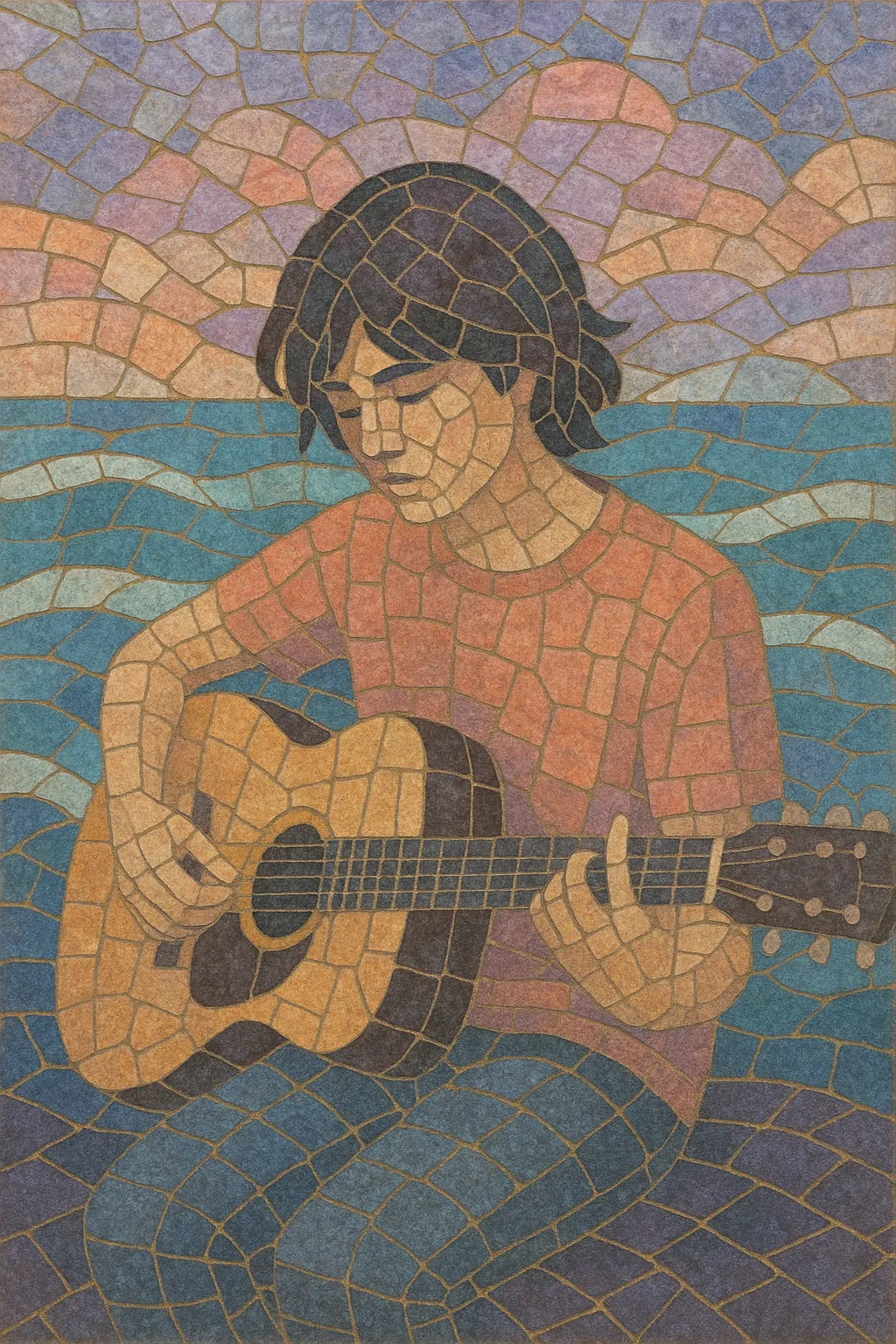
As short-form video platforms and playlist culture matured, solo wave found a natural home: compact, emotionally direct songs with soft textures and memorable hooks performed well on algorithmic playlists and TikTok clips. Artists refined a palette of airy synths, light trap hi-hats, lo-fi guitar lines, and close-mic vocals. Cover art and visuals leaned toward pastel tones and retro-digital motifs, reinforcing the genre’s nostalgic mood.
The style continued blending with alternative R&B, dream pop, and indie electronic. Collaborative remote features and remixes remained common, but the creative center stayed the same: one primary songwriter-producer crafting intimate, self-contained worlds. The genre’s shareability also fed into newer tags like social media pop, POV-centered indie, and Gen Z singer-songwriter scenes.