Your digging level for this genre

0/8
🏆
Sign in, then listen to this genre to level up

Description

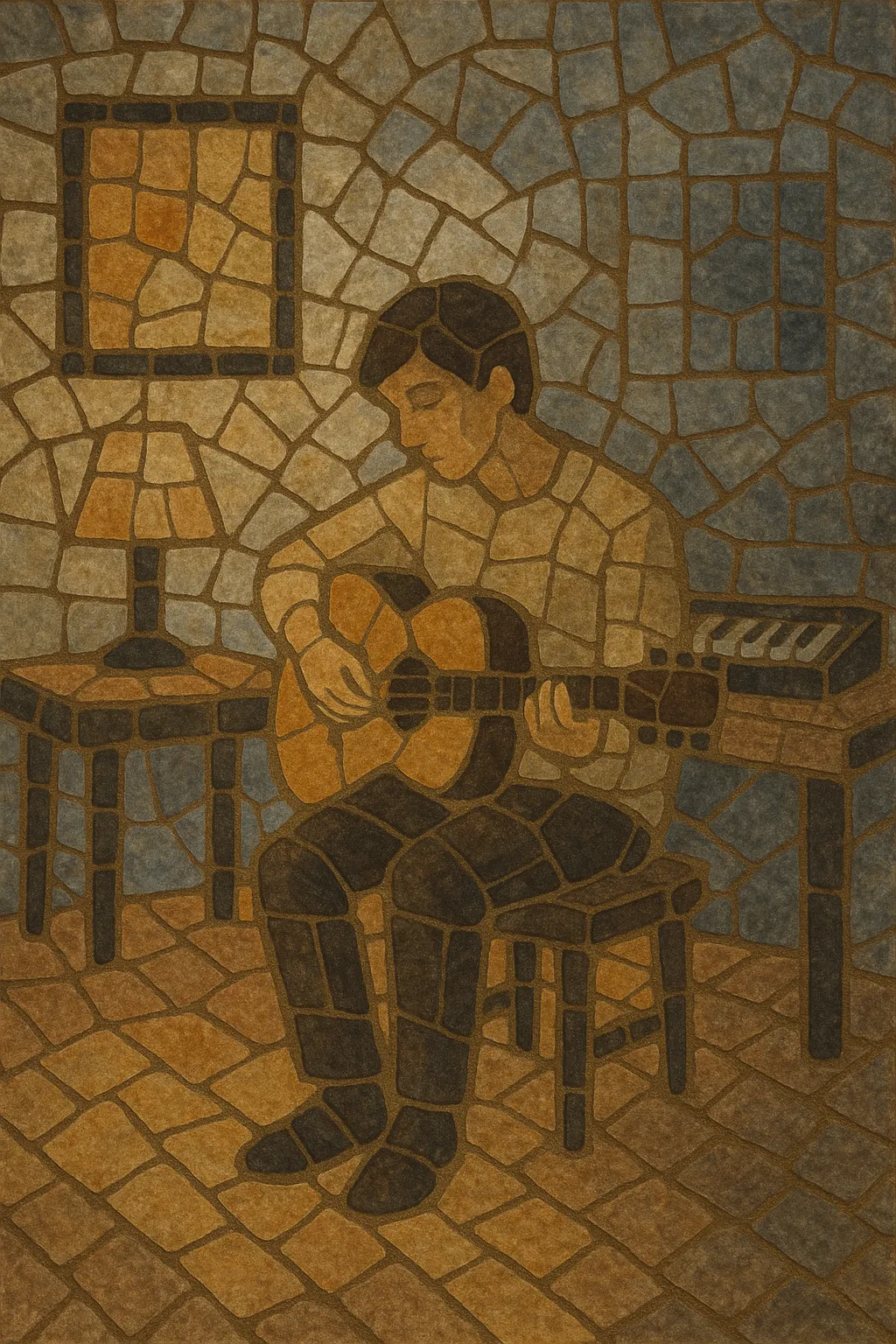
Small room is a contemporary micro‑genre that sits near bedroom pop and intimate indie folk, defined by hushed, close‑miked vocals, minimal arrangements, and soft dynamics. Its recordings emphasize the natural, dry sound of a single space—often literally a small room—creating an intimate, confessional atmosphere.

Typical instrumentations include gentle acoustic or clean electric guitar, soft piano, understated electronic drums, and airy pads or lo‑fi textures. Tempos are moderate to slow, harmonic movement is simple and diatonic, and lyrics focus on introspection, relationships, and everyday detail. The overall aesthetic privileges understatement, warmth, and proximity, as if the artist were singing a private demo directly to the listener.

History

Origins (late 2010s)

Small room emerged in the late 2010s alongside the rise of bedroom‑recorded singer‑songwriters who leveraged affordable home studios, YouTube, and streaming playlists. The tag coalesced around an aesthetic: intimate vocals, minimal production, and the audible presence of a small, untreated space. It drew heavily from bedroom pop’s DIY ethos and indie folk’s confessional writing.

Aesthetic consolidation (late 2010s–early 2020s)

Curatorial ecosystems—editorial and algorithmic playlists—helped codify the sound: close‑up vocals, soft guitar or piano, light electronic percussion, and gentle lo‑fi sheen. Artists cross‑pollinated with lo‑fi hip hop and chillwave textures while keeping arrangements sparse, foregrounding storytelling and emotional immediacy.

Pandemic‑era amplification (2020–2021)

Lockdowns amplified home‑recording practices. Singer‑songwriters refined intimate, one‑room productions, leaning on nearfield miking, headphone mixing, and minimal overdubs. The ‘small room’ tag became shorthand for personal, demo‑like songs that felt finished enough for release yet retained vulnerability.

Present day

Today, small room functions as a scene‑ and mood‑based label across indie pop, folk, and soft alt‑R&B. It remains a popular discovery lane for emerging writers whose narratives and timbre‑focused production resonate in headphone and late‑night listening contexts.

How to make a track in this genre

Core instrumentation
•   Start with a single lead instrument (acoustic guitar, clean electric, or piano). Add light layers only when they support the vocal. •   Use subtle electronic drums or percussion: soft kicks, brushed snares, rim clicks, shaker/foley loops. Keep velocities low and patterns sparse.
Harmony and melody
•   Favor simple diatonic progressions (I–V–vi–IV, I–vi–IV–V) with occasional color tones (add9, sus2) for warmth. •   Keep melodies narrow in range and conversational; lean into stepwise motion and intimate phrasing.
Rhythm and tempo
•   60–90 BPM is common. Allow space between phrases; use rests and held chords to highlight lyric meaning. •   If using grooves, opt for gentle swing or subtle syncopation. Sidechain or transient shaping should be minimal.
Vocals and lyrics
•   Record vocals close to the mic (soft condenser or dynamic like an SM7B). Use a pop filter and light compression to preserve breath detail. •   Write confessional, specific lyrics (sensory details, small moments, late‑night reflections). Keep lines concise and direct.
Production and mixing
•   Embrace the room: short plate/room reverbs, tight pre‑delay, and low wet levels to keep vocals forward. •   Gentle saturation/tape emulation and low‑contrast EQ curves (soft high‑shelf, controlled low mids). Avoid heavy limiting. •   Limit track count; automate volume for intimacy rather than stacking layers.
Arrangement and form
•   Common forms: verse–chorus or verse–refrain with a restrained bridge. Consider a one‑take feel or minimal overdubs. •   Build detail through dynamics (quiet first chorus, slightly fuller second), not density.
Performance tips
•   Track at lower monitoring levels to encourage soft delivery. •   Leave in tasteful imperfections (finger noise, chair creaks) that reinforce the small‑space authenticity.

Top tracks

Locked
Share your favorite track to unlock other users’ top tracks
Influenced by
Has influenced
Challenges
Digger Battle
Let's see who can find the best track in this genre
© 2025 Melodigging
Melodding was created as a tribute to Every Noise at Once, which inspired us to help curious minds keep digging into music's ever-evolving genres.
Buy me a coffee for Melodigging