Your digging level for this genre

0/8
🏆
Sign in, then listen to this genre to level up

Description

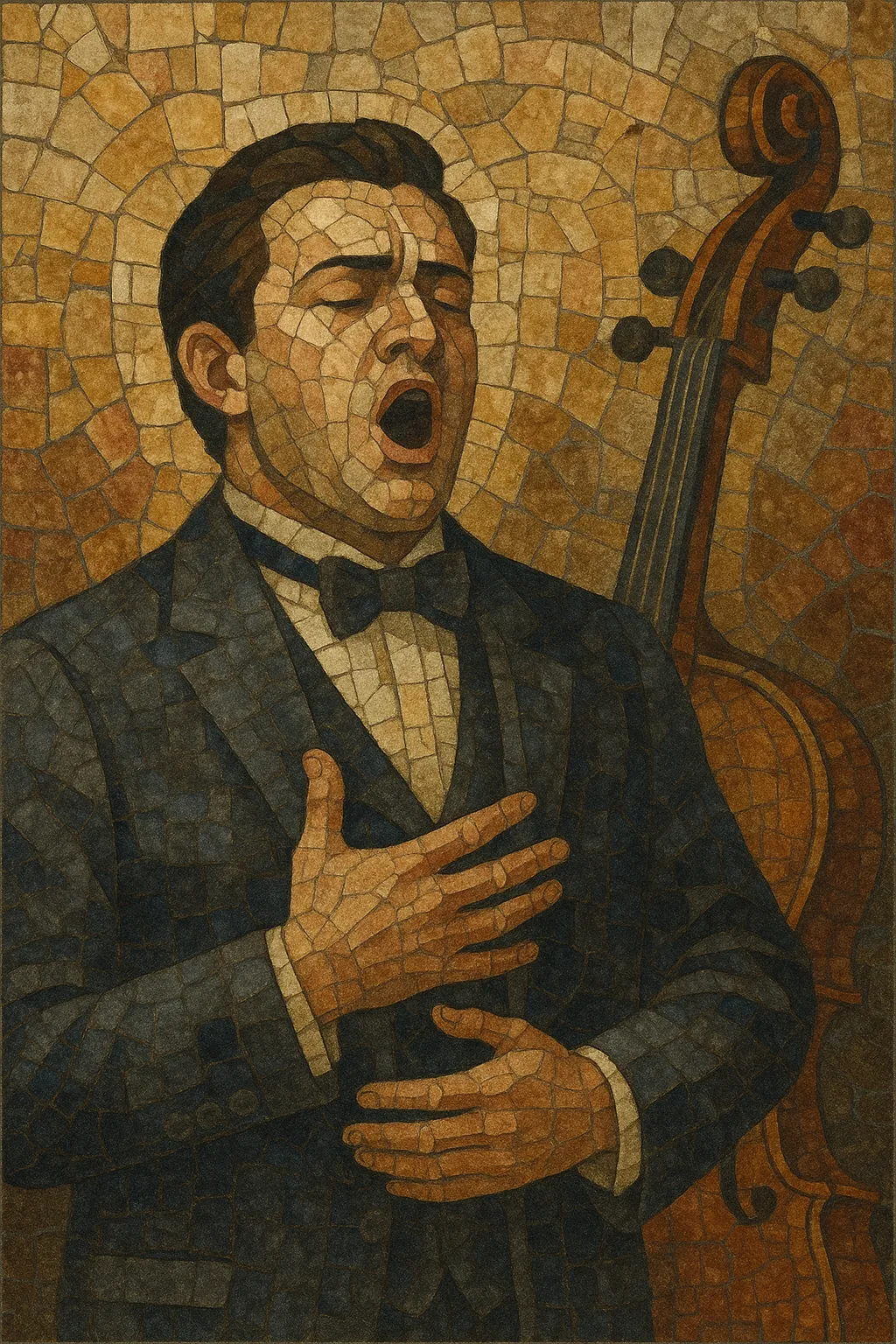
Classical baritone refers to the tradition of composing for and performing with the baritone male voice in Western classical music, spanning opera, art song (Lied), oratorio, and sacred repertoire.

The baritone sits between tenor and bass, typically ranging from A2 to F4 (with role- and singer-dependent extensions). Its timbre is prized for warmth, nobility, and dramatic weight, making it ideal for heroes, anti-heroes, fathers, kings, and complex psychological roles in opera, as well as for intimate poetic expression in recital.

The category solidified in the early 19th century with bel canto and Romantic opera, and has since developed into subtypes (lyric, Kavalierbariton, Verdi baritone, dramatic, and bass-baritone), each with distinct tessitura, color, and technical demands.

History

Origins (early 1800s)

While lower male voices had long existed in sacred and theatrical music, the codification of the baritone as a distinct operatic and concert category crystallized in the early 19th century Italy alongside bel canto. Composers began writing parts that sat clearly between tenor and bass, recognizing a unique timbral identity and tessitura for the "baritono".

Romantic Expansion

Mozart’s late roles (often cast for baritone or bass-baritone, e.g., Don Giovanni) foreshadowed the shift, but it was the Romantic era that fully embraced the voice. Rossini, Donizetti, and especially Verdi shaped the modern conception: the Verdi baritone (Rigoletto, Germont, Macbeth) demands a high-lying, ringing upper range, incisive declamation, and sustained legato. In the German sphere, Wagner’s works elevated the dramatic baritone/bass-baritone (e.g., The Dutchman, Wotan) with expansive orchestration and extended phrasing.

Lieder, Oratorio, and Concert Tradition

Parallel to opera, the baritone voice became central to Lied and song cycles (Schubert, Schumann, Brahms, Wolf, Mahler), prized for its narrative clarity and warmth. In sacred and concert music, baritones carried Evangelist/narrator roles, solo arias, and oratorio lines with rhetorical poise and expressive diction.

20th Century to Present

Recording technology and radio broadened the profile of legendary baritones, while modern pedagogy refined sub-classifications: lyric baritone (warm, flexible), Kavalierbariton (noble, elegant), Verdi baritone (brassy, high-placed), dramatic baritone (weighty, orchestral cut), and bass-baritone (darker extension downward). Contemporary practice spans historically informed performance, grand opera, recital stages, and crossover, with the baritone sound informing musical theatre and operatic pop aesthetics.

How to make a track in this genre

Vocal Range, Tessitura, and Keys
•   Write primarily between A2 and F4, with optional extensions (down to F2, up to G4/A4 depending on singer). •   Favor a comfortable tessitura rather than extremes; sustained high Fs suit Verdi-style writing, while lyric roles dwell slightly lower. •   Choose keys that keep climactic moments near, but not constantly on, the passaggio.
Line, Prosody, and Diction
•   Prioritize legato lines with clear vowel planning; consonants should articulate meaning without breaking the legato. •   Align musical stress to natural speech accents, especially in Italian, German, and French texts; use the International Phonetic Alphabet (IPA) to guide vowel tuning.
Orchestration and Accompaniment
•   Opera: ensure the baritone line can project over full orchestra; double with mellow instruments (clarinet, horn, cello) and avoid masking in the same register. •   Lieder/recital: piano should be a true partner, offering harmonic color, counter-melody, and text painting; leave room in mid-low registers for vocal clarity.
Style and Technique Cues
•   Bel canto fundamentals: even registration, smooth passaggio management, flexible messa di voce, and expressive portamento used tastefully. •   Verdi/dramatic style: incisive declamation, rhythmic bite, and brightened vowels for ring in the upper middle/upper range. •   German Romantic song: nuanced dynamics, chiaroscuro coloring, and meticulous text expression; respect strophic vs. through-composed forms.
Form, Harmony, and Rhythm
•   Use clear aria forms (cantabile–cabaletta or scena–aria) in opera; in song, shape through harmonic narrative and text-driven pacing. •   Harmonies: Romantic chromaticism supports emotive shading; cadences should support textual turns (questioning, resignation, resolve). •   Rhythms follow natural speech contour; recitative (secco or accompagnato) should propel drama and set up lyrical expansion.
Languages and Topics
•   Italian (opera), German (Lied/Wagner), French (opera mélodique, mélodie), English art song are common; select poetry or libretti that suit a noble, reflective, or authoritative persona.
Rehearsal and Notation
•   Mark breaths and phrase arches; indicate expressive devices (dolce, appassionato, parlando) sparingly but precisely. •   Provide tempo flexibility (rubato) and clear dynamic terracing to support vocal color changes.

Top tracks

Locked
Share your favorite track to unlock other users’ top tracks
Influenced by
Has influenced
Challenges
Digger Battle
Let's see who can find the best track in this genre
© 2025 Melodigging
Melodding was created as a tribute to Every Noise at Once, which inspired us to help curious minds keep digging into music's ever-evolving genres.
Buy me a coffee for Melodigging