Your digging level
Description
An oratorio is a large‑scale, multi‑movement work for voices and orchestra, typically on a sacred narrative subject, performed without staging, costumes, or scenery.
It combines solo recitatives and arias with powerful choruses and instrumental movements, using a dramatic arc similar to opera but presented as a concert work.
Languages and styles vary by era and region (Italian and Latin in early Roman oratorios, German for Lutheran works such as Bach’s, and English for Handel’s). While most are sacred, secular oratorios also exist.
Across the Baroque, Classical, Romantic, and modern eras, the oratorio evolved from intimate devotional storytelling to monumental public concert pieces, often intended for festivals and large choirs.
History
The oratorio arose in Rome in the early 1600s, connected to the devotional meetings at the Congregation of the Oratory founded by St. Philip Neri. Early narrative sacred music and laude were expanded into dramatic yet unstaged concert forms. Composers such as Giacomo Carissimi shaped the genre with expressive recitative‑aria writing and vivid choruses (e.g., Jephte), while in German lands Heinrich Schütz cultivated related narrative traditions (Historia) that paralleled oratorio aims.
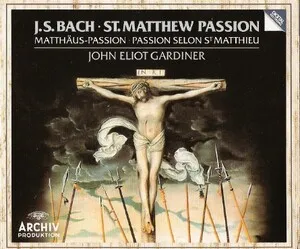
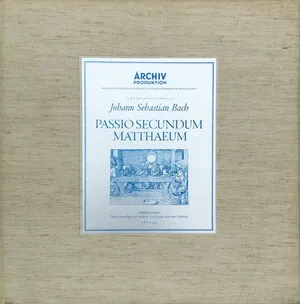
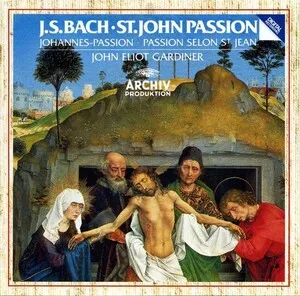
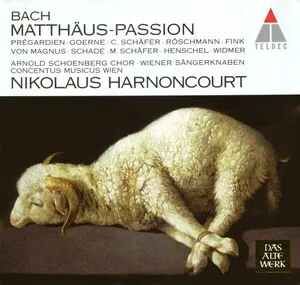
By the late Baroque, the genre flourished. George Frideric Handel’s English oratorios (Messiah, Israel in Egypt, Samson) established the public concert oratorio: grand choruses, memorable arias, and clear biblical narratives. In Lutheran Germany, Johann Sebastian Bach’s Passions and Christmas Oratorio applied oratorio scale and rhetoric to liturgical narratives, integrating chorales, recitative, and aria with learned counterpoint.
In the Classical era, Joseph Haydn elevated the oratorio to symphonic breadth and Enlightenment imagery in The Creation and The Seasons, blending transparent textures, pictorial orchestration, and monumental choral writing suitable for public concerts and subscription societies.
The 19th century saw renewed interest through Felix Mendelssohn (St. Paul, Elijah), whose works combined Baroque structural discipline with Romantic color. Hector Berlioz (L’enfance du Christ) expanded narrative and orchestral possibilities, while large choral festivals in Britain nurtured a sustained oratorio culture. Later, Edward Elgar’s The Dream of Gerontius and The Apostles brought late‑Romantic harmony and orchestration to the tradition.
Composers reimagined the genre’s scale and function: Arthur Honegger (Le roi David), Michael Tippett (A Child of Our Time), Igor Stravinsky (opera‑oratorio Oedipus Rex), and Ralph Vaughan Williams (Sancta Civitas) adapted oratorio rhetoric to modern idioms. In recent decades, John Adams (El Niño, The Gospel According to the Other Mary) and others have fused minimalism, polystylism, and contemporary texts, proving the oratorio’s continuing vitality as a concert‑dramatic form.