Your digging level
Description
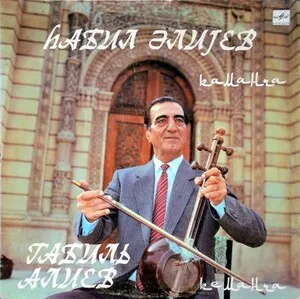
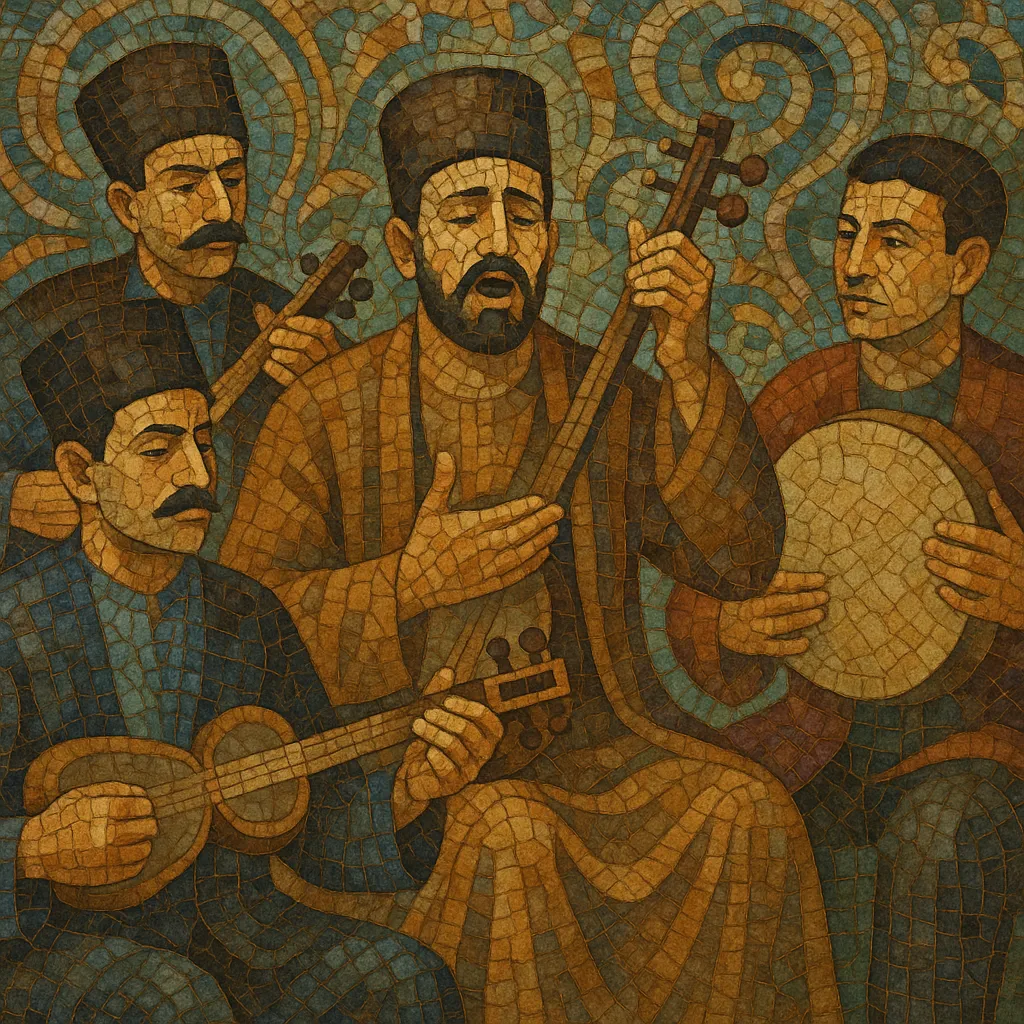
Azerbaijani Mugham is a highly improvisational, modal art music of Azerbaijan, performed by a lead vocalist (khananda) with small ensemble, most commonly tar (long‑necked lute), kamancha (spike fiddle), and a frame drum (ghaval) often held by the singer.
It is built on muğam modes such as Rast, Shur, Segah, Chahargah, Bayati‑Shiraz, Shushtar, and Humayun, each with characteristic scalar material, intonation, melodic pathways, and emotional coloring. Performances unfold as suites that move from free‑rhythmic, introspective exposition to sections governed by usul (rhythmic cycles), interweaving composed kernels with extensive vocal and instrumental improvisation.
Texts draw on classical Azerbaijani and Persian poetry rich in Sufi symbolism, love, longing, and philosophical reflection—binding the music to the themes of Azerbaijan’s history and literary heritage. The result is an intense, ornamented singing style that seeks catharsis through gradual modal development and expressive melisma.
History
Mugham emerges from the broader maqam/dastgah traditions of the Persianate and Turkic worlds, taking a distinct Azerbaijani form between the late medieval and early modern eras. As courtly and urban musical cultures flourished in Shirvan, Tabriz, Shusha, and Baku, local modal practice (muğam) crystallized into recognizable families of modes with codified melodic pathways (seyir) and affective profiles.
In the 19th century, the khananda tradition matured in urban centers—especially Shusha (often called the "Conservatory of the Caucasus"). Master singers refined the poetic repertoire and improvisational craft, accompanied by the reshaped Azerbaijani tar and the kamancha. Transmission took place through master‑apprentice lineages, consolidating performance practice and a shared canon of modes and sections.
As Western forms arrived, composers such as Uzeyir Hajibeyov fused mugham with opera—most famously in "Leyli and Majnun" (1908), inaugurating the "mugham opera" tradition. Radio and recording technology expanded audiences across the Caucasus and Middle East, while conservatories began to document modes, usul, and pedagogy.
Under Soviet cultural policy, mugham became both a researched folk‑classical art and a staged national emblem. Scholars notated modes and forms; state ensembles toured; and legendary khanandas gained recognition. In the 1960s–70s, pianist Vagif Mustafazadeh pioneered Jazz‑Mugham, fusing modal improvisation with jazz harmony and swing, inspiring later generations.
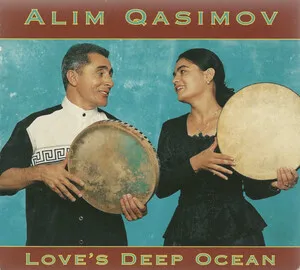
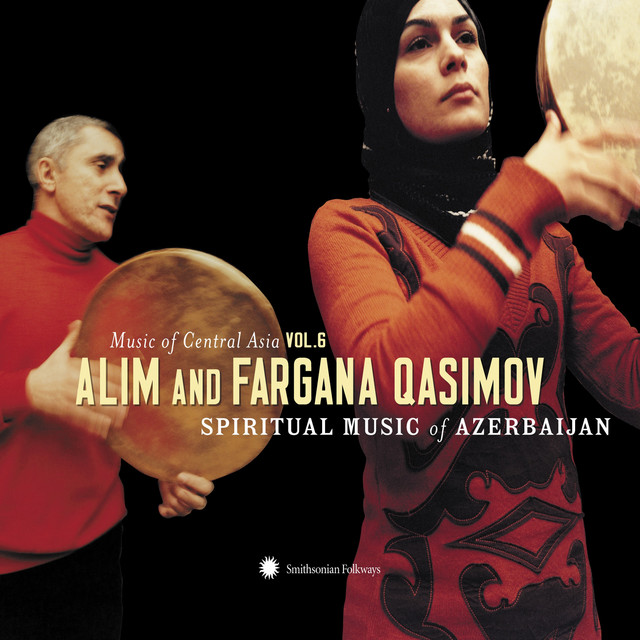
In 2003 Azerbaijani Mugham was proclaimed by UNESCO as a Masterpiece of the Oral and Intangible Heritage of Humanity (transferred in 2008 to the Representative List). World‑renowned performers like Alim Qasimov brought the style to global stages, while festivals and conservatories in Baku sustain teaching and research. Today, mugham thrives both in its classical trio format and in cross‑genre projects, remaining an intense vehicle for historical memory, poetic expression, and spiritual reflection.