Your digging level
Description
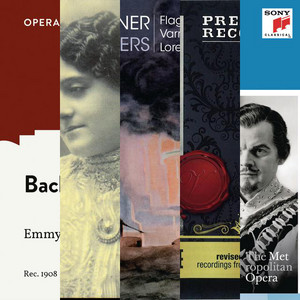
Vintage classical singing is a style category that centers on early 20th-century “classical” vocal performance as preserved on historical recordings.
It typically features a forward, ringing, highly projected tone designed to carry over an orchestra without amplification, with prominent vibrato, clear vowel shaping, and expressive rubato.
Repertoire most often comes from opera and operetta arias, art songs, and salon/recital pieces, and the sound is closely associated with pre-microphone and early-electrical recording aesthetics.
History
Vintage classical singing coalesced during the late acoustic recording era and the early electrical era, when star opera and recital singers were captured on discs. The constraints of recording and the demands of large opera houses encouraged a bright, focused tone, strong legato, and emphatic diction.
With improved electrical recording, major labels documented international singers with greater fidelity. Operatic excerpts, operetta numbers, and art songs circulated widely, establishing a recognizable performance norm: flexible tempo, sustained portamento, and dramatic declamation rooted in operatic tradition.
Singing techniques continued, but the rise of broadcast, film, and evolving pedagogical preferences gradually favored cleaner articulation and different vibrato norms in some circles. Meanwhile, collectors and reissues began to frame earlier recordings as a distinct “vintage” sound-world.
LP and later CD/streaming reissues, historical-performance scholarship, and specialist labels helped codify “vintage classical singing” as a recognizable listening category—less a new technique than a curated sonic and interpretive tradition linked to early recorded legacies.