Your digging level
Description
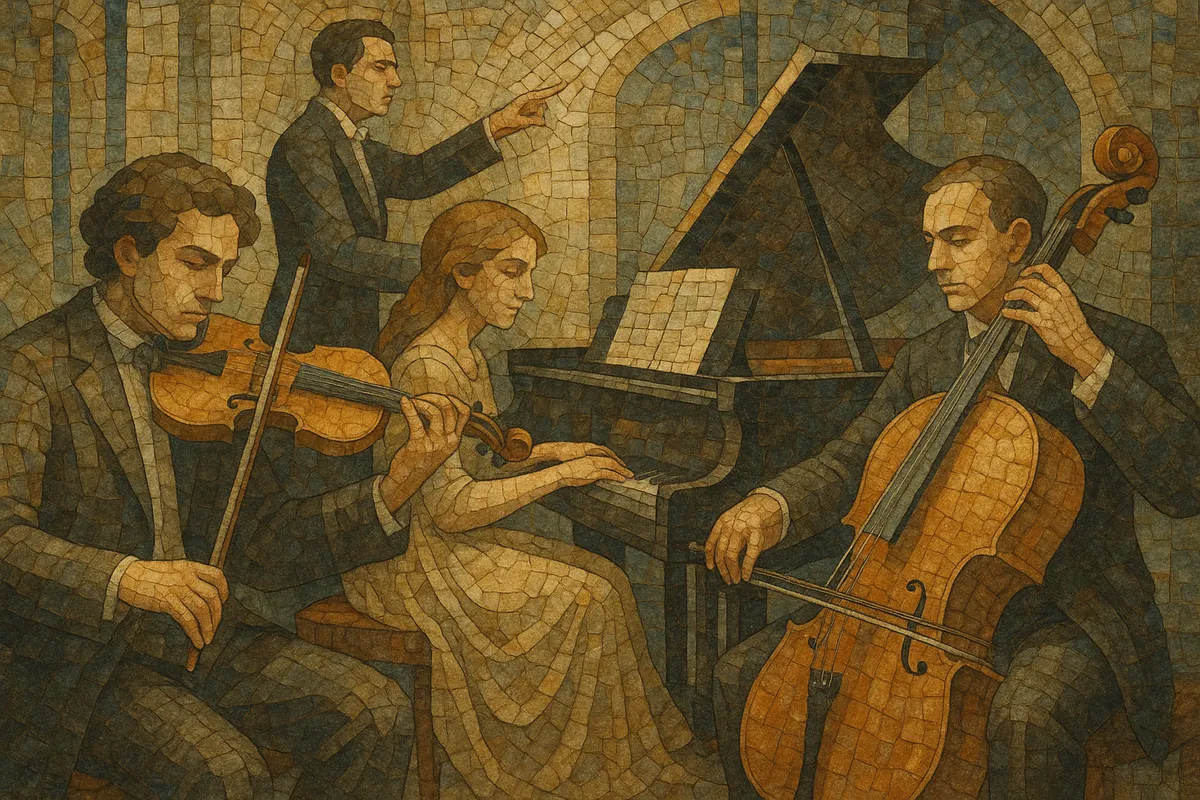
Classical performance refers to the interpretive tradition of presenting Western classical repertoire in concert and studio settings. Rather than defining a compositional style, it describes how ensembles and soloists realize written scores through technique, tone, phrasing, and stylistic choices across eras from Baroque to contemporary.
It centers on fidelity to the score and historically informed practice, while allowing space for interpretive nuance such as tempo flexibility, articulation, and dynamic shading. Typical forces include soloists, chamber groups, choirs, and orchestras performing in acoustically resonant venues or purpose-built studios, captured by production teams specialized in naturalistic sound.
History
Modern classical performance coalesced in the 1600s, especially in Italy and the Habsburg lands, as court chapels, opera houses, and civic ensembles professionalized music-making. Baroque virtuosi and the rise of the concerto and opera created distinct performer identities and public concert cultures. By the 1700s and early 1800s, concert life in cities like Vienna, London, and Paris standardized orchestral and chamber practices, seating layouts, and rehearsal routines.
The 1800s elevated the performer as an individual artist. Touring pianists, violinists, and singers popularized dramatic rubato, expanded dynamic ranges, and expressive tone production. Conductors emerged as central interpreters, shaping balance, tempi, and architecture across large ensembles.
From the early 20th century, shellac and vinyl recordings canonized interpretations and enabled an international listening public. Radio broadcasts and later high-fidelity stereo defined expectations for orchestral color and concert hall ambience. Postwar conservatories and competitions globalized classical performance, producing new generations of soloists and ensembles across Europe, the Americas, and Asia.
Late 20th-century historically informed performance revived period instruments and Baroque/Classical-era techniques, influencing mainstream orchestras and pedagogy. Today, classical performance spans period-practice ensembles, modern symphonies, chamber collectives, and crossover collaborations, with recording engineers and producers shaping a refined, realistic sound image.
Select forces appropriate to the repertoire and venue: solo recital, chamber group, choir, or full orchestra. Aim for acoustic balance and blend, seating and spacing that support clarity, and instrumentation consistent with the style period (e.g., gut strings and natural horns for Baroque, modern strings and full winds/brass for late Romantic and beyond).
Establish a clear tempo framework, then shape lines with tasteful flexibility. Use era-appropriate articulation: crisp, dance-derived gestures in Baroque; elegant legato and classical clarity in Classical-period works; broader cantabile and expressive rubato in Romantic repertoire. Coordinate articulation and bowing/phrasing across sections for unity.
Cultivate a focused core tone with controlled vibrato (sparingly in earlier music, more freely in Romantic works). Shape dynamics architecturally, reserving climaxes and allowing natural crescendos/decrescendos. Maintain transparent textures so inner voices and counterpoint remain audible.
Highlight harmonic tension and release through pacing and dynamic contour. Breathe with cadences, articulate phrases with clear upbeats and downbeats, and let formal landmarks (exposition, development, recapitulation) guide rhetoric. In chamber settings, listen for cueing and micro-adjust intonation to chords and leading tones.
Study primary sources and scholarly editions. Observe notational nuance (accents, slurs, ornaments, articulations) and apply stylistic conventions: Baroque ornamentation and basso continuo practice, Classical bowings, Romantic rubato and expressive phrasing, and modern precision for contemporary scores. If pursuing historically informed performance, align pitch standard, temperament, and instrument setup accordingly.
Choose a venue with supportive reverberation. Position main stereo arrays for a natural image, then add spot mics judiciously to preserve ensemble coherence. Prioritize dynamic headroom and room tone over heavy processing; classical performance favors realism and depth.