Your digging level
Description
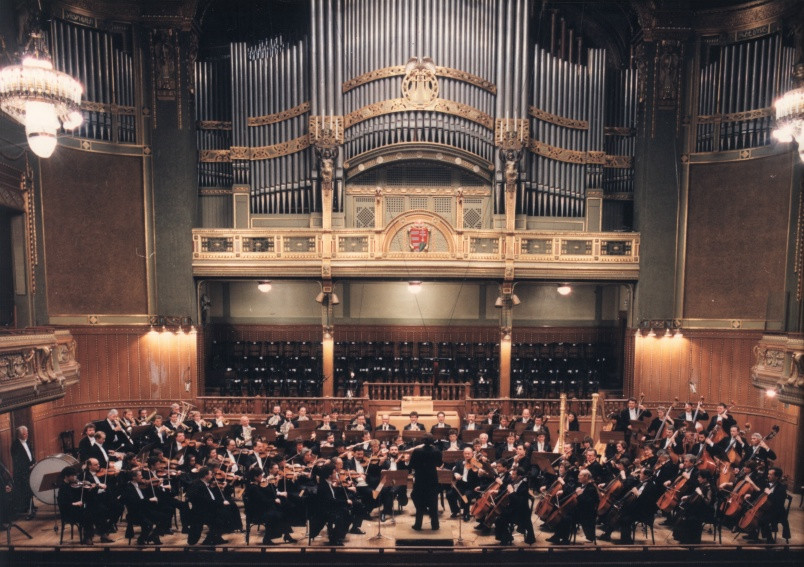
Hungarian classical performance refers to the characteristic performance-practice tradition that grew out of Hungary’s classical music culture and its deep dialogue with local folk idioms. It blends the rigor of European concert music with distinctive Hungarian elements such as parlando-rubato phrasing, sharply profiled dance rhythms (verbunkos and csárdás), and a highly expressive, speech-like tone.
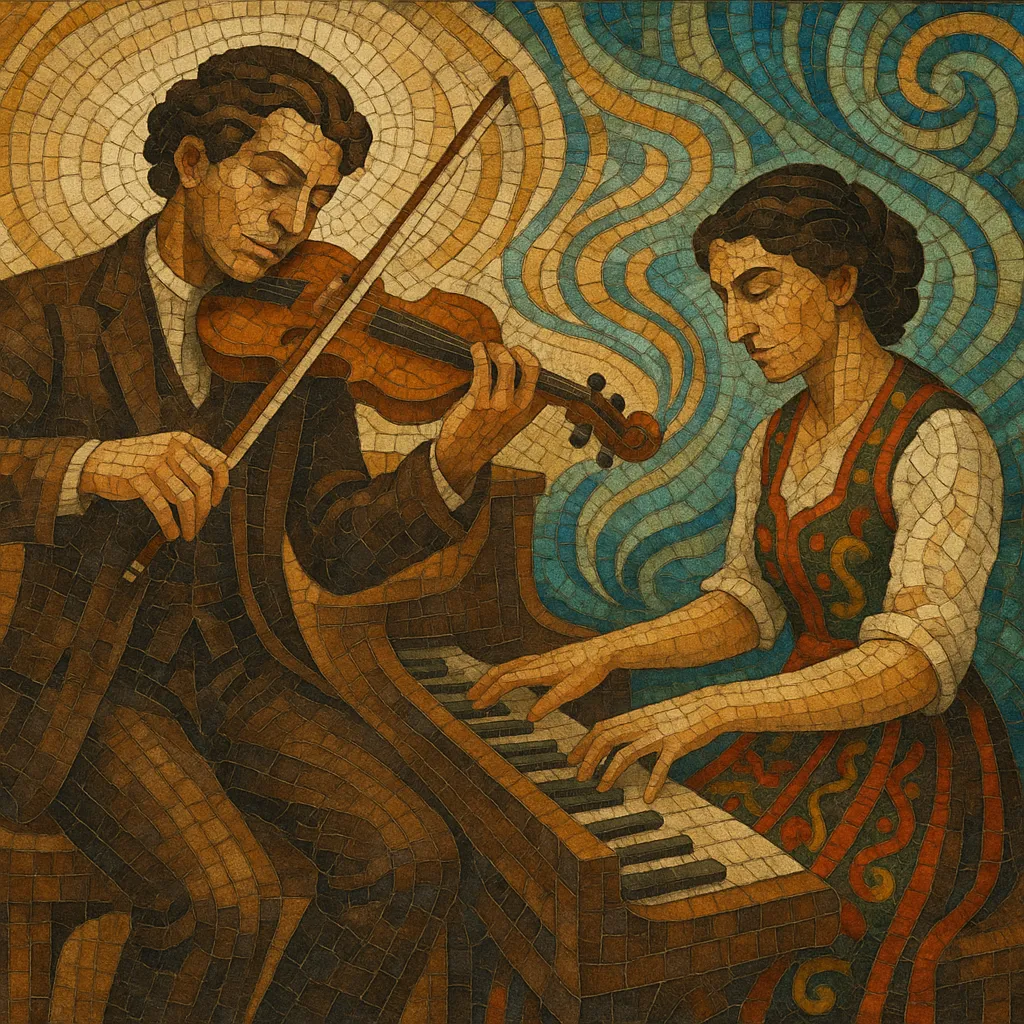
In this style, string playing often favors a vibrant, singing sound with flexible tempo and incisive articulation; pianism tends toward brilliant passagework, rhetorical rubato, and idiomatic ‘Gypsy scale’ colorings. Conductors and ensembles emphasize clarity of rhythm, tight ensemble, and a potent sense of drama, all while allowing folkloric inflection—ornaments, snaps, and elastic timing—to shape the line.
History
Hungarian classical performance coalesced in the 19th century as national currents met the broader European concert tradition. The urbane salon and concert life of Pest-Buda embraced verbunkos idioms and csárdás rhythms, which were stylized by composers and performers. Franz Liszt popularized a virtuosic Hungarian rhetoric on the piano and in his Hungarian Rhapsodies—crystallizing gestures like lassú–friss contrasts, parlando-rubato, and ornamented, speech-like melody.
In the early 20th century, Béla Bartók and Zoltán Kodály documented hundreds of authentic folk songs, then reimagined their modes, rhythms, and forms inside the concert hall. Their work—joined by figures such as Ernő Dohnányi—shaped a performance ethos that prized rhythmic vitality, modal color, and structural clarity. Hungarian orchestras and conservatories fostered a distinctive approach: incisive string articulation, bold dynamics, and flexible, text-driven phrasing (parlando).
After World War II, Hungarian-born conductors and soloists (e.g., Georg Solti, Ferenc/Annie Fischer, later András Schiff and Zoltán Kocsis) exported the tradition worldwide. The Budapest Festival Orchestra and other ensembles further codified a style balancing precision with rhetorical freedom. Late-20th-century modernists like György Ligeti and György Kurtág extended the language while retaining Hungarian performance sensibilities—speech-rhythm, timbral focus, and intensity of expression—within new sonic worlds.
The tradition endures in conservatory training, period-instrument projects of Hungarian repertoire, and globally acclaimed orchestras and soloists. Performers continue to blend scholarly awareness of folk sources with modern concert technique and international standards of ensemble discipline.

Top albums