Your digging level

For this genre
0/8
🏆
Sign in, then listen to this genre to level up

Description

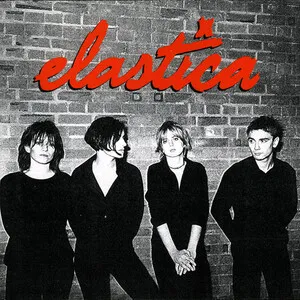
New wave of new wave (often shortened to NWONW) was a short-lived UK alternative-rock revival in the early 1990s.

It reactivated late-1970s/early-1980s post-punk, punk, and new wave ideas—tight, wiry guitar parts, punchy rhythms, and catchy but acerbic melodies—often delivered with a knowingly retro, pop-aware sensibility.

The style was closely associated with British music press narratives around 1993–1994 and was frequently portrayed (and sometimes dismissed) as a media-led movement, especially once Britpop became the dominant mainstream alternative-rock story in the UK.


Sources: Spotify, Wikipedia, Discogs, Rate Your Music, MusicBrainz, and other online sources

History

Roots and context

New wave of new wave emerged in the United Kingdom in the early 1990s as part of the broader alternative-rock ecosystem.

It drew heavily on late-1970s punk and post-punk/new wave songwriting discipline: concise structures, prominent rhythmic drive, and sharp melodic hooks.

Early 1990s flashpoint (1993–1994)

Around 1993–1994, the UK music press began grouping a cluster of bands under the label “new wave of new wave.”

The tag emphasized a return to angular guitars, brisk tempos, and pop-smart vocal lines reminiscent of earlier UK/US new wave and punk acts.

Media narrative and decline

The movement was short-lived and is often described as a press construct rather than a stable, long-term scene.

As Britpop took over the UK mainstream narrative, many NWONW-associated bands were either rebranded, absorbed into broader alternative rock, or simply lost attention.

Legacy

Even with its brief lifespan, NWONW helped keep post-punk/new wave vocabulary active in UK guitar music and provided a template for later indie/post-punk revivals built on tight, hook-forward arrangements.

How to make a track in this genre

Core instrumentation
•   Guitars: Use bright, clean-to-crunch tones with tight palm-muting and sharp, staccato chord hits. •   Bass: Keep the bass line melodic and forward in the mix; lock tightly with the kick drum. •   Drums: Favor snappy snare and dry, punchy room sound; play with energetic, economical patterns. •   Vocals: Aim for direct, slightly sardonic delivery; hooks matter, but avoid overly ornate singing.
Rhythm and groove
•   Write around driving, mid-to-up tempos. •   Use straight 4/4 most of the time, with occasional rhythmic stops, turnarounds, or short breaks to create tension. •   Let the bass and drums define the momentum, while guitars provide percussive texture.
Harmony and melody
•   Keep chord progressions simple and functional (often diatonic), but use angular riffs and unexpected chord voicings to add bite. •   Build choruses around clean, memorable melodic shapes rather than big, sustained “arena” chords. •   Consider short lead motifs that answer the vocal line (a call-and-response feel).
Song structure
•   Prefer compact forms: intro → verse → chorus → verse → chorus → short bridge → final chorus. •   Keep bridges brief; a single new chord sequence, a rhythmic half-time switch, or a guitar/bass hook variation is often enough.
Lyrics and themes
•   Write in a wry, observational tone: urban life, relationships, boredom, media culture, and everyday friction. •   Use concise lines and memorable phrases; avoid overly poetic abstraction.
Production choices
•   Mix with clarity and snap: guitars crisp, bass defined, drums punchy. •   Avoid overly lush reverb; a drier, immediate sound supports the style’s urgency. •   Keep arrangements lean; add texture via double-tracked guitars or short synth accents rather than dense layering.

Top tracks

Locked
Share your favorite track to unlock other users’ top tracks
Influenced by
Has influenced
Challenges
Digger Battle
Let's see who can find the best track in this genre
© 2026 Melodigging
Melodding was created as a tribute to Every Noise at Once, which inspired us to help curious minds keep digging into music's ever-evolving genres.
Buy me a coffee for Melodigging