Your digging level

For this genre
0/8
🏆
Sign in, then listen to this genre to level up

Description

Metal Balear is the umbrella name for the metal scene that took root across Spain’s Balearic Islands (Mallorca, Menorca, Ibiza, Formentera).

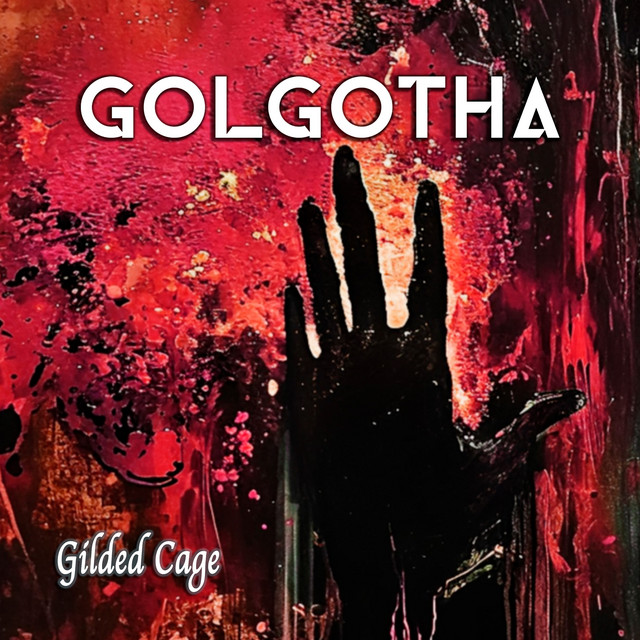
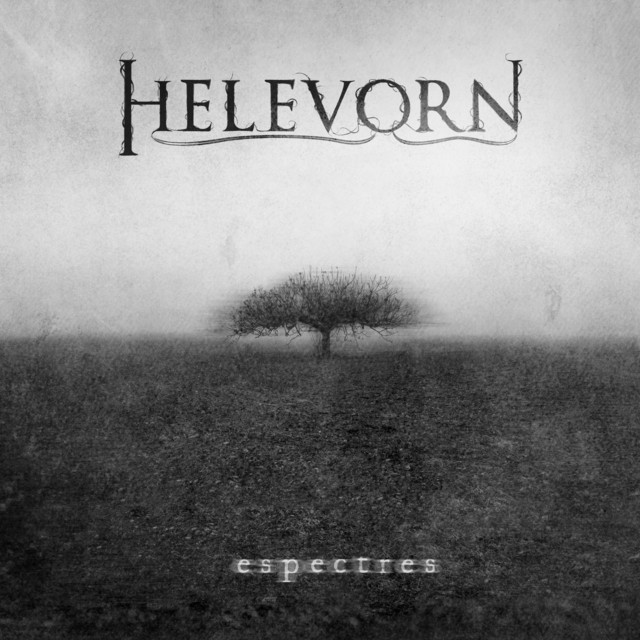
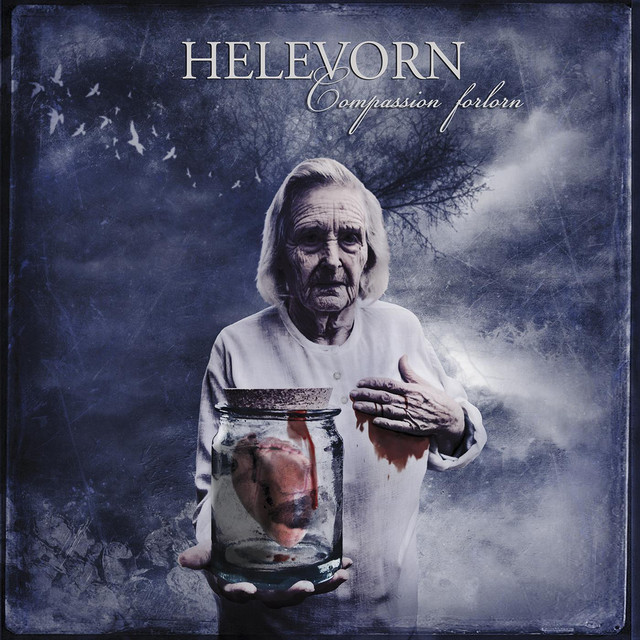
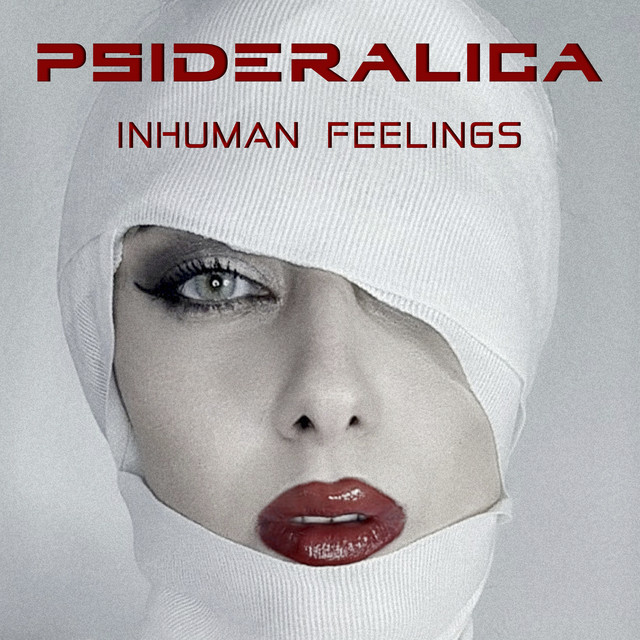
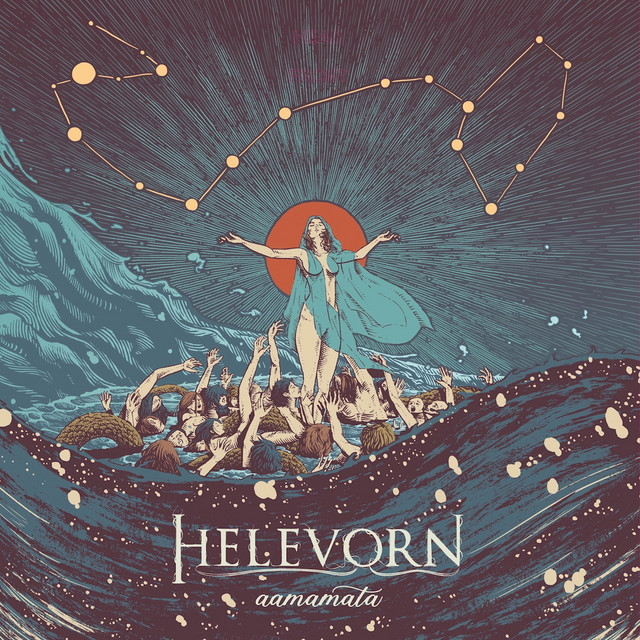
Its sound is eclectic rather than a single codified style: veterans like Golgotha and Helevorn anchor a melancholic doom/death–gothic current; Trallery represents a modern thrash-to-progressive groove branch; Marasme pushes a post‑metal/blackened edge; Eveth fly the heavy/power banner; Psideralica add industrial/gothic electronics; and newer acts such as Æolian bring Scandinavian‑tinged melodic death motifs and environmental themes. Catalan- and Spanish‑language lyrics are common (e.g., Marasme’s albums entirely in Catalan), and the scene revolves around island venues (notably Es Gremi in Palma) and recurring events like Full Metal Holiday that bring international metal to Mallorca. (metal-archives.com)


Sources: Spotify, Wikipedia, Discogs, Rate Your Music, MusicBrainz, and other online sources

History

Origins (1980s)
•   The first identifiable heavy-metal activity in the islands dates to the early–mid 1980s. Virus (founded in 1981, Palma) and Drakkar (whose 1985 single is widely cited as the first heavy record from Mallorca) are documented pioneers of the local scene. Their participation in Palma’s Pop‑Rock contests and the press obituaries for Virus guitarist Joan Gayà place heavy metal squarely in the Balearic underground by this decade. (ultimahora.es)
Consolidation (1990s)
•   The 1990s see the emergence of longer‑lived, internationally‑tracked bands. Golgotha (formed 1992, Palma) established a melodic doom/death identity that became a reference point for later Balearic acts. (metal-archives.com)
2000s expansion
•   Helevorn (formed 1999, Palma) consolidated a gothic/doom aesthetics with multiple albums and European activity, marking a second wave of Balearic metal visibility. Local media and archives trace their trajectory through the 2000s and 2010s. (metal-archives.com)
2010s diversification
•   The 2010s diversify the palette: Trallery evolves from thrash to progressive/groove‑death; Eveth strengthens heavy/power metal in Spanish; and Psideralica projects a Mallorcan industrial/gothic blend on national festival stages. Production hubs such as Palma’s studios and engineers like Miquel À. Riutort “Mega” (credited on releases by Helevorn, Golgotha, Trallery, Eveth) underpin a professionalized local infrastructure. (metal-archives.com)
2010s–2020s: festivals, venues, and the post‑metal current
•   International tourism‑facing festivals, notably Full Metal Holiday (since 2018) hosted in Mallorca, help connect island bands and audiences with global headliners each October. Es Gremi in Palma functions as a key stage for local releases and tours. In parallel, Marasme’s post‑metal/blackened sludge thread (2008–) adds a distinct Catalan‑language, avant‑leaning voice, while Æolian bring melodic death with environmental themes. (full-metal-holiday.com)
Today
•   The term “Metal Balear” thus denotes a geographically rooted, stylistically plural scene that spans doom/death, thrash/prog, power/heavy, industrial/gothic, melodeath and post‑metal, expressed in both Catalan and Spanish and sustained by a network of island labels, studios, venues and festivals. (metal-archives.com)

How to make a track in this genre

Choose a strand (the scene is multi‑stylistic)
•   Doom/death–gothic path (Golgotha, Helevorn): low tunings (D/C standard), slow–mid tempos (60–100 BPM), minor‑mode progressions, extended clean‑to‑growl vocal interplay, and long melodic leads drenched in reverb/chorus. Lyric themes: solitude, decay, memory. (metal-archives.com) •   Thrash/progressive groove path (Trallery): tighter palm‑mutes, down‑picking, syncopated chugs, meter shifts; blend classic Bay‑Area vocabulary with modern groove and occasional death‑metal phrasing. (metal-archives.com) •   Post‑metal/blackened sludge path (Marasme): slow‑burn song forms (6–8 minutes), textural guitars (octaves, tremolo, drones), dynamic arcs from hush to blast‑beats; consider Catalan lyrics to echo local practice. (doomed-nation.com) •   Heavy/power path (Eveth): twin‑guitar harmonies, brisk tempos (130–160 BPM), anthemic Spanish‑language choruses, and clean, soaring vocals; sprinkle neoclassical or prog touches sparingly. (mallorcamusicmagazine.com) •   Industrial/gothic path (Psideralica): layer distorted guitars with programmed beats, synth arps and dark pop hooks; alternate sultry cleans with aggressive belts; keep arrangements dance‑aware without losing weight. (psideralica.com)
Production & scene specifics
•   Guitars: high‑gain amps (5150/Rectifier families) with tight low‑end; pair with atmospheric pedals (reverb, delay) for Balearic doom/post textures. •   Drums: natural room ambience works well (island studios capture roomy kits); trigger selectively for thrash/melodeath tightness. •   Vocals & language: both Catalan and Spanish are authentic options—Marasme’s recent work is fully in Catalan; many heavy/power and thrash acts use Spanish. (ultimahora.es) •   Workflow: local producers/engineers (e.g., Miquel À. Riutort “Mega”) have shaped many Balearic releases; study their discographies for sonics and session practices. (metal-archives.com) •   Community: Es Gremi serves as a proving ground for releases; festivals like Full Metal Holiday offer networking and stagecraft cues—plan sets that translate to club stages and outdoor resort‑style festivals alike. (esgremi.com)

Top tracks

Locked
Share your favorite track to unlock other users’ top tracks
Influenced by
Has influenced
No genres found
Challenges
Digger Battle
Let's see who can find the best track in this genre
© 2026 Melodigging
Melodding was created as a tribute to Every Noise at Once, which inspired us to help curious minds keep digging into music's ever-evolving genres.
Buy me a coffee for Melodigging