Your digging level

For this genre
0/8
🏆
Sign in, then listen to this genre to level up

Description

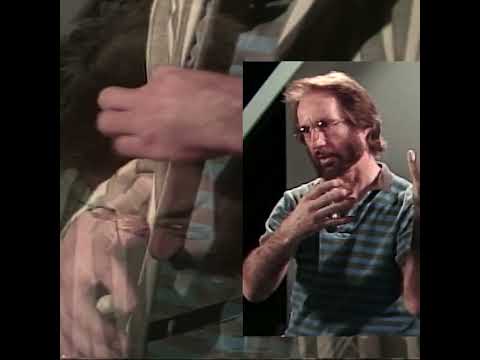
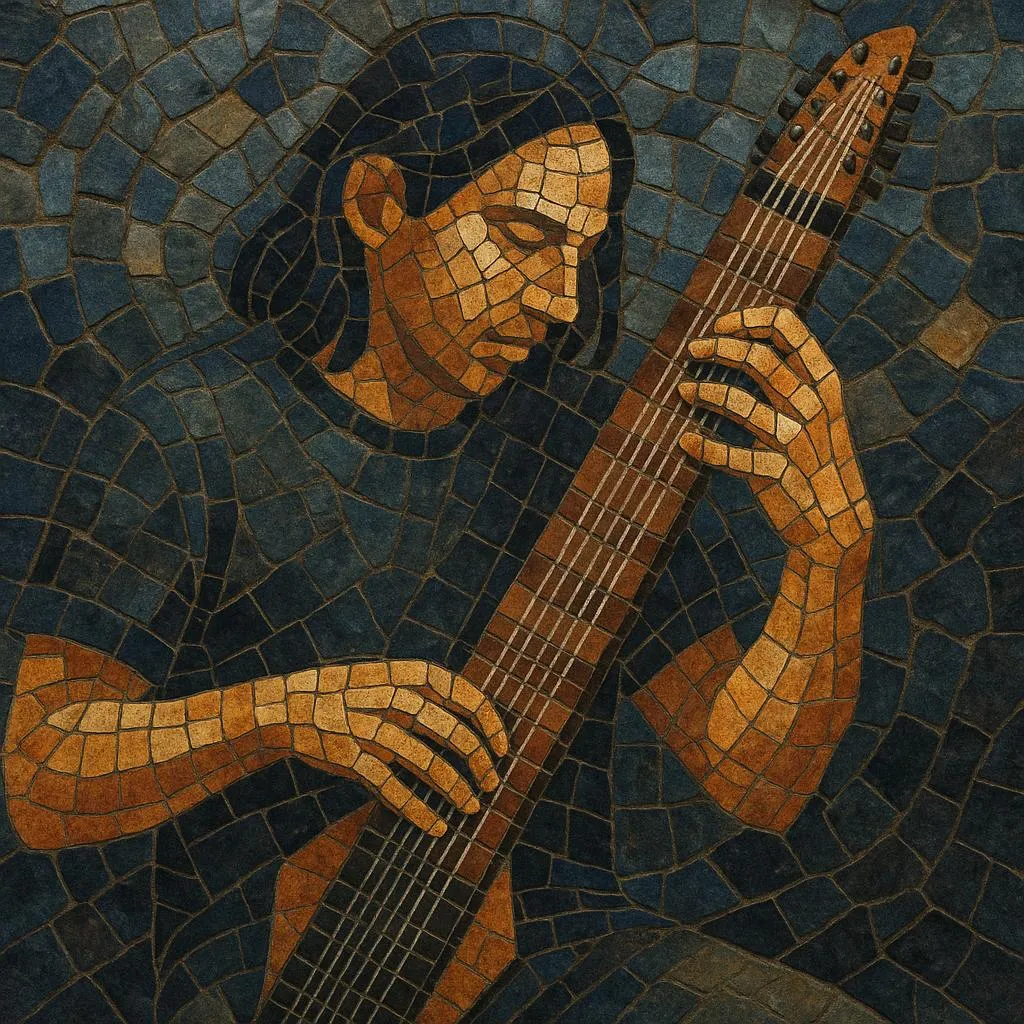
Chapman Stick is an instrument-centered genre and performance practice built around the Chapman Stick, a 10‑ or 12‑string touch-style instrument invented by Emmett Chapman in the early 1970s. Music in this genre exploits the instrument’s two-handed tapping technique, allowing simultaneous bass lines, chords, and melodies—much like a pianist’s left and right hands on one fretboard.

The style spans solo recital pieces, ambient/new age soundscapes, jazz and jazz-fusion explorations, and progressive rock arrangements. Typical textures include contrapuntal independence, ostinatos in the bass side, harmonized melodies on the melody side, and liberal use of effects (reverb, delay, looping) to create lush, spacious sound-fields. While often instrumental, some artists incorporate vocals or ensemble contexts, with the Stick covering both bass and harmonic roles.


Sources: Spotify, Wikipedia, Discogs, RYM, MB, user feedback and other online sources

History

Origins (1970s)
•   The Chapman Stick was created by American guitarist Emmett Chapman (patented in 1974). Chapman formalized a two-handed, parallel tapping approach that turned the fretboard into a piano-like surface, with independent lines played by each hand. Early adopters presented the instrument in jazz clubs and progressive rock settings, emphasizing polyphony and extended harmonic vocabulary.
Expansion and Visibility (1980s–1990s)
•   The instrument gained broader recognition through progressive rock and jazz-fusion, where its ability to cover bass, chordal comping, and melody made it a novel centerpiece. Players in touring bands and studio sessions showcased the Stick’s range—from percussive bass ostinati to silky chord voicings and lyrical leads—fueling a small but devoted global community.
Diversification and Pedagogy (2000s)
•   Online forums, method books, clinics, and festivals accelerated technique-sharing. Builders introduced additional models (e.g., 12-string variants, alternate tunings), while artists explored ambient/new age applications with looping, as well as intricate chamber-like pieces that highlighted the instrument’s pianistic independence.
Contemporary Practice (2010s–present)
•   Chapman Stick music sits at the intersection of solo virtuoso performance, progressive idioms, and textural ambient work. The repertoire now ranges from arrangements of classical and folk pieces to original compositions in jazz fusion, prog, and cinematic ambient styles. The instrument continues to inspire touch-style techniques across related instruments (e.g., Warr guitar) and to appear in both studio productions and live looping contexts.

How to make a track in this genre

Instruments, Setup, and Tuning
•   Use a 10- or 12-string Chapman Stick with stereo pickups: bass strings routed to one channel, melody strings to another. Classic tunings pair ascending fourths on the melody side with descending fifths on the bass side, creating wide intervallic reach and clear separation of roles. •   Employ clean amplification and stereo effects; a compressor helps even tapping dynamics. Pedalboard staples include reverb, delay, chorus, and a looper.
Technique and Texture
•   Two-handed tapping: assign the bass hand to groove/ostinato (often in steady eighths or syncopated patterns) and the melody hand to chords, arpeggios, or lead lines. Work toward hand independence (polyrhythms like 3:2, 4:3, and layered subdivisions). •   Exploit piano-like voicings: spread triads or extended tertian chords (9ths, 11ths, 13ths) across both sides. Use contrary motion lines, inner moving voices, and voice leading to maintain clarity.
Rhythm and Harmony
•   Rhythm: mix steady ostinati with syncopations, ghosted taps, and percussive dead notes to add groove. In fusion/prog contexts, explore odd meters (5/4, 7/8, 9/8) and metric modulation. •   Harmony: integrate modal vamps (Dorian, Lydian, Phrygian dominant), quartal/quintal stacks for modern color, and functional progressions with extended tensions. Bass pedal points under shifting chords are effective.
Form, Orchestration, and Effects
•   Forms often alternate sections that highlight groove, chord-melody, and solo development; interludes can feature ambient loops or harmonics. In ensemble settings, the Stick can cover bass + keys-like textures, freeing other instruments. •   Sound design: employ layered delays for cascading arpeggios, shimmer or modulated reverbs for ambient pads, and subtle overdrive on the melody side for lead presence.
Practice Strategies
•   Hands-separate practice, then gradual integration with a metronome. Build independence with contrapuntal etudes and ostinato-plus-melody drills. Record and loop bass foundations to refine melodic phrasing over stable grooves.

Top tracks

Locked
Share your favorite track to unlock other users’ top tracks

Upcoming concerts

in this genre
Influenced by
Has influenced

Download our mobile app

Get the Melodigging app and start digging for new genres on the go
© 2026 Melodigging
Melodding was created as a tribute to Every Noise at Once, which inspired us to help curious minds keep digging into music's ever-evolving genres.
Buy me a coffee for Melodigging