Your digging level
Description
Rock in Opposition (RIO) is a late‑1970s movement of progressive and experimental rock groups who united in explicit opposition to a commercial music industry that refused to recognize or support their music.
Rather than a strict musical style, RIO is a banner and aesthetic: fiercely independent production; complex, often dissonant composition; chamber‑like instrumentation; left‑leaning, critical or satirical politics; and a commitment to avant‑garde techniques imported from modern classical music, free improvisation, and radical jazz.
The sound typically blends rock rhythm sections with winds and strings (e.g., bassoon, clarinet, violin), intricate counterpoint, odd meters, abrupt contrasts, and through‑composed forms that defy verse–chorus conventions.
History
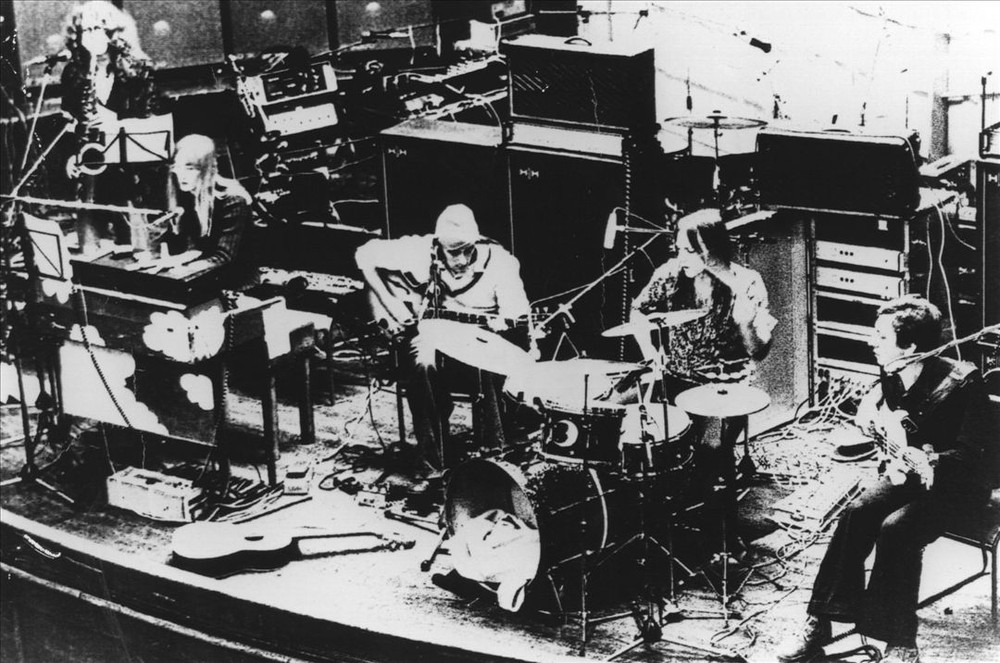
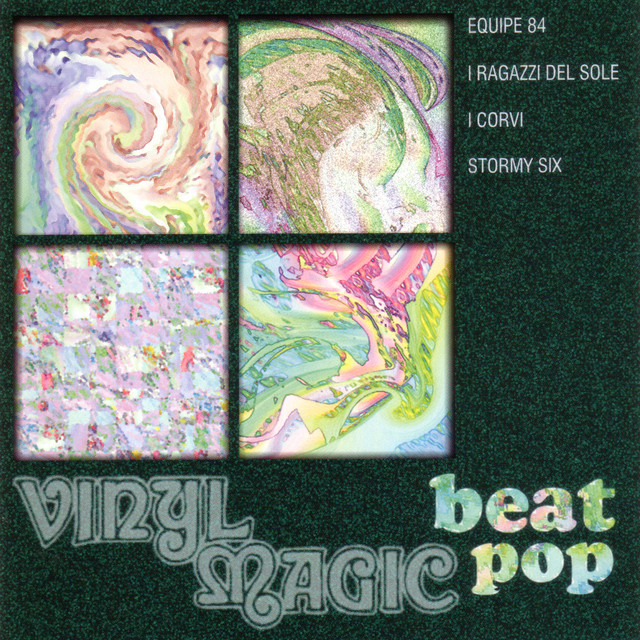
Rock in Opposition (RIO) was initiated by the English avant‑prog group Henry Cow. In March 1978 they invited four like‑minded mainland European bands to London for a festival explicitly titled “Rock in Opposition”: Etron Fou Leloublan (France), Samla Mammas Manna (Sweden), Univers Zero (Belgium), and Stormy Six (Italy), alongside Henry Cow. The event framed a collective response to an industry that deemed their music “unmarketable,” emphasizing international solidarity, political commitment, and artistic autonomy.
Following the London festival, RIO operated as a loose, international cooperative dedicated to mutual promotion, touring exchanges, and fair infrastructure. Members and close affiliates built alternative circuits—venues, mail‑order, and independent labels (notably Chris Cutler’s Recommended Records, founded in 1978)—to bypass major‑label gatekeeping. Musically, RIO coalesced around complex, often through‑composed works, drawing heavily from modernist classical idioms, free improvisation, and chamber instrumentation while retaining a rock core.
As a formal organization, RIO was short‑lived: its collective activity dwindled by the end of 1980, though many bands continued independently. The RIO idea, however, became a lasting descriptor for a lineage of independent, experimental, politically aware progressive rock. From the 1990s onward, numerous groups worldwide cited RIO aesthetics. Starting in 2007, dedicated RIO festival reunions in France and beyond revived and celebrated the movement, hosting both original bands and new generations that inherited its ethos.
RIO’s importance is outsized relative to its brief organizational life: it modeled a self‑reliant network for experimental rock; normalized the fusion of rock rhythm with chamber instrumentation and modernist techniques; and provided a vocabulary—artistic and political—for progressive music operating outside commercial constraints.

%2C%20Cover%20art.webp)