Your digging level
Description
The Canterbury scene is a branch of late‑1960s British progressive rock whose musicians clustered around the city of Canterbury in England. It blends psychedelic rock’s exploratory spirit with the harmonic language and improvisational freedom of modern jazz, favoring sophisticated song forms, whimsical English wit, and a warm, organ‑rich timbre.
Compared with heavier strands of prog, Canterbury music tends to be lighter in touch, melodically playful, and harmonically adventurous, often moving between odd meters and swung grooves, extended jazz chords, and conversational ensemble interplay. Vocals and lyrics are frequently surreal, self‑aware, and gently humorous, while the arrangements pivot between tightly composed passages and open improvisation.
History
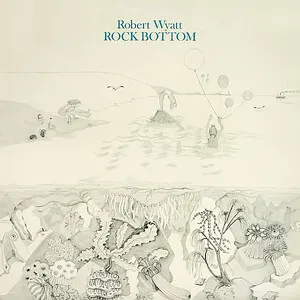
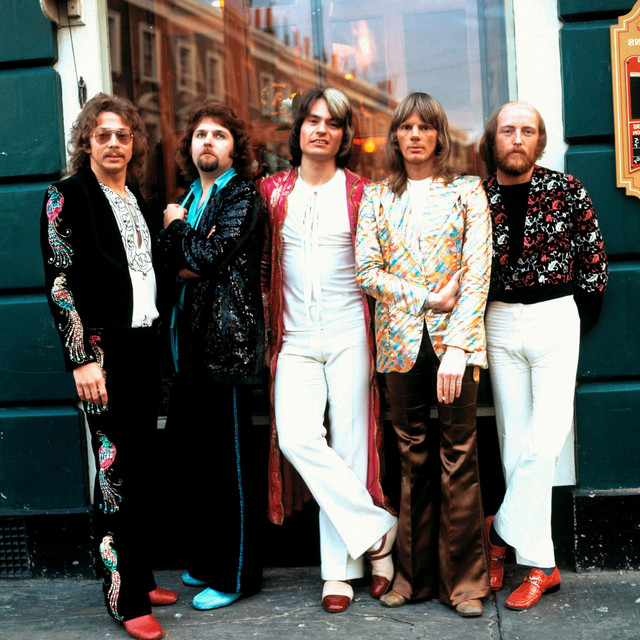
The Canterbury scene grew from a tight network of musicians in and around Canterbury, Kent. The Wilde Flowers (with members including Robert Wyatt, Kevin Ayers, Hugh Hopper, and Richard Sinclair) served as a crucible, spawning Soft Machine and Caravan. These groups fused psychedelic rock’s exploratory mindset with jazz harmony, modal writing, and extended improvisation, establishing the scene’s characteristic mix of whimsy and rigor.
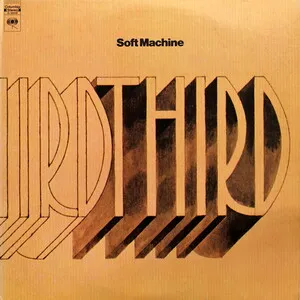
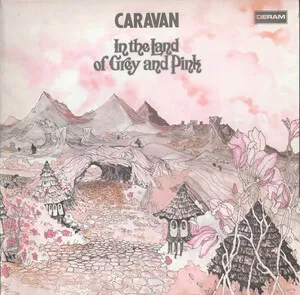
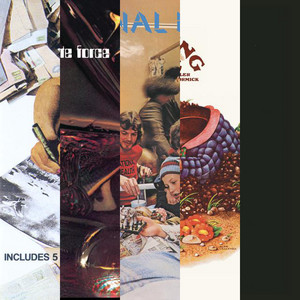
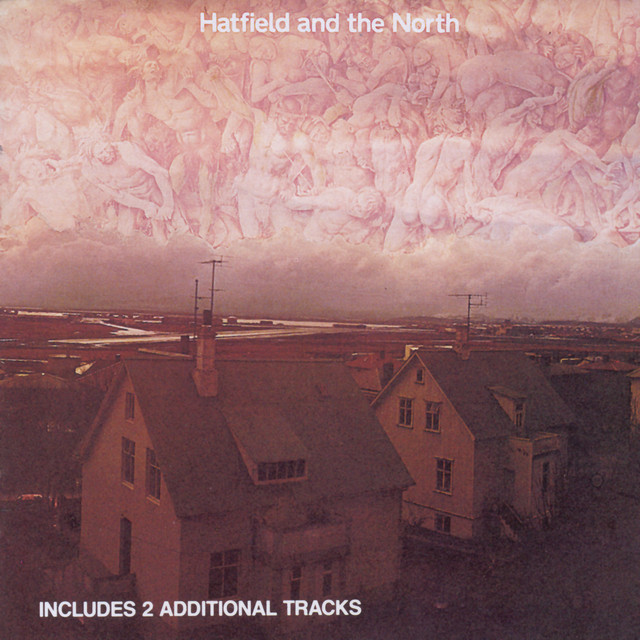
Soft Machine’s evolution from song‑based psychedelia to long‑form jazz‑rock (notably on Third) helped define the scene’s progressive, keyboard‑ and woodwind‑driven sound. Caravan balanced melodic songwriting with intricate suites (e.g., In the Land of Grey and Pink). A second wave—Egg, Hatfield and the North, National Health, Gilgamesh, Matching Mole, and related projects—deepened the music’s rhythmic complexity, contrapuntal writing, and interplay between composed sections and improvisation.
As musicians circulated among bands (and into scenes like Rock in Opposition), Canterbury ideas influenced avant‑prog, European jazz‑fusion, and later experimental rock. While the original cluster waned by the late 1970s, periodic revivals and homages continued, and a "neo‑Canterbury" current emerged, preserving the airy textures, organ/Rhodes timbres, and humorous, literate sensibility. The scene’s emphasis on subtle virtuosic ensemble playing and jazz‑inflected harmony continues to echo in math rock, post‑rock, and select strands of modern prog.
Favor warm, mid‑gain textures anchored by Hammond/Lowrey/Farfisa organs, Fender Rhodes or Wurlitzer electric piano, and clean or mildly fuzzed guitar. Include bass guitar with a rounded tone (often semi‑melodic or walking) and articulate jazz‑leaning drums. Add reeds (saxophone, flute) for color and solos, and occasional synths for pads and leads.
Use extended jazz harmonies—maj7, 9ths, 13ths, altered dominants, quartal voicings—and modal centers that drift via pivot chords and chromatic side‑steps. Write singable lead melodies with playful intervals, then weave in counter‑melodies between keys, bass, and woodwinds. Employ voice‑leading to smoothly connect complex chords.
Alternate between swung grooves and straight feels; explore odd meters (e.g., 5/4, 7/8, 11/8) and frequent metric modulations. Structure pieces as multi‑part suites that balance tightly composed sections with open improvisation. Use recurring motifs and thematic development to unify long forms.
Aim for literate, gently surreal, or whimsical lyrics—intelligent yet light‑hearted. Keep vocals understated and conversational. Humor and wordplay should complement, not overshadow, the musical intricacy.
Arrange for conversational interplay rather than spotlight virtuosity alone: trade lines between keys, guitar, and reeds; let bass and drums comment rhythmically. Mix with a warm, roomy aesthetic—keys forward, drums natural, and careful stereo placement—to preserve clarity in dense harmonies.