Your digging level

For this genre
0/8
🏆
Sign in, then listen to this genre to level up

Description

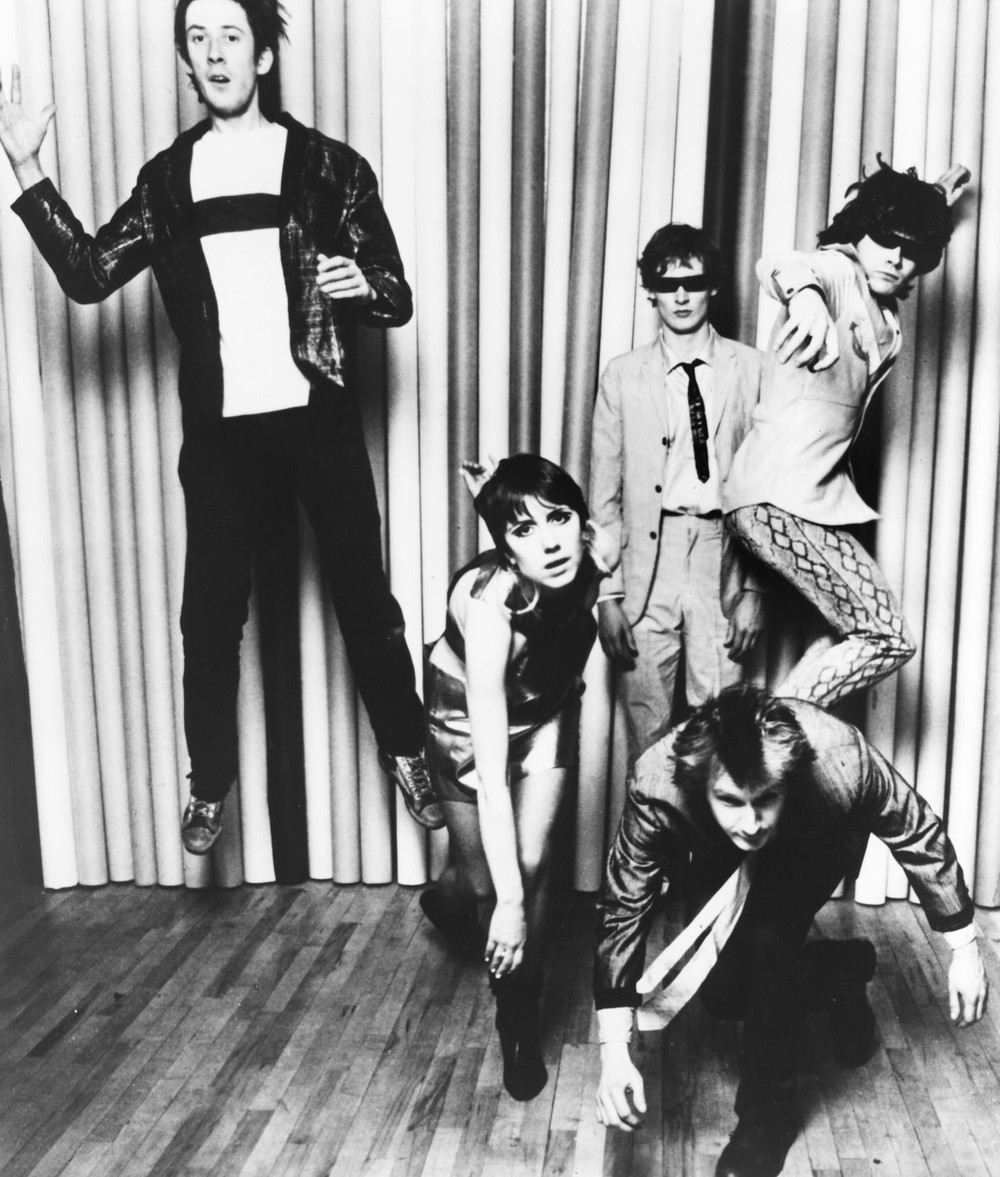
Zolo is a retrospective label for flamboyant, quirky, and tightly arranged pop/rock that fuses the nervy immediacy of New Wave with the intricate songcraft and rhythmic left‑turns of Progressive Rock—often performed with the manic, kinetic energy of Punk.

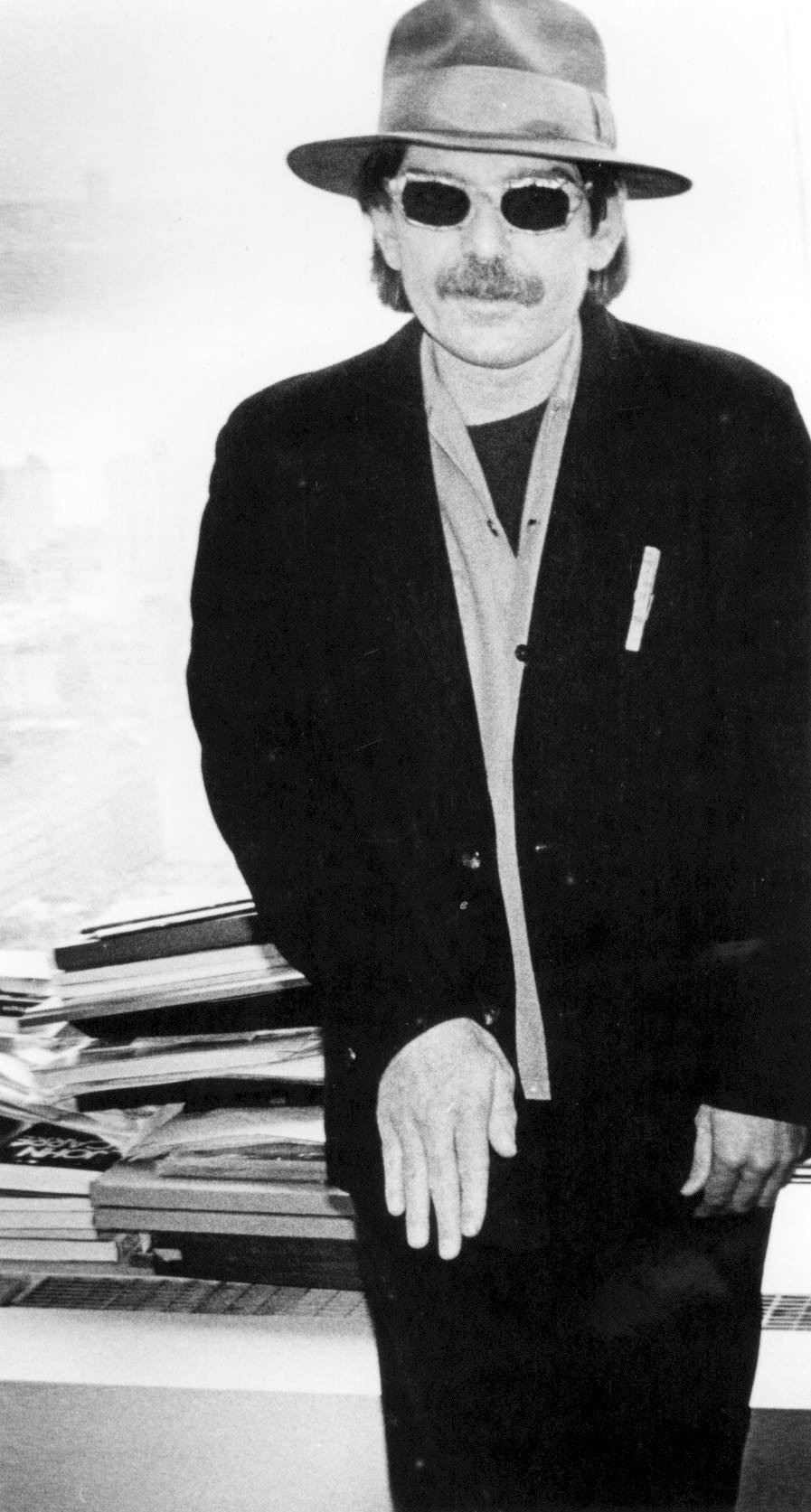
The name "Zolo" was coined by radio DJ Terry Sharkie around 1989, and the concept was popularized to a wider audience via his live broadcast The Zany Zolo Musik Hour, which premiered on June 25, 1995. Although the tag emerged later, it gathers together late‑1970s and 1980s artists who favored herky‑jerky grooves, bright synths, stop‑start structures, theatrical vocals, and a cartoonish, art‑school sense of humor.

Zolo tends to be hooky yet rhythmically tricky: upbeat, sing‑along melodies ride atop odd meters, jagged chord changes, and frequent dynamic shifts. The overall vibe is clever, colorful, and hyperactive—fun, but engineered with precision.


Sources: Spotify, Wikipedia, Discogs, RYM, MB, user feedback and other online sources

History

Origins (late 1970s)

Zolo’s musical DNA emerged in the late 1970s when New Wave bands began absorbing Progressive Rock’s compositional complexity while retaining Punk’s momentum and attitude. Art‑school scenes in the UK and the US encouraged acts that were simultaneously catchy and eccentric—embracing angular riffs, quirky synth timbres, sudden modulations, and theatrical presentation.

Coining the term (1989) and radio codification (1995)

The word “Zolo” itself was coined by DJ Terry Sharkie around 1989 as an umbrella for this zany, precision‑engineered pop/rock. The idea reached a broader, codified audience through Sharkie’s program The Zany Zolo Musik Hour (premiered June 25, 1995), which highlighted both canonical and overlooked examples and helped fix the aesthetic in public memory.

1980s heyday

Even before the term existed, the style flourished throughout the early–mid 1980s. Bands on both sides of the Atlantic drew on power‑pop hooks, post‑punk funkiness, and prog‑like arrangement twists. MTV and college radio amplified acts whose songs could be both radio‑friendly and rhythmically/structurally eccentric.

1990s–present: legacy and revival

In the 1990s and 2000s, Zolo’s influence flowed into geek/college rock, indie pop/rock, and math‑inclined pop forms, where clever, tightly arranged songwriting and playful performance remained prized. Online communities, reissues, and genre‑tag platforms further stabilized the term, turning Zolo into a recognized lens for rediscovering and connecting kindred, off‑kilter pop innovators from different decades.

How to make a track in this genre

Core aesthetics

Aim for hooky, high‑energy songs that feel mischievous yet meticulously arranged. Marry bright, catchy melodies to jump‑cut structures, odd meters, and unexpected harmonic pivots. Keep the performance theatrical and animated.

Harmony and melody
•   Use major keys and bright modal colors, but puncture the sweetness with sudden modulations, tritone side‑steps, or chromatic voice‑leading. •   Favor short, sing‑song motifs and answer‑phrases; layer call‑and‑response vocals or gang shouts for zest. •   Insert brief instrumental tags and fanfares (synth or guitar) between vocal lines to heighten the cartoonish flair.
Rhythm and groove
•   Start from brisk New Wave backbeats (snare on 2 and 4), then introduce hiccups: bar extensions, skip beats, or metric feints (e.g., 7/8 bars tucked into 4/4). •   Use tight, staccato guitar/synth stabs to articulate syncopation; let the bass be busy and melodic, sometimes leading chord motion.
Instrumentation and sound design
•   Core: electric guitar (often clean, choppy), electric bass (melodic, nimble), drum kit (dry, punchy), and analog/digital synths (bright leads, quirky ornaments). •   Color: sax/clarinet stabs, marimba/xylophone, toy keys or found sounds for comedic punctuation. •   Keep tones crisp and upfront; avoid excessive ambience so the rhythmic precision reads clearly.
Lyrics and themes
•   Embrace absurdism, satire, science‑fair or art‑school topics, wordplay, and character sketches. •   Deliver with theatrical or slightly affected vocals; use stacked harmonies for climactic refrains.
Arrangement and performance
•   Build songs from short scenes: verse → tag → left‑turn bridge → “ta‑da” chorus, with quick dropouts and re‑entries. •   Orchestrate in layers, introducing and withdrawing hooks to maintain forward motion and surprise. •   Stage presence should be animated, slightly camp, and tightly choreographed to the music’s starts/stops.
Production tips
•   Favor tight gating and fast transients; compress drums and bass for punch. •   Pan contrapuntal parts (guitar vs. synth) for clarity; automate mutes and micro‑breaks to exaggerate the jump‑cut feel. •   Keep mixes bright and mid‑forward so hooks and staccato syncopations pop.

Main artists

Top tracks

Locked
Share your favorite track to unlock other users’ top tracks

Upcoming concerts

in this genre
Influenced by
Has influenced

Download our mobile app

Get the Melodigging app and start digging for new genres on the go
© 2026 Melodigging
Melodding was created as a tribute to Every Noise at Once, which inspired us to help curious minds keep digging into music's ever-evolving genres.
Buy me a coffee for Melodigging