Your digging level

For this genre
0/8
🏆
Sign in, then listen to this genre to level up

Description

Zeuhl is a bass‑driven, choir‑inflected strain of progressive rock coined by Christian Vander of Magma; the word is Kobaïan for “celestial.” It marries jazz‑rock and modernist classical impulses with ritualistic choral writing, repetitive ostinati, and militaristic drum patterns, yielding music that feels simultaneously cosmic, ominous, and liturgical.

Typical traits include pounding, modal bass riffs; tightly locked, polyrhythmic drums; massed vocals in block chords or antiphony (often in invented languages); and long, through‑composed suites with recurring leitmotifs. The harmony favors minor, modal, and quartal sonorities and dramatic choral/Orff‑like climaxes, while the textures range from spare ostinatos to densely orchestrated, quasi‑operatic sections.

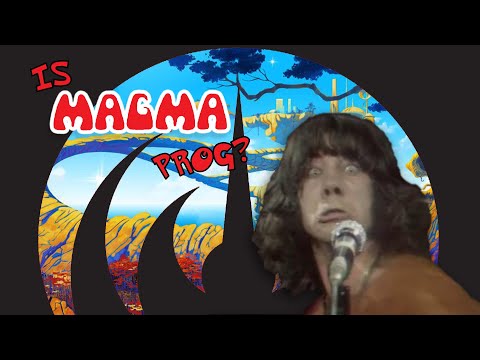
Sources: Spotify, Wikipedia, Discogs, Rate Your Music, MusicBrainz, and other online sources

History

Origins (late 1960s–early 1970s)

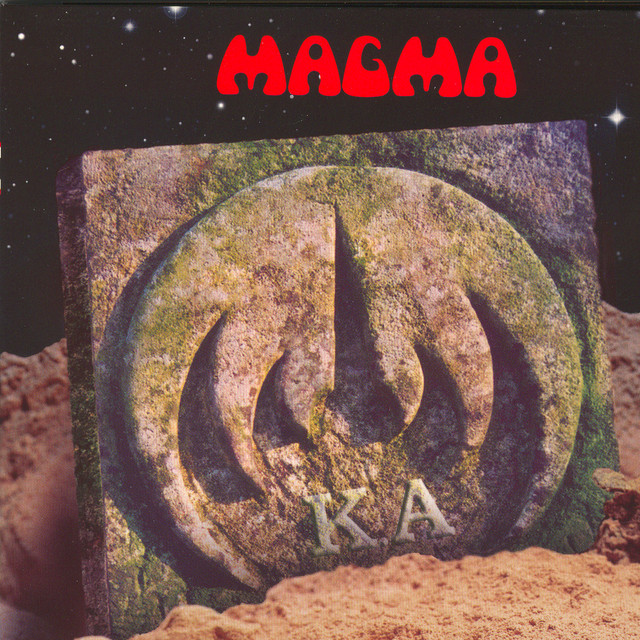
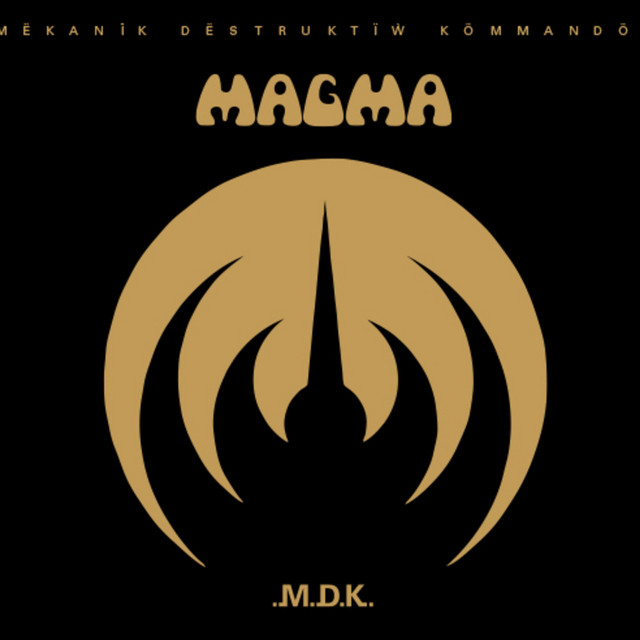
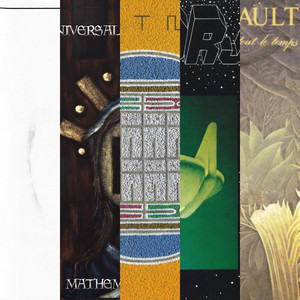
Zeuhl emerged in France at the turn of the 1970s, spearheaded by drummer/composer Christian Vander and his band Magma (formed 1969). Vander’s vision fused the drive of jazz‑rock with modern classical gesture, large‑scale vocal writing, and a science‑fiction cosmology sung in an invented language (Kobaïan). Early milestones like Mekanïk Destruktïw Kommandöh (1973) and Kohntarkosz (1974) codified the genre’s core: ostinato‑based forms, choral blocks, martial rhythms, and a bass‑centric mix.

Consolidation in France (mid–late 1970s)

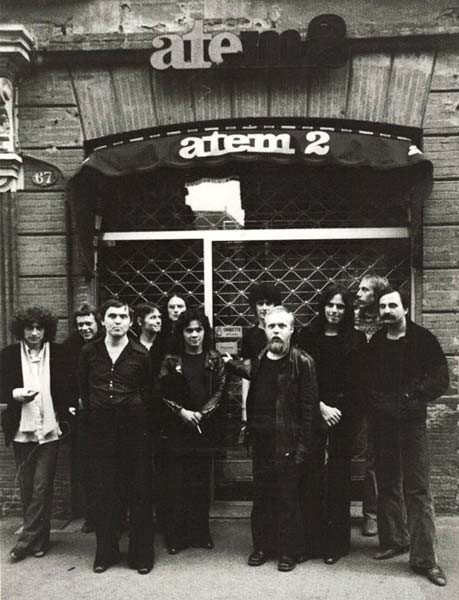
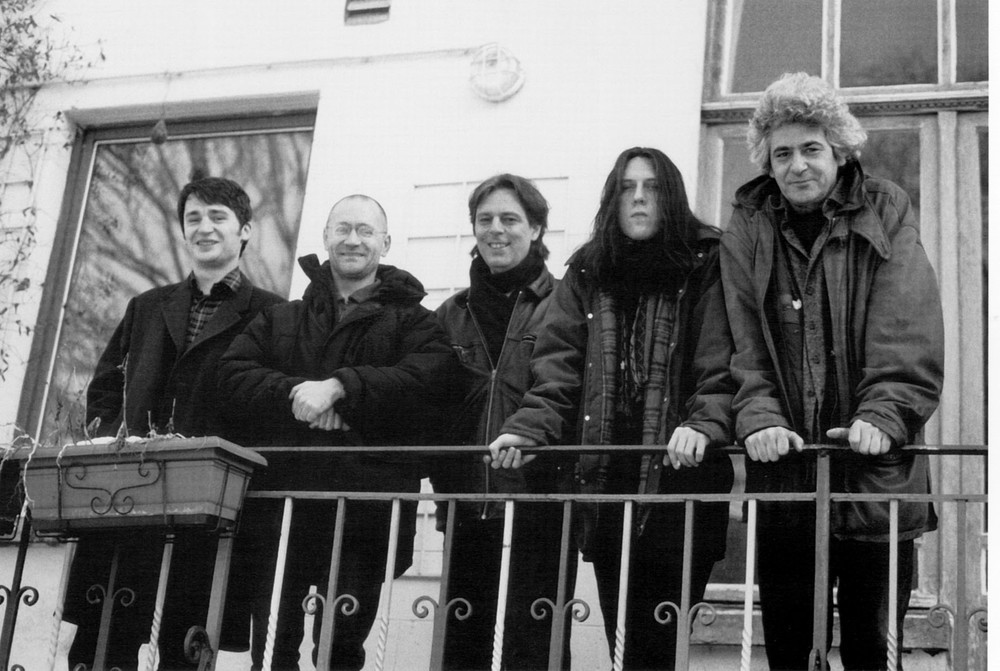
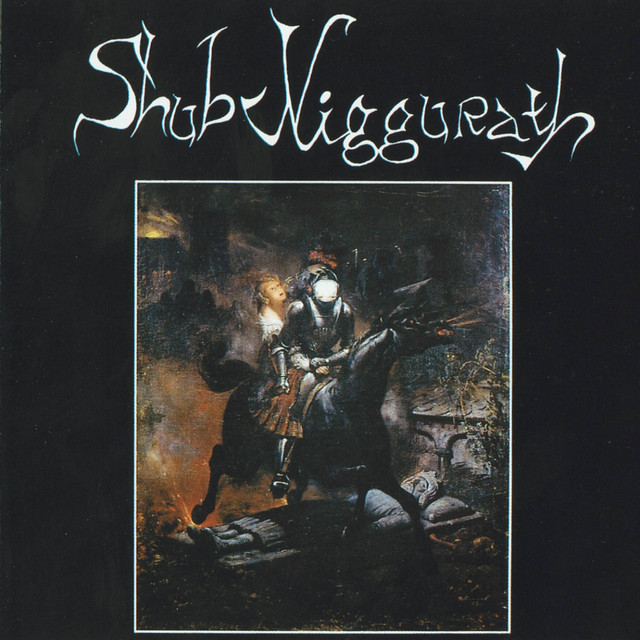
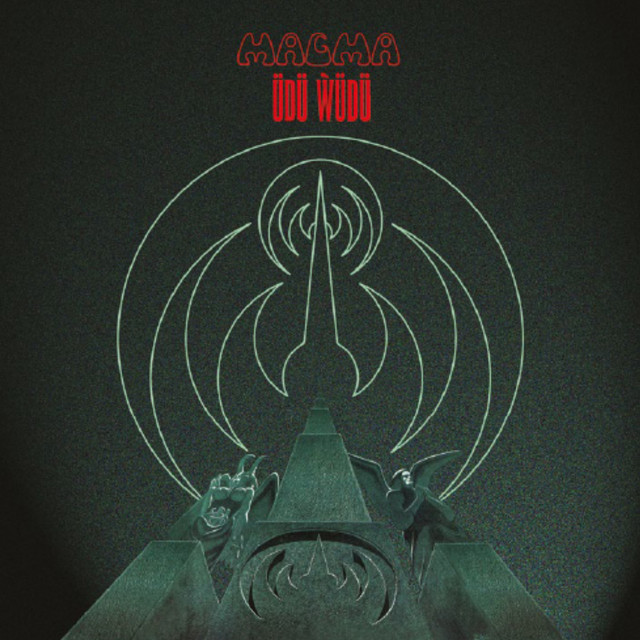
Magma’s influence quickly radiated through France. Alumni projects and kindred groups—Zao, Weidorje, Eskaton, Eider Stellaire, and later the darker, chamber‑leaning Shub‑Niggurath—expanded the palette: more electric piano/Rhodes, woodwinds, string ensembles, and an intensified focus on choral drama and modal repetition. Magma’s Üdü Ẁüdü (1976) and Attahk (1978) further demonstrated the style’s elastic range, from funk‑tinged grooves to quasi‑sacred climaxes.

International Echoes and Revivals (1980s–2000s)

While the original French wave ebbed in the 1980s, Zeuhl’s DNA resurfaced strongly in Japan. Ruins distilled it into hyper‑compressed, virtuosic duo onslaughts, and Kōenji Hyakkei reimagined Magma’s choral maximalism with breakneck precision. Elsewhere, bands and projects across Europe and the Americas (e.g., Bondage Fruit, Dün’s cult classic, and later Corima) kept the idiom alive, often intersecting with Rock in Opposition (RIO), brutal prog, and avant‑prog scenes.

Legacy

Zeuhl’s impact is audible wherever heavy ostinatos, choral blocks, odd‑meter grooves, and through‑composed, mythic narratives intersect—spanning avant‑prog, brutal prog, experimental rock, and aspects of avant‑metal. Its lasting signature is a sense of ritual intensity: music that feels simultaneously ancient and futuristic, ecstatic and martial.

How to make a track in this genre

Ensemble and Timbre
•   Center the rhythm section around a powerful, mid‑forward electric bass (often slightly overdriven), tom‑heavy drums, and electric piano/Rhodes, with additional synths, brass/woodwinds, or strings for color. •   Employ a choir or stacked vocals (mixed or unison sections). Treat voices like an orchestra: block chords, antiphonal responses, and sustained pedal tones.
Rhythm and Groove
•   Build pieces on insistent ostinatos and motoric grooves. Favor odd meters (7/8, 11/8, 5/4) and use polyrhythms/hemiolas to generate propulsion. •   Keep drums tight and martial: strong downbeats, authoritative tom figures, occasional snare tattoos, and dynamic crescendos.
Harmony and Melody
•   Use modal harmony (Aeolian, Dorian, Phrygian) and quartal/quintal stacks. Emphasize pedal points and parallel choral motion for ritual heft. •   Develop leitmotifs that recur across movements; modulate texture and orchestration rather than relying on frequent key changes.
Vocals and Text
•   Consider invented or phonetic languages to prioritize phonetic color and rhythmic bite (à la Kobaïan). Mix chant‑like lines with percussive syllables and massed, Orff‑like refrains. •   Lyrics (if in a natural language) can frame cosmic myths, apocalyptic cycles, or spiritual journeys.
Form and Orchestration
•   Write large, through‑composed suites with clear sections (processions, invocations, climaxes, codas). Use long crescendos and sudden drop‑outs to sculpt drama. •   Layer instruments gradually: start with bass ostinato, add Rhodes patterns, introduce vocal blocks, then brass/strings for peak intensity.
Production Tips
•   Put bass and drums forward in the mix; give choirs a wide, cathedral‑like space. Keep ostinatos tight and phase‑locked; avoid excessive reverb on rhythm section to retain punch. •   Record group vocals in multiple passes for density; pan antiphonal parts to heighten call‑and‑response.
Practice Checklist
•   Design 2–3 core ostinatos in contrasting meters and rehearse seamless transitions. •   Assign leitmotifs to voice groups/instruments; reprise them at structural pillars to unify the suite. •   Rehearse dynamic control: pianissimo processions to fortissimo choral climaxes.

Top tracks

Locked
Share your favorite track to unlock other users’ top tracks
Influenced by
Has influenced
Challenges
Digger Battle
Let's see who can find the best track in this genre
© 2026 Melodigging
Melodding was created as a tribute to Every Noise at Once, which inspired us to help curious minds keep digging into music's ever-evolving genres.
Buy me a coffee for Melodigging