Your digging level
Description
Christian lo-fi blends the hazy, cassette-warm textures of lo-fi production with explicitly Christian themes, scripture references, and devotional intent. It draws on the relaxed grooves of lo-fi hip hop and bedroom indie aesthetics, but places worshipful focus at the center.
Tracks are typically mellow, mid-tempo instrumentals or gently sung/spoken pieces that encourage reflection, study, and prayer. Vinyl crackle, tape saturation, muted drums, and soft-keyboard or guitar motifs are common, often paired with hymn fragments or sermon snippets. The result is contemplative music designed to be spiritually centering as much as sonically soothing.
History
Christian lo-fi inherits two parallel streams: the DIY, cassette-era sensibility of bedroom indie/lo-fi and the devotional posture of modern worship and Christian hip hop. Early Christian indie and worship artists sometimes used lo-fi production for intimacy, setting a precedent for faith-centered music that embraces imperfection and warmth.
The mid-2010s boom of lo-fi hip hop "beats to study/relax to" created a ready-made aesthetic for reflective, lyric-light music. Christian producers and curators began adapting this palette to devotional contexts, releasing instrumentals and gentle vocal tracks that foreground scripture, prayer, and hope while retaining the relaxed swing and dusty sonics of lo-fi.
During the late 2010s and especially the early 2020s, Christian lo-fi found a larger audience through playlists, YouTube channels, and labels dedicated to faith-infused chill beats. Artists began issuing lo-fi hymn reinterpretations, worship remixes, and original devotional instrumentals aimed at journaling, Bible study, and quiet time.
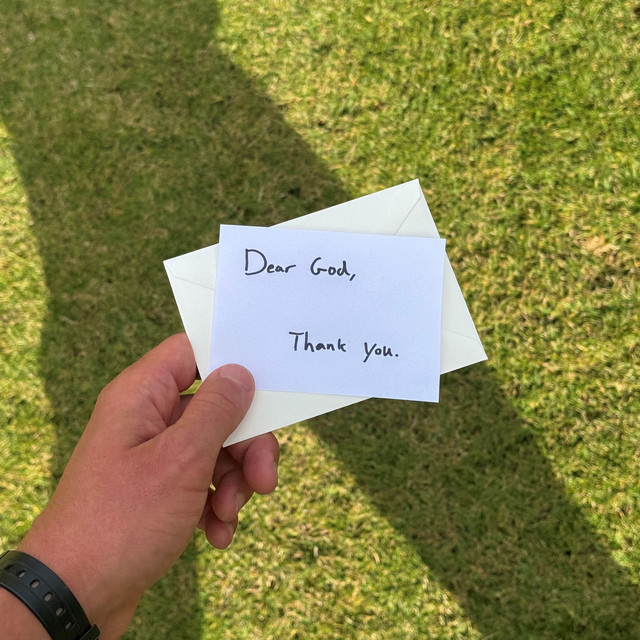
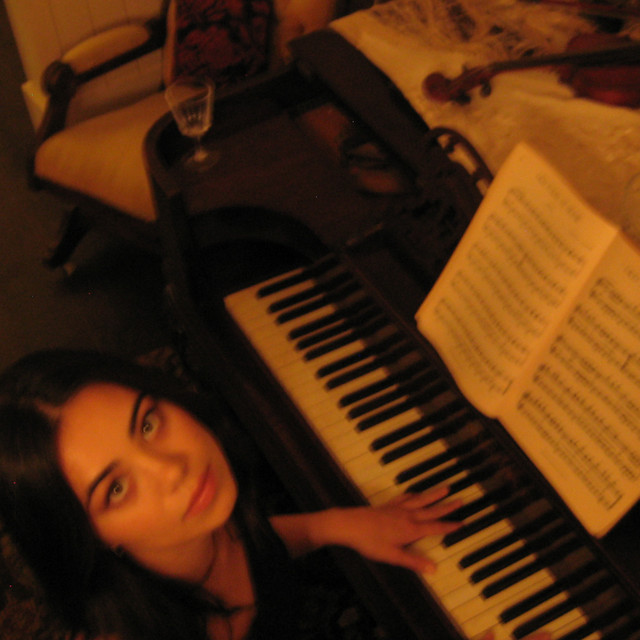
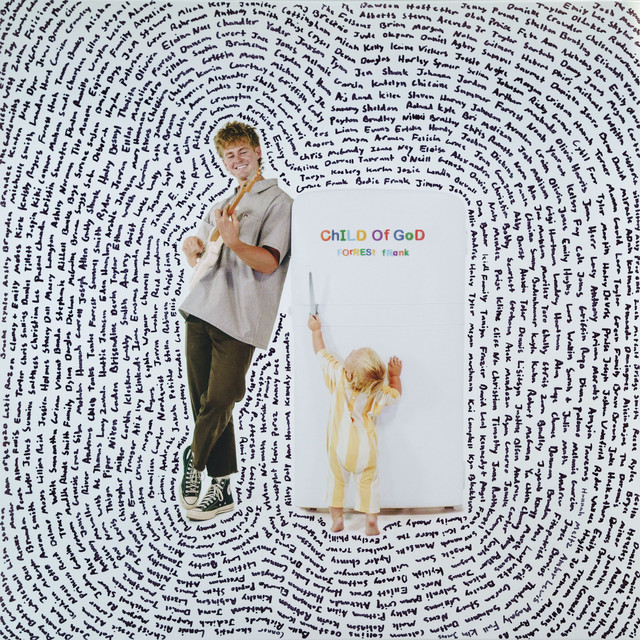
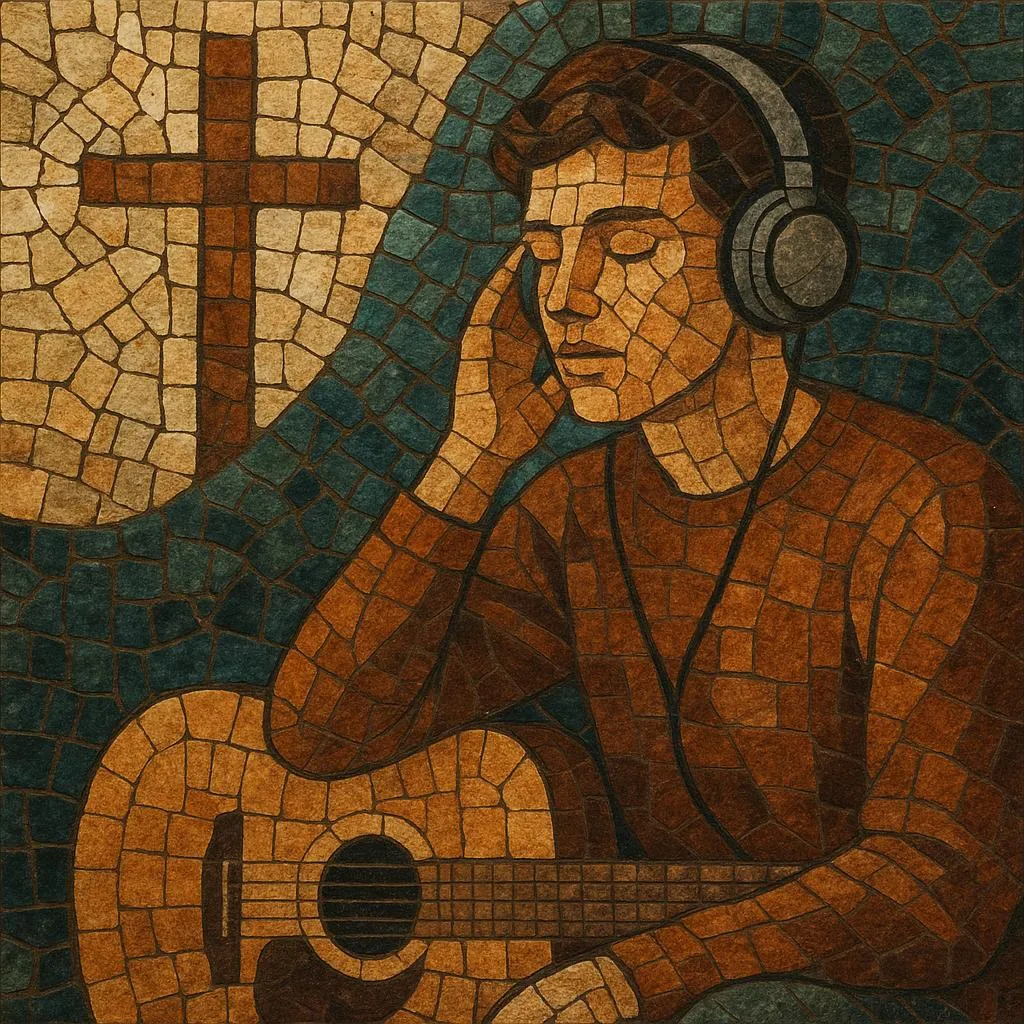
Community building happens through playlist ecosystems, small labels, and faith-oriented media channels. Visuals typically mirror lo-fi culture (soft pastels, cozy interiors) but incorporate Christian symbolism and verse references. The scene remains purposefully understated—prioritizing intimacy, spiritual reflection, and accessibility over virtuosity or high-gloss production.
Aim for 65–90 BPM with relaxed, swung drums. Use soft, low-velocity kicks, brushed snares, and gentle hi-hats; humanize timing with subtle groove and micro-quantization.
Favor warm, consonant progressions (maj7, min7, add9, sus2) and slow-moving chord changes. Keep melodies simple and singable, often played on Rhodes-style keys, nylon-string guitar, or soft synths. Modal color (Dorian/Mixolydian) can add uplift without losing calm.
Embrace tape-style saturation, vinyl crackle, and gentle noise floors. Low-pass filtering, wow-and-flutter, and spring/plate reverbs cultivate intimacy; keep dynamics soft and headroom ample. Sidechain subtly for breath, but avoid aggressive pumping.
Weave in short scripture readings, whispered prayers, or hymn fragments. If using samples from sermons or hymns, ensure they are public domain or properly licensed. Lyrically, focus on hope, grace, confession, and gratitude, using sparse, sincere language.
Build in small arcs over 2–3 minutes: intro texture, main groove, a light B-section or breakdown, then a mindful outro. Leave space—rests and ambience are as important as notes.
Target warm, gentle tonal balance with relaxed transients. Roll off harsh highs, control low-end bloom, and keep loudness moderate for long listening. Artwork can reflect cozy, contemplative imagery with subtle Christian symbolism (e.g., a verse reference).