Your digging level
Description
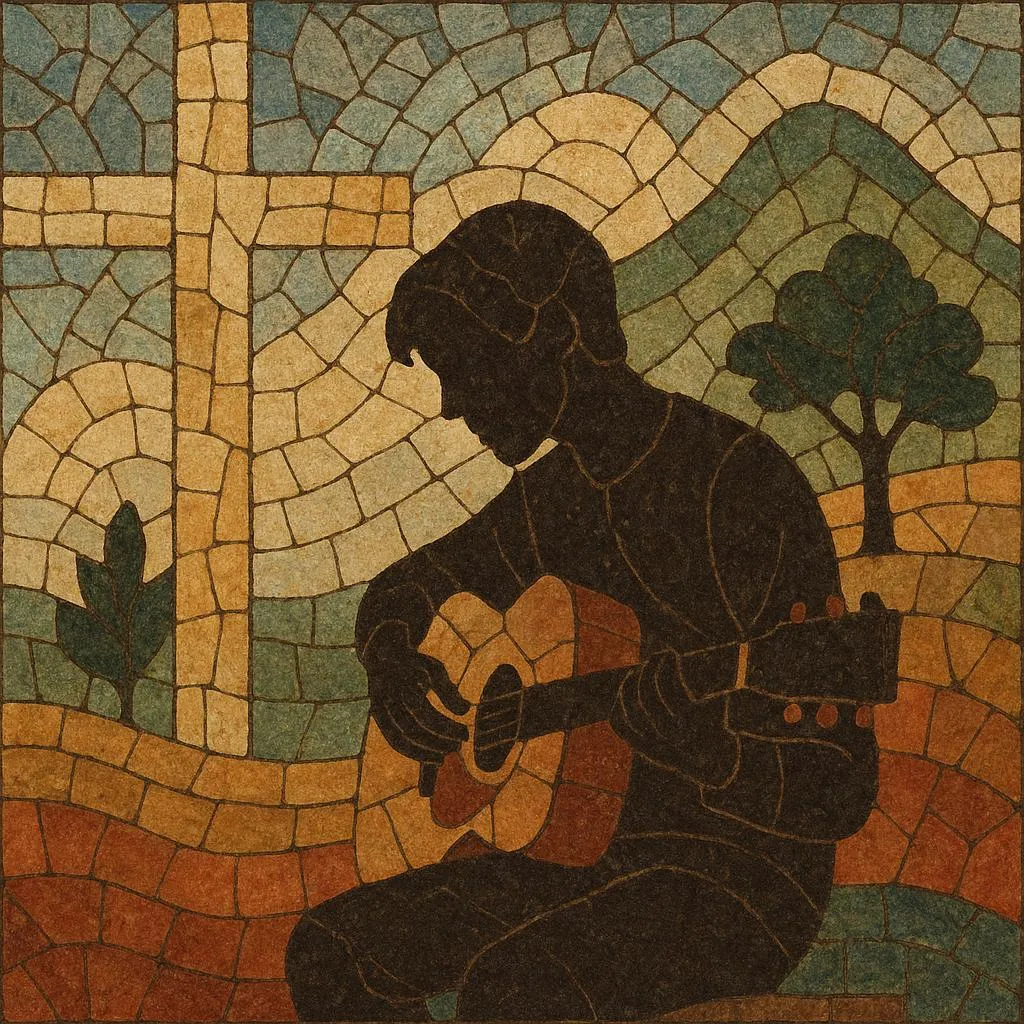
Christian indie is a faith-informed branch of the indie/alternative landscape that pairs DIY production values and artful songwriting with explicitly Christian or biblically inflected lyrics.
Stylistically it ranges from hushed folk and chamber-pop to airy synth textures and guitar-driven indie rock. The emphasis is usually on intimate vocals, poetic imagery, and reflective arrangements that leave space for confession, hope, doubt, and praise. Compared with mainstream CCM and arena worship, Christian indie tends to be less polished and more experimental, prioritizing authenticity, narrative depth, and a community-centered ethos.


History
Christian indie coalesced in the 1990s as artists with Christian convictions gravitated toward the burgeoning U.S. indie and alternative scenes. Operating outside the CCM industry’s glossy production, they embraced DIY labels, house shows, and college radio. The sound borrowed from lo-fi indie rock, folk revival currents, and chamber-pop, while lyrics explored faith, doubt, and discipleship through personal storytelling rather than radio-ready slogans.
In the 2000s, a wave of singer-songwriters and bands broadened the palette—folding in orchestration, experimental textures, and literary lyricism. This period cemented Christian indie as a space where spiritual themes could coexist with art-forward production and non-commercial song structures. Independent labels and church-adjacent communities provided infrastructure without imposing the stylistic constraints common in mainstream Christian pop/rock.
The 2010s brought greater visibility as collectives and church-plant scenes adopted indie aesthetics for congregational songcraft. Artists bridged meditative folk, post-rock swells, and subtle electronics with psalmic language, creating music equally at home in living rooms, galleries, and small sanctuaries. Streaming platforms amplified discovery, enabling global micro-scenes (from North America to the U.K. and beyond) to share arrangements, liturgical experiments, and seasonal projects.
Christian indie now spans bedroom folk, ambient-liturgical projects, and inventive pop hybrids. While still resistant to strict commercial formulas, it has influenced worship writing, devotional compilations, and lo-fi spiritual music. The genre remains defined less by a single sound than by a posture: independent craft, theological imagination, and a preference for honest, community-shaped storytelling over market-driven polish.