Your digging level
Description
Xian psych ("Christian psych") is a strand of psychedelic rock and folk that centers explicitly Christian and biblical themes. It uses dreamy, transcendent sonics—fuzzed guitars, reverb-soaked vocals, churchy organs, and spacious tape echoes—to evoke a sense of spiritual awe and inner vision.
The style often borrows hymn-like melodies, liturgical cadences, and devotional lyrics, fusing them with the exploratory textures of late‑1960s psychedelia. The result is music that feels simultaneously otherworldly and devotional, portraying faith, prayer, and scripture through surreal, visionary soundscapes.
History
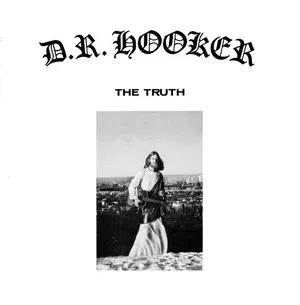
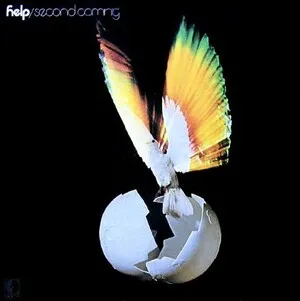
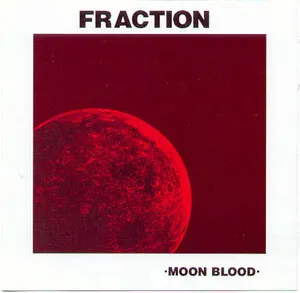
Xian psych emerged in the United States at the tail end of the 1960s as the Jesus Movement intersected with the era’s psychedelic and folk‑rock currents. Independent church groups, student fellowships, and newly converted bands began using the exploratory language of psychedelia to express Christian testimony, scripture, and apocalyptic imagery.
Because mainstream labels were wary of overtly religious rock, much of the output appeared as private‑press LPs funded by congregations or small ministries. These recordings blended fuzz guitar and organ jams with prayerful lyrics, modal hymn tones, and occasional choir or liturgical passages, creating a distinctive devotional psychedelia.
Typical releases juxtaposed gentle folk ballads with heavier, acid‑tinged tracks. Production favored room mics, spring reverb, tape delay, and raw, live takes—techniques that heightened the mystic, transcendent atmosphere while keeping the performances intimate and testimony‑like.
Crate‑diggers and reissue labels later rediscovered the scene’s private‑press gems, elevating Xian psych as a unique crossover of psychedelic experimentation and Christian devotion. Its influence can be heard in strands of Christian alternative and indie that prize atmosphere, sincerity, and contemplative worship textures.
Start with a psych‑rock/folk backbone: electric and acoustic guitars (with fuzz, tremolo, and tape echo), Hammond or combo organ, bass, and a restrained drum kit with brushes or light sticks. Add choir pads or group harmonies for a devotional feel; Mellotron or flute/strings can deepen the transcendence.
Use modal church colors (Dorian, Aeolian, Mixolydian) and hymn‑like phrases. Employ plagal (IV–I) "Amen" cadences and open fifth drones to hint at liturgical music. Alternate between folk‑tinged verses and expanded instrumental bridges for psychedelic lift.
Keep tempos moderate and meditative—slow 4/4, 6/8 sways, or gentle backbeats. Let rhythm breathe to create space for reverberant textures and call‑and‑response vocals.
Write devotional or scripture‑inspired texts that use parable, prophecy, and personal testimony. Balance clarity of message with poetic, visionary imagery to sustain the surreal, transcendent mood.
Favor warm, lo‑fi aesthetics: spring reverb, slapback/tape delay, double‑tracked vocals, and room ambiance. Layer subtle field cues (church bells, room noise) tastefully. Build dynamic arcs from quiet folk reflection to saturated psych climaxes, always keeping the spiritual center audible.