Your digging level
Description
Northeastern Brazilian music is an umbrella for the rich, dance‑driven and song‑centered traditions from Brazil’s Nordeste, spanning rural sertão sounds and vibrant coastal carnival repertoires. It gathers matrix styles such as forró (and its substyles baião, xote, xaxado), coco and embolada (repente), maracatu, frevo, ciranda, and more.
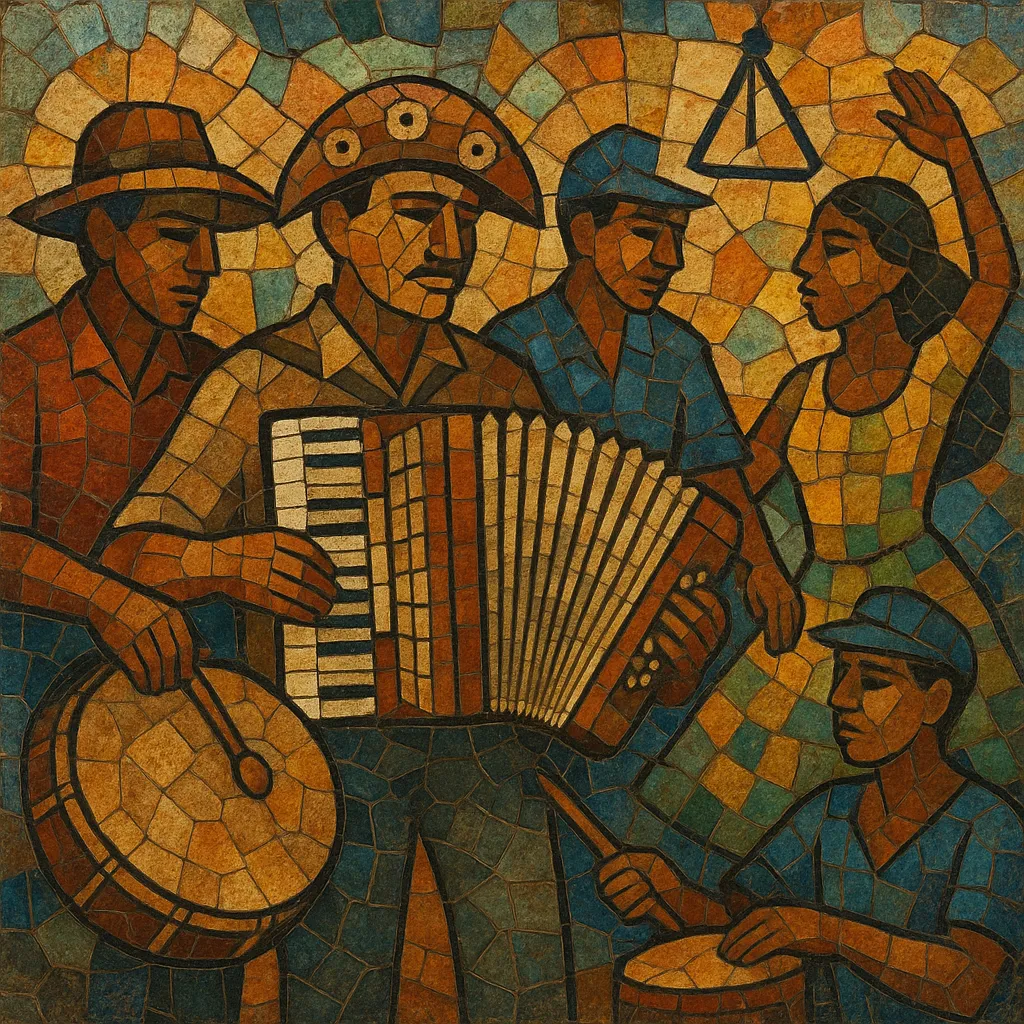
Characterized by propulsive percussion (zabumba, alfaia, pandeiro), bright timbres (triangle, brass), and the signature diatonic accordion (sanfona), the region’s music balances joyous, communal dance grooves with lyrical narratives about sertão life, migration, love, drought, and resilience. Its rhythmic DNA mixes Portuguese dance forms with Afro‑Brazilian and Indigenous elements, producing syncopated two‑step feels and carnival‑ready cadences.
From the early 20th century radio era to contemporary pop and hip‑hop fusions, Northeastern styles have continually refreshed Brazilian music at large, informing MPB, axé, and the Recife‑born mangue beat while sustaining strong local dance and festival circuits.
History
Northeastern Brazilian music crystallized from the encounter of Portuguese song and dance (modinha, fandango, schottische/"xote"), Afro‑Brazilian drumming and call‑and‑response (coco, maracatu), and Indigenous melodic and rhythmic practices. By the late 19th and early 20th centuries, rural toadas, aboio cattle calls, and lundu/maxixe urban dance idioms were circulating across the region.
Carnival street traditions like frevo in Recife and maracatu nations gained formal ensembles and repertoires. The diatonic accordion (sanfona) became a hallmark of inland dance music, anchoring forró gatherings. In the 1940s, Luiz Gonzaga popularized baião and related forró grooves nationwide via radio, defining the accordion–zabumba–triangle trio sound and bringing sertão imagery into mainstream Brazilian culture.
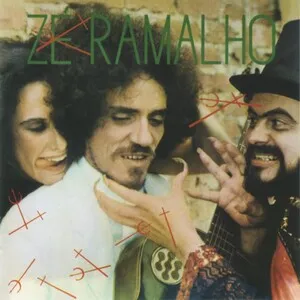
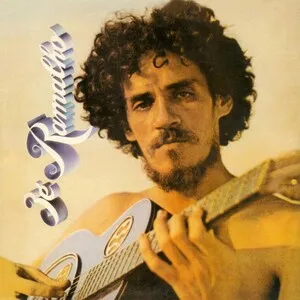
Artists such as Jackson do Pandeiro, Marinês, Sivuca, and Dominguinhos broadened the palette with virtuosic rhythm, jazz‑tinged harmony, and sophisticated songwriting. Frevo’s brass‑band tradition flourished in Pernambuco’s carnival, while coco/embolada improvisers kept repentismo at the center of community performance. Northeastern rhythms infused MPB and Brazilian rock through figures like Alceu Valença, Geraldo Azevedo, Fagner, and Zé Ramalho.
Recife’s mangue beat (e.g., Chico Science & Nação Zumbi) reimagined maracatu’s alfaias inside electric rock, hip‑hop, and funk textures. Parallelly, forró universitário and forró eletrônico modernized dance‑floor formats, expanding audiences beyond the region. Ciranda and maracatu experienced revivalist waves, and frevo strengthened its orchestral and big‑band interpretations.
Northeastern music remains a living matrix for Brazil’s pop and indie scenes. Brega funk in Recife, contemporary MPB, and Brazilian hip‑hop draw on local grooves, percussion timbres, and storytelling. At home, community festas, quadrilhas juninas, and carnival continue to transmit repertoire and technique, ensuring both continuity and innovation.