Your digging level
Description
Portuguese music is the broad musical tradition of Portugal, spanning medieval courtly song, liturgical polyphony, regional folk styles, urban song (most famously fado), and a modern landscape of pop, rock, jazz, hip hop, and experimental scenes.
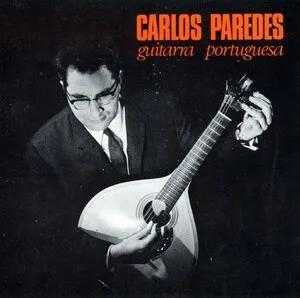
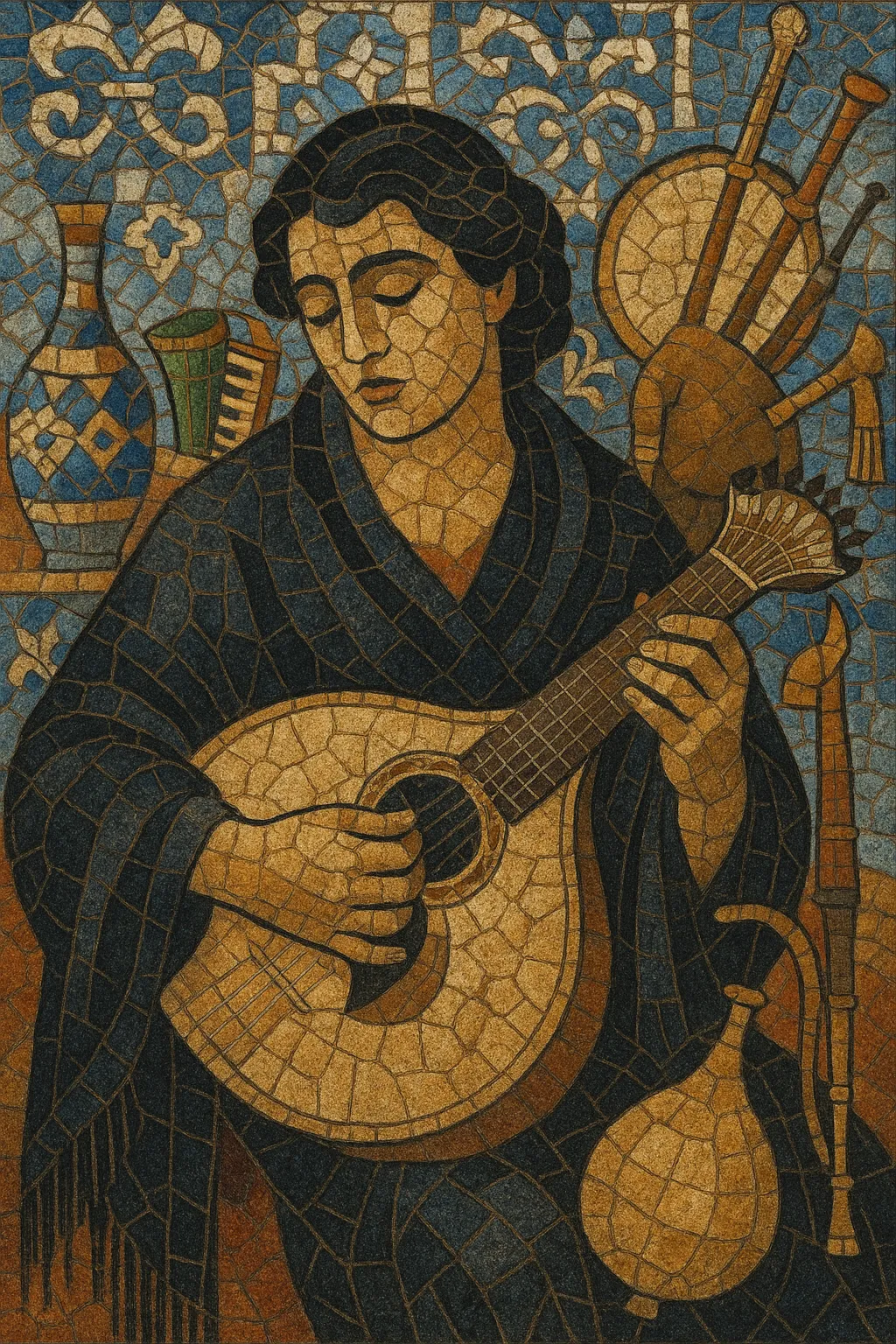
At its core is the aesthetic of saudade—a bittersweet sense of longing—that shapes the melodic phrasing and lyrical themes of many Portuguese styles. Hallmark timbres include the bright, shimmering guitarra portuguesa (12‑string Portuguese guitar), classical/folk guitars (viola), cavaquinho, accordion, adufe frame drum, and regional bagpipes (gaita transmontana). Portuguese music also reflects centuries of exchange across the Lusophone world, especially with Brazil, Cape Verde, and other former colonies, enriching local idioms with rhythmic and harmonic colors from Africa and the Americas.
History
Portugal’s musical identity begins in the medieval kingdom (12th century), when troubadour traditions and sacred polyphony flourished alongside influences from nearby Al‑Andalus. Courtly song and liturgical practice shaped an early repertoire, while maritime expansion later opened channels to Africa and the Americas, inaugurating long‑term cultural exchange.
In the 18th century, transatlantic circulation between Portugal and Brazil fostered salon and theatre songs such as the modinha and the Afro‑Brazilian lundu. These repertoires’ lyrical intimacy and flexible rhythms would eventually feed into urban song practices in Lisbon and Coimbra. By the early–mid 19th century, fado emerged as a defining urban song—first in taverns and bohemian districts, then in professional houses—with the guitarra portuguesa crystallizing its sound.
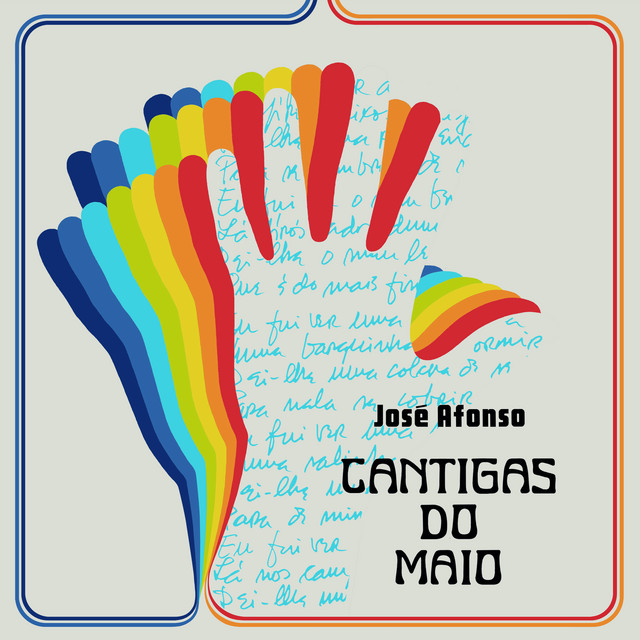
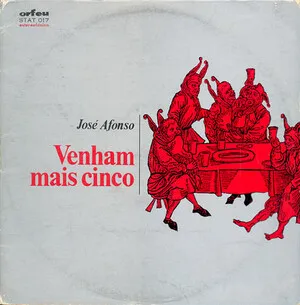
Across the 20th century, fado became a national icon (popularized globally by Amália Rodrigues), while regional traditions—like the polyphonic cante alentejano and northern dance musics (vira, chula, corridinho)—were documented and staged. During the Estado Novo dictatorship (1933–1974), fado was promoted as heritage even as a parallel stream of protest song (música de intervenção), led by José Afonso and others, flourished in the years leading to the Carnation Revolution of 1974.
After 1974, Portuguese music diversified rapidly: rock, pop, jazz, and experimental scenes grew; fado renewed itself (Madredeus, Dulce Pontes, Mariza, Ana Moura); and Lusophone dialogues intensified with Cape Verdean morna/coladeira and Brazilian genres. UNESCO recognized Fado (2011) and Cante Alentejano (2014) as Intangible Cultural Heritage. Today, Portuguese music spans traditional and avant‑garde practices, with artists blending folk instruments, electronics, and contemporary songwriting while keeping saudade at the aesthetic core.