Your digging level

For this genre
0/8
🏆
Sign in, then listen to this genre to level up

Description

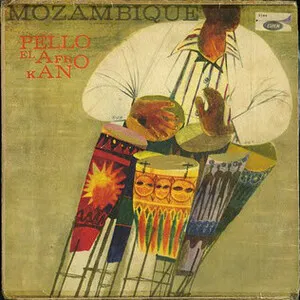
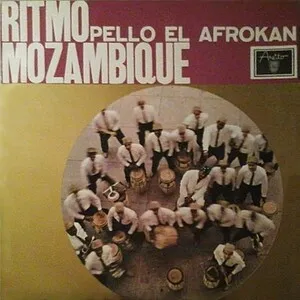
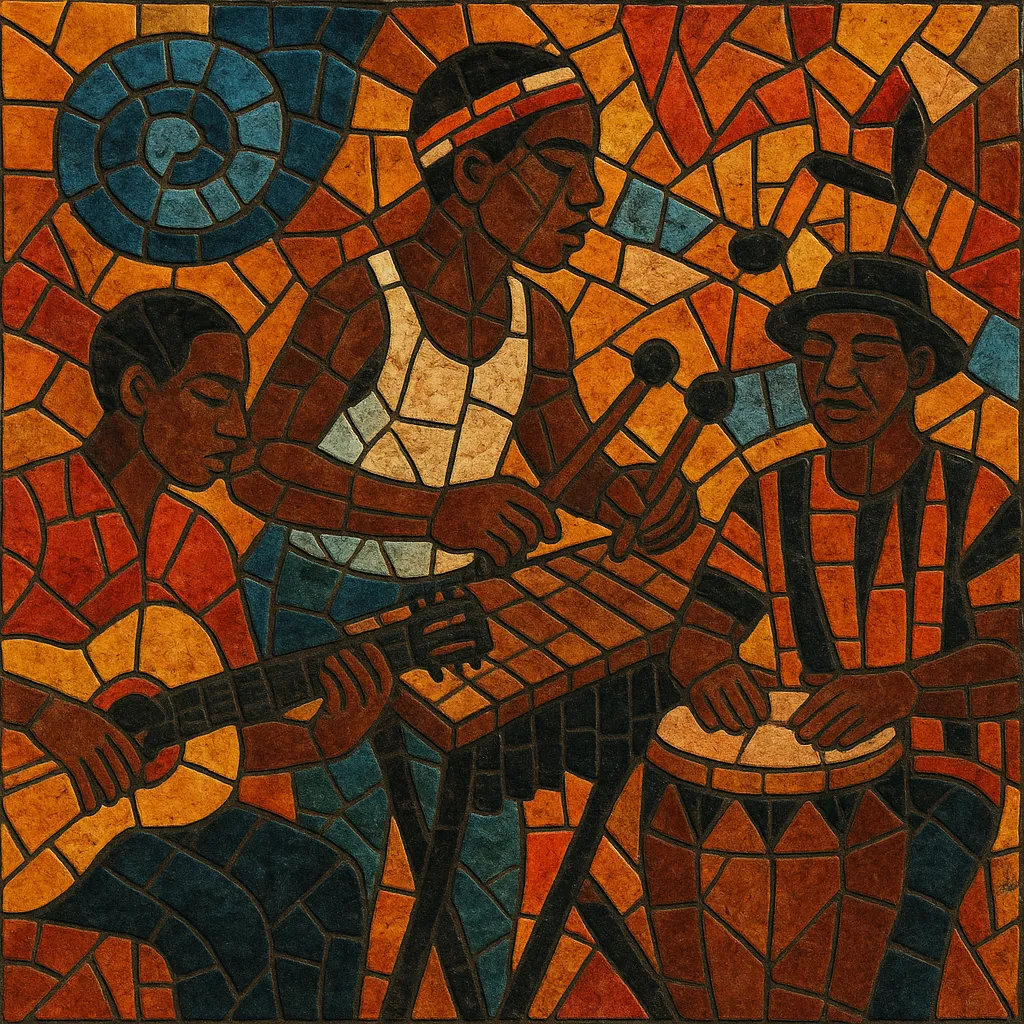
Mozambique is a vigorous Afro‑Cuban dance/music style created in Havana in 1963 by Pello el Afrokan (Pedro Izquierdo). It blends carnival comparsa percussion, rumba sensibilities, and call‑and‑response coros into a driving, celebratory groove led by congas, bass drums, cowbells, and whistles.

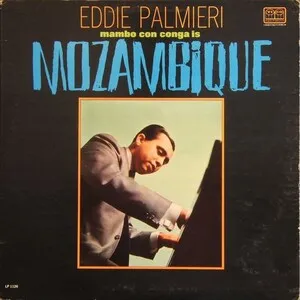
In the mid‑1960s a distinct New York adaptation emerged through Eddie Palmieri (with timbalero Manny Oquendo). This "NY Mozambique" codified a now-classic timbales bell pattern aligned to rumba clave and was absorbed into salsa and Latin jazz arranging. Thus, Mozambique refers to two related but different traditions: the Cuban comparsa-rooted original and the New York studio/club rhythm widely used in salsa and Latin jazz.


Sources: Spotify, Wikipedia, Discogs, RYM, MB, user feedback and other online sources

History

Origins in Cuba (1963)

Mozambique was conceived by bandleader and percussionist Pello el Afrokan (Pedro Izquierdo) in Havana around 1963. Drawing on the percussion architecture of comparsa (carnival) ensembles, rumba (especially the rumba clave feel), and Afro‑Cuban ritual and street traditions (including Abakuá and Santería influences), Pello formed a large, highly syncopated ensemble with congas, bass drums (bombos), metal guataca/hoe blades, cowbells, whistles, and a vocal coros‑pregón format. The music was created for dancing and pageantry, and quickly became a popular feature of carnival and stage presentations in mid‑1960s Cuba.

The New York Reinvention

Almost simultaneously, Eddie Palmieri and timbalero Manny Oquendo introduced a different, club‑oriented “Mozambique” in New York. Their version centered on a specific timbales cowbell pattern articulated against rumba clave, orchestrated within trombone‑driven salsa/Latin jazz bands (e.g., La Perfecta). This NY Mozambique emphasized crisp bell ostinati, layered hand‑drum marcha, piano montunos, brass mambos, and soneo improvisation, and it rapidly became a go‑to rhythm for salsa arrangers.

Impact and Legacy

Through the late 1960s, both strands circulated: the Cuban Mozambique in carnival/stage contexts, and the NY Mozambique across recordings and dance floors in the United States and beyond. While the Cuban form later ceded domestic visibility to songo and, later, timba, the NY Mozambique bell pattern became part of the Latin percussion canon—shaping salsa dura, Latin jazz pedagogy, and the rhythmic vocabulary of modern Afro‑Caribbean popular music.

Two Names, Two Practices

Although they share a name and Afro‑Cuban lineage, the Cuban (comparsa‑based) and New York (timbales‑bell‑driven) Mozambiques differ in ensemble makeup, arranging practice, and performance context. Musicians today reference both: the spectacle and chant‑led drive of Pello’s comparsa and the codified bell/clave logic popularized by Palmieri and Oquendo.

How to make a track in this genre

Choose the Mozambique Lineage
•   Cuban Mozambique: Think comparsa. Build a percussion‑forward street ensemble with layered drums, whistles, and chant. Harmony and horns are supportive; the groove and chorus drive the dance. •   New York Mozambique: Think salsa/Latin jazz. Start from a codified timbales (cencerro) bell pattern aligned to rumba clave, with full rhythm section (congas, bongó/campana, bass), piano montuno, and brass mambos.
Core Rhythm and Clave
•   Clave: Use rumba clave (either 3–2 or 2–3 orientation). Keep all parts clave‑correct; Mozambique feels tense and propulsive when the bell, conga marcha, bass, and montuno interlock with the clave. •   Tempo: Typically medium to brisk (about 100–130 BPM). Cuban comparsa contexts can feel broader and more processional; NY studio takes often sit in the tighter salsa band range.
Percussion Architecture
•   Cuban style: Multiple congas/tumbadoras, bombos (bass drums) often with mounted cowbells, metal guataca (hoe blade), maracas/güiro optional, and plenty of whistles/calls. Patterns emphasize marching propulsion with syncopated interlocks and breaks. •   NY style: Timbales lead with the Mozambique bell ostinato; add bongó bell and conga marcha (open tones on offbeats, heel‑toe for drive). Use call‑and‑response fills and sectional breaks to cue mambos and coros.
Harmony, Bass, and Montuno
•   Bass: Craft a tumbao that respects the clave side (avoid downbeats that clash with the 3‑side). Aim for forward momentum with anticipations on the “&” of 2 or 4. •   Piano: Write a montuno that outlines I–IV–V or ii–V–I cells common in Afro‑Cuban harmony, using guajeo figures that dovetail with the bell pattern. •   Horns (NY style): Arrange tight trombone/trumpet mambos answering the coros. Use rhythmically incisive unisons/octaves for weight; reserve harmonized fall‑offs for cadential lift.
Vocals and Form
•   Coro‑pregón: Employ short, catchy coros answered by a lead singer’s pregón (improvised calls). In the Cuban mode, rely on chant‑like texts and dance cues; in the NY mode, treat coros as sectional hooks. •   Form: Intro (percussion or bell+montuno) → verso/coro → montuno section (solos, mambos, breaks) → coro/vamp and coda. Insert “moñas” (short horn riffs) between coros to heighten energy.
Orchestration Tips
•   Create dynamic contrast with percussion-only breakdowns (Cuban) or timbales/bell breaks (NY). •   Keep the bell line present and articulate; the identity of Mozambique rests on that timbral/rhythmic signature. •   Use whistle cues and shouted calls (Cuban) or sharp horn cues (NY) to shape transitions and crowd interaction.

Best playlists

Top tracks

Locked
Share your favorite track to unlock other users’ top tracks

Upcoming concerts

in this genre
Influenced by
Has influenced

Download our mobile app

Get the Melodigging app and start digging for new genres on the go
© 2026 Melodigging
Melodding was created as a tribute to Every Noise at Once, which inspired us to help curious minds keep digging into music's ever-evolving genres.
Buy me a coffee for Melodigging