Your digging level
Description
Songo is a modern Cuban dance-music style that fuses the charanga ensemble tradition (flute, violins, piano, bass) with drumset-driven Afro‑Cuban percussion and contemporary pop, funk, rock, and jazz elements.
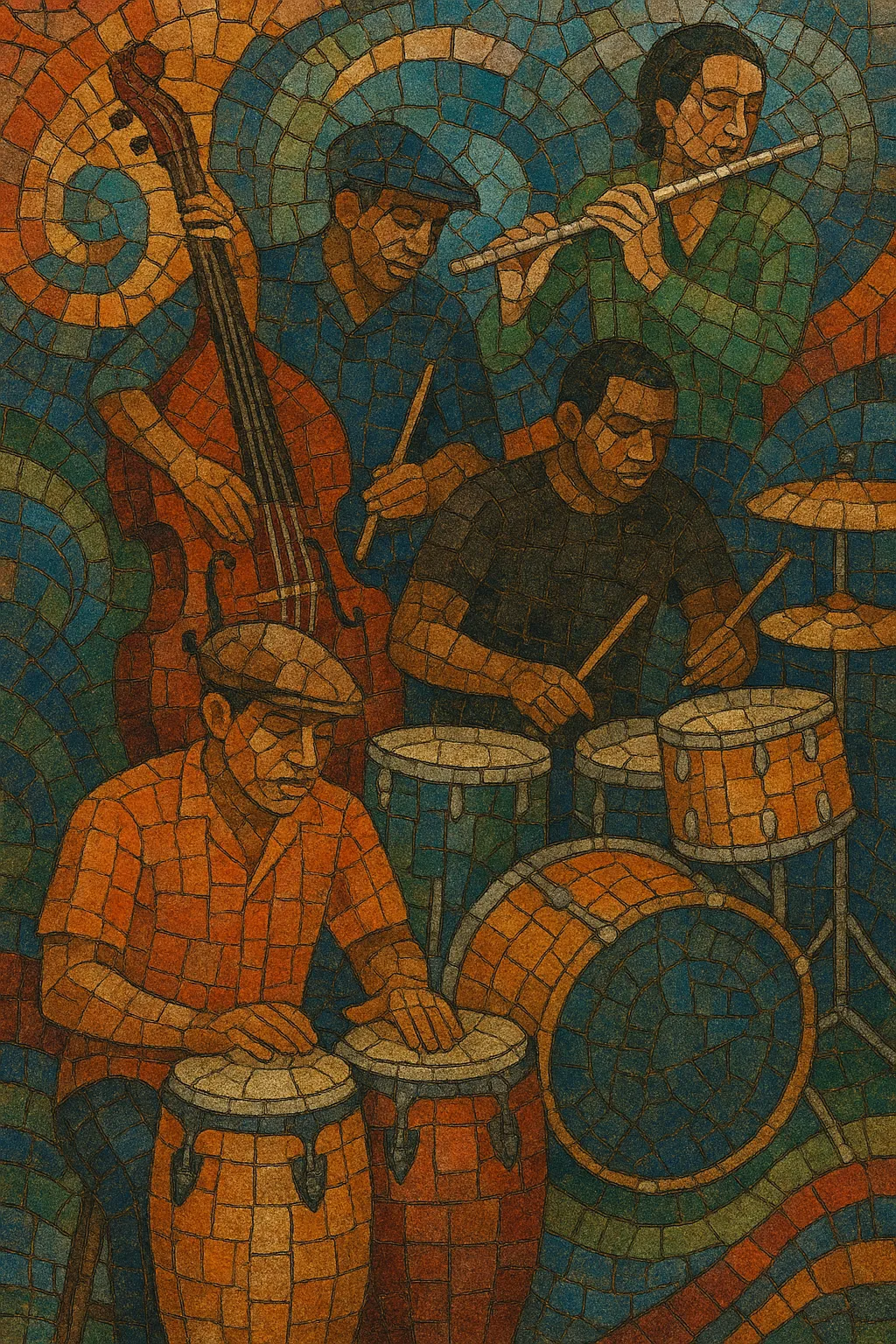
Rhythmically, it is defined by a drumset pattern that interlocks with congas, timbales, bongó/campana, and the 3–2 or 2–3 clave (often rumba clave), creating a buoyant, syncopated groove designed for social dancing. Harmonically, songo leans on cyclical vamp-based progressions and piano montunos, while arrangements feature coro‑pregón call‑and‑response and dynamic textural shifts.
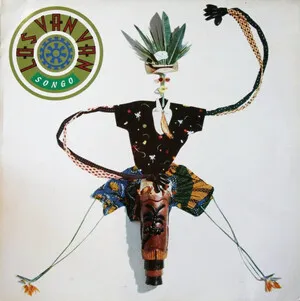
Pioneered by Los Van Van under bandleader Juan Formell with drummer José Luis “Changuito” Quintana, songo embraced electric bass, synthesizers, and studio innovation. It became a cornerstone of post‑revolution Cuban popular music and a direct ancestor of timba, while also informing salsa and Latin jazz rhythm sections.

History
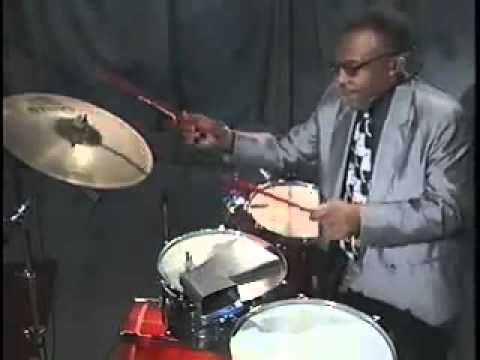
Songo emerged in Cuba at the turn of the 1970s, primarily through Los Van Van, founded by bassist-composer Juan Formell. Seeking a fresh urban dance sound after the son, cha-cha-chá, and charanga eras, Formell modernized instrumentation with electric bass and keyboards, while José Luis “Changuito” Quintana developed a new drumset approach that integrated Afro‑Cuban percussion with funk/rock phrasing. Drawing from son montuno, rumba (especially guaguancó), conga/comparsa traditions, and the charanga format, the band crystallized the hybrid groove that became known as songo.
Other charangas such as Orquesta Ritmo Oriental and Orquesta Revé adopted and adapted songo, spreading the style across Cuban dance floors and radio. The rhythmic language—clave-centered but drumset-forward—codified a new way for bass and kick drum to lock with tumbao, while piano montunos and coro‑pregón remained central. Studio production embraced synthesizers, expanded percussion, and pop-savvy arrangements, which helped songo resonate with younger audiences and influence salsa circles abroad.
Songo directly seeded timba in the 1990s, as bands pushed songo’s harmonic, rhythmic, and structural innovations into even more explosive, gear‑shifting forms. Its drumset-and-percussion concept reshaped Latin jazz rhythm sections and informed salsa arrangers who incorporated songo grooves. Today, songo remains a core reference in Cuban popular music pedagogy and performance, its hallmark interlocking rhythms and modern charanga palette continuing to inspire bands worldwide.