Your digging level

For this genre
0/8
🏆
Sign in, then listen to this genre to level up

Description

Pilón is a Cuban dance-music genre that emerged in the 1950s and was named after the coastal town of Pilón in eastern Cuba. Its core rhythmic idea imitates the motions and sounds of pounding sugarcane with baton-like tools, translating that physical gesture into a buoyant, driving groove.

Musically, pilón blends the conjunto/charanga palette (bass, piano, percussion, horns, and vocals) with a distinctive textural hallmark: simultaneous piano and electric‑guitar guajeos (repeating ostinati). The guitar typically states a simplified version of the piano’s pattern, creating a layered interlock over son clave. Percussion (congas, bongó, timbales, campana/cowbell, and hand shakers) articulates a crisp, work‑song‑derived pulse, while call‑and‑response coros and a montuno section energize the dance floor.


Sources: Spotify, Wikipedia, Discogs, RYM, MB, user feedback and other online sources

History

Roots and Emergence (1950s)

Pilón arose in eastern Cuba (Oriente/Granma provinces) during the 1950s, taking its name from the town of Pilón on the island’s southern coast. Musicians adapted the cyclic, interlocking feel of work motions—specifically the communal pounding of sugarcane—into a dance groove. The result kept the structural DNA of son cubano (clave logic, montuno vamp, coro‑pregón vocals) but introduced a novel textural layer: the tandem of piano and electric‑guitar guajeos.

Popularization

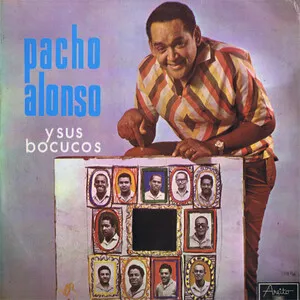
Composer, percussionist, and bandleader Enrique Bonne helped codify the rhythm toward the end of the decade, and the style quickly reached a national audience through orchestras rooted in the East. Pacho Alonso y sus Bocucos popularized the form with hits such as “El Pilón,” turning the groove into a recognizable dance craze.

Musical Traits and Dance

In contrast to mambo’s brass-driven punch or cha‑cha‑chá’s sleek glide, pilón emphasizes a grounded, kinetic pulse that mirrors work‑song movement. The bass tumbao and cowbell patterns lock the groove in 4/4, while the simplified guitar guajeo shadows the piano’s more syncopated figure. Dancers respond with steps that echo the pounding gesture—compact, propulsive, and communal.

Legacy and Influence

Pilón’s guajeo layering and percussion feel fed directly into the rhythmic experimentation of the late 1960s and 1970s in Cuba, informing the emergence of songo and later timba. Though its original craze was mid‑century, pilón remains a reference point for Cuban bands looking to evoke Oriente roots within contemporary salsa and timba arrangements.

How to make a track in this genre

Groove and Clave
•   Write in 4/4 with a clear son clave (either 3–2 or 2–3). Keep the percussion locked to the clave so all parts interlock. •   Model the basic rhythmic drive on a steady, grounded pulse that evokes “pounding” motions—accents often reinforce beat 1 and mid‑bar pushes without losing the cyclical flow.
Rhythm Section
•   Percussion: conga(s) with a steady tumbao, bongó, timbales for fills and bell figures, and a campana (cowbell) for the time line. Add maracas/güiro for sheen. •   Bass: a syncopated son-style tumbao centered on chord tones, anticipating beat 1 and leaving space for the piano.
Guajeos (Piano and Guitar)
•   Piano: craft a repeating guajeo that outlines the harmony with syncopated anticipations (typical son language). Use two- to four-bar cycles. •   Electric guitar: double a simplified version of the piano guajeo (fewer notes, straighter rhythm) to create the signature pilón interlock.
Harmony and Form
•   Favor diatonic progressions (I–IV–V, I–V–IV, or ii–V–I) in major; brief modal color or secondary dominants add zest. •   Arrange a verse–montuno flow: start with a canción-like verse, then open into a montuno with coro–pregón (call‑and‑response) and instrumental mambos.
Melody, Lyrics, and Arranging
•   Melodies are concise and rhythmic, tailored to dancing. Coros are catchy and repetitive to drive the montuno. •   Lyrics often reference everyday life, work imagery (pounding sugarcane), and community celebration. •   Horns (trumpets/trombones or charanga flute/violins) punctuate with short mambos and answer the vocals. Keep textures lean so the piano–guitar guajeo pairing remains audible.

Best playlists

Top tracks

Locked
Share your favorite track to unlock other users’ top tracks

Upcoming concerts

in this genre
Influenced by
Has influenced

Download our mobile app

Get the Melodigging app and start digging for new genres on the go
© 2026 Melodigging
Melodding was created as a tribute to Every Noise at Once, which inspired us to help curious minds keep digging into music's ever-evolving genres.
Buy me a coffee for Melodigging