Your digging level
Description
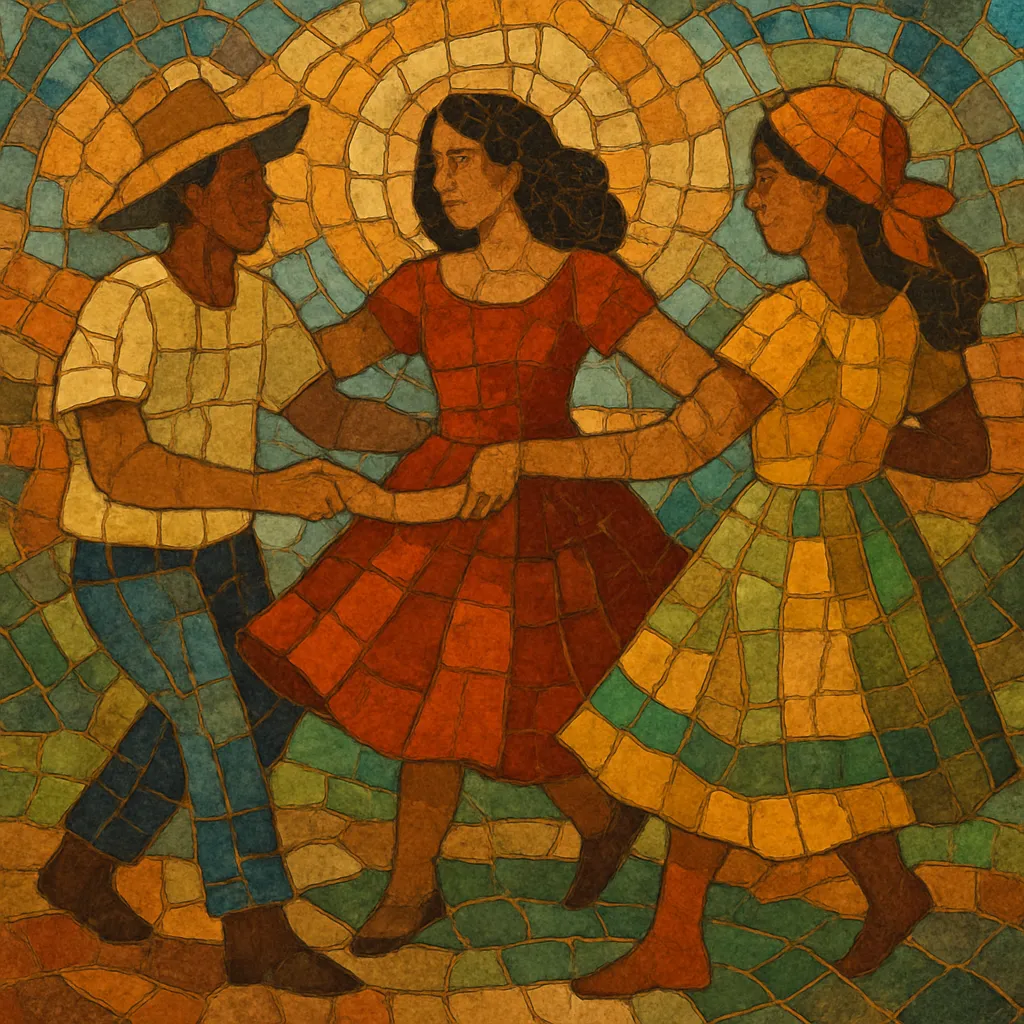
Ciranda is a traditional circle-dance song form from the northeastern coast of Brazil (especially Pernambuco), performed by singers and percussionists while participants hold hands and move in a large circle along the beach or town squares.
Musically, ciranda is slow and steady, with an understated, rocking pulse that supports call-and-response singing between a lead voice (mestre) and the chorus. Verses are typically long and organized into quatrains, and the lyrical themes are often limited to love and affection, in keeping with its communal and celebratory setting.
Its timbre is dominated by hand percussion (zabumba/surdo, caixa/tarol, pandeiro, ganzá, triângulo) with occasional melodic support from flute or accordion. The atmosphere is inclusive and processional: the song’s cadence invites everyone to keep circling and singing together.
History
Ciranda likely took shape in the 1800s among fishing and working communities on Pernambuco’s coast, where people would gather on the sand to sing, drum, and dance in a circle. Its participatory format, call-and-response structure, and reliance on portable percussion reflect everyday communal music-making and the rhythms of coastal work and leisure.
Through the early 1900s, ciranda became a recognized local style distinct from related northeastern forms such as coco and maracatu. Leaders (mestres) stabilized the slow, even gait suited to circular movement and codified the quatrain-based, often lengthy verses. Thematically, cirandas tended to focus on love—tender, nostalgic, and romantic images appropriate to communal serenading—and on local places and people.
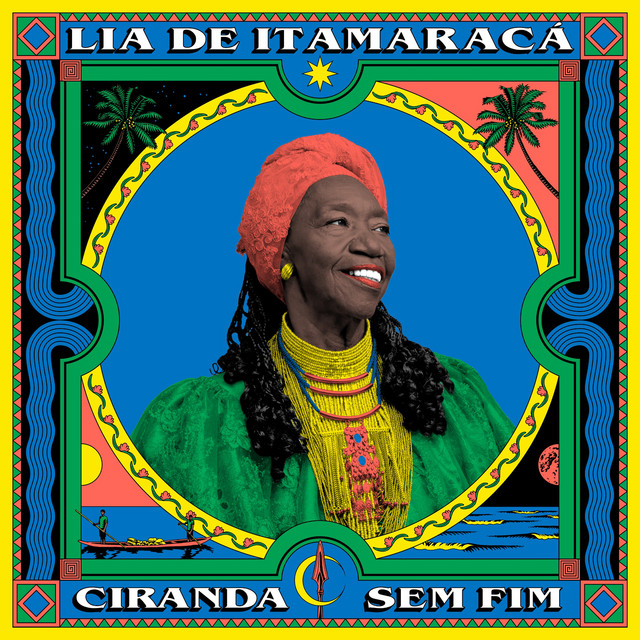
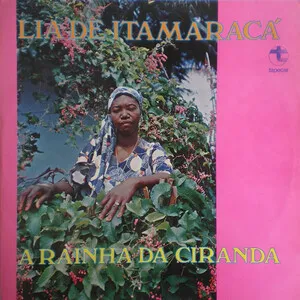
By the mid-to-late 20th century, ciranda entered the recording world and regional radio. Masters such as Baracho (Antônio Baracho) and, later, Lia de Itamaracá—celebrated as the “Queen of Ciranda”—brought the genre to national attention. Performers and researchers helped document repertoire and practices, ensuring transmission to younger generations.
In the 1990s and 2000s, Recife’s broader scene (including mangue beat artists and MPB interpreters) referenced ciranda’s cadence and repertoire, recontextualizing its slow, collective sway inside modern arrangements. Festivals on Itamaracá and across Pernambuco continue to showcase ciranda, while younger mestres and ensembles sustain the circle-dance tradition and its characteristic long, love-focused verses.
Ciranda’s defining traits—slow tempo, long quatrain stanzas, and a call-and-response led by a mestre—serve the choreography of a hand-in-hand circle. The percussion framework keeps a gentle but insistent pulse that welcomes singers and dancers of all ages to join, making ciranda both a musical performance and a lived social ritual.