Your digging level
Description
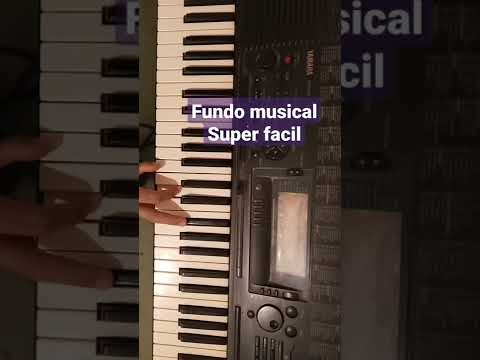
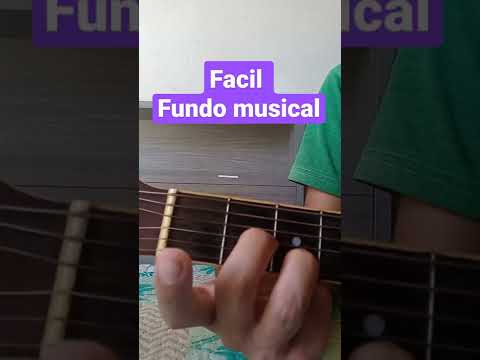
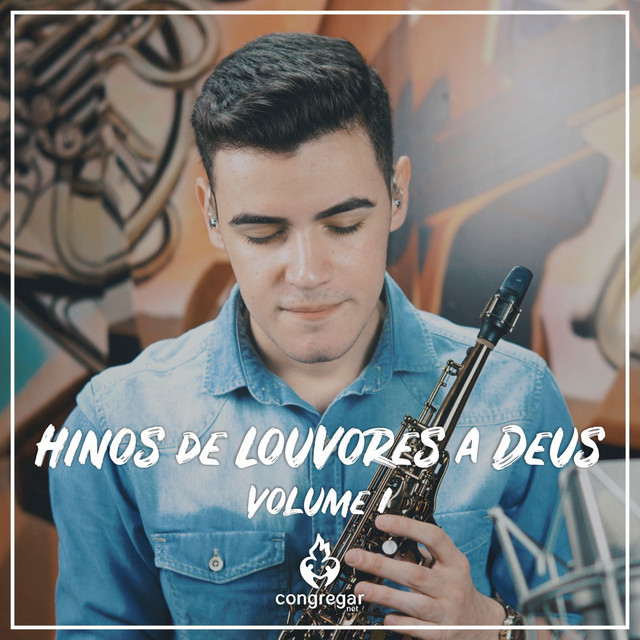
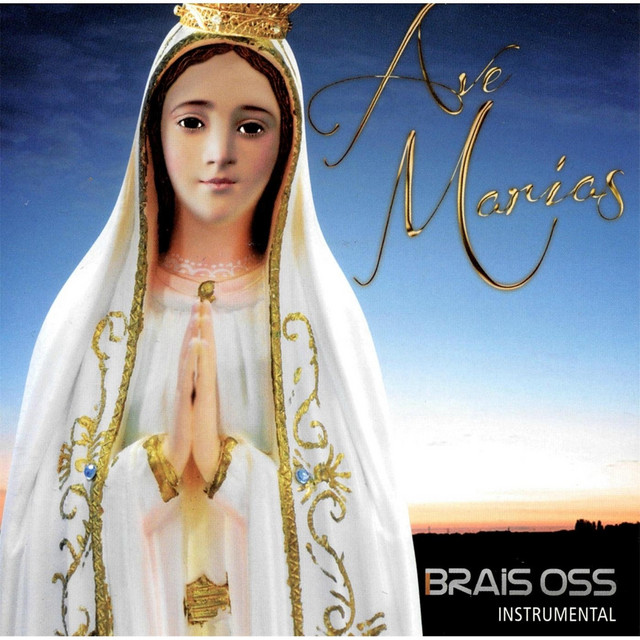
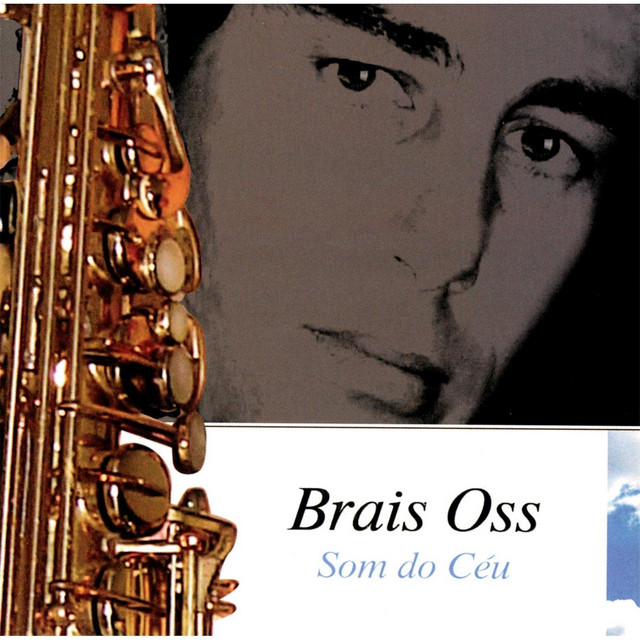
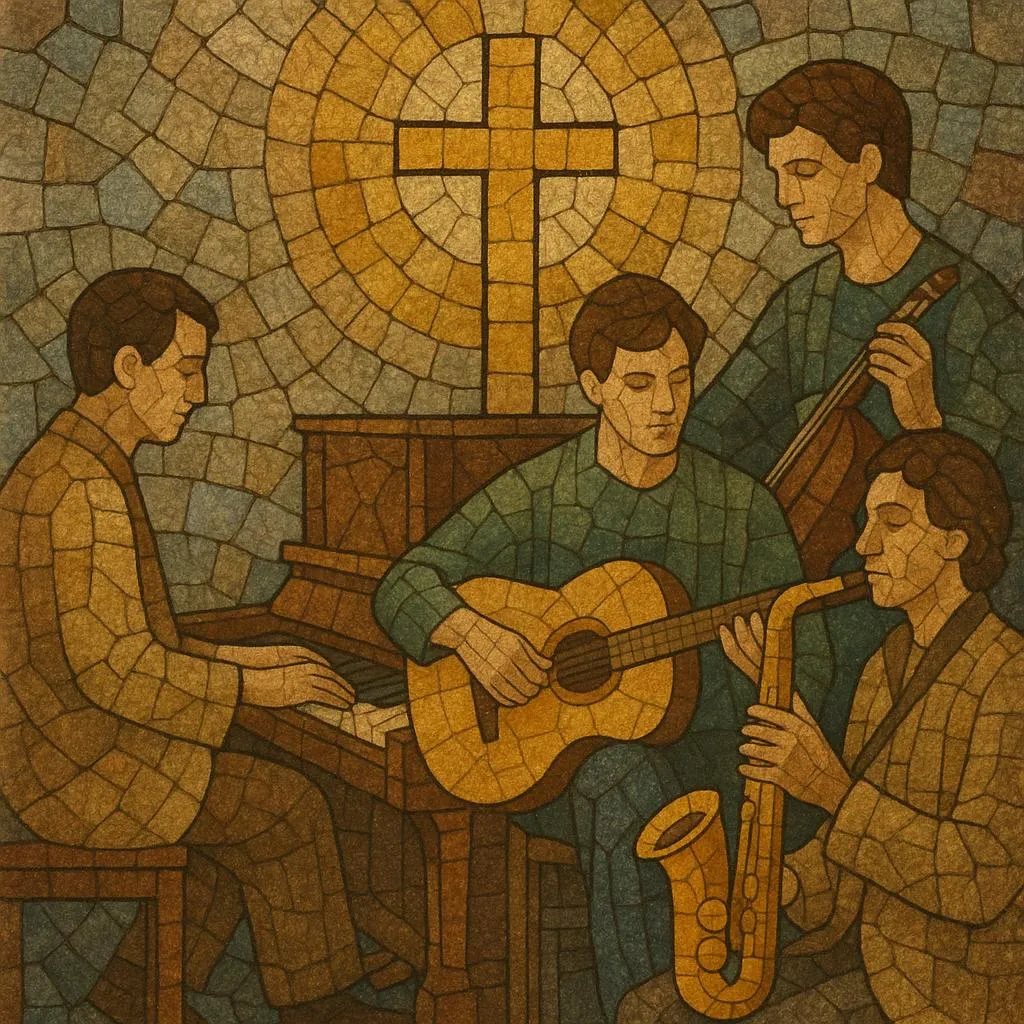
Musica evangélica instrumental is the Brazilian (and wider Latin) Christian worship tradition performed without vocals. Arrangers and church musicians adapt well‑known hymns and contemporary praise songs for piano, guitar, saxophone, strings, small ensembles, and church orchestras.
The style emphasizes devotional atmosphere over virtuoso display: warm timbres, lyrical melody, diatonic harmonies with gentle gospel colorations (add2, sus4, 7ths/9ths), and unobtrusive rhythms. It is commonly used during prayer moments, offertories, weddings, and as background listening for study and meditation, especially in evangelical and pentecostal contexts.
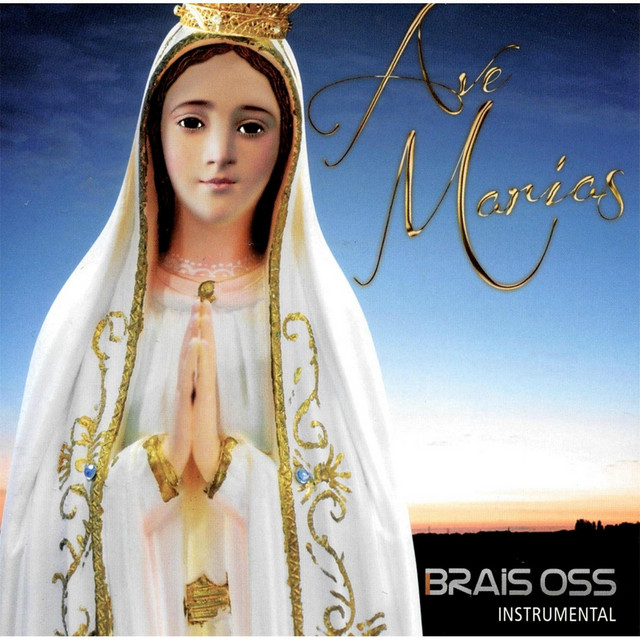
Since the 2000s the genre has flourished on CDs/streaming and YouTube, where “louvor instrumental” playlists present soft, reverberant renditions of Harpa Cristã hymns and contemporary worship choruses.
History
Brazil’s evangelical and pentecostal boom created demand for worship music suited to services and private devotion. Beyond sung congregational repertoire, church pianists, guitarists, saxophonists, and ad‑hoc ensembles began recording instrumental versions of Harpa Cristã hymns and imported contemporary Christian music (CCM). Cassette and later CD releases circulated through churches, bookstores, and radio, offering reverent, text‑free accompaniment for prayer and ceremony.
Professional arrangers and session players standardized a mellow, spacious production aesthetic: piano or nylon‑string guitar with strings/pads, expressive sax/violin leads, understated percussion, and gospel‑inflected reharmonizations. Independent labels and church orchestras issued albums specifically branded as “louvor/adoração instrumental,” broadening the audience beyond sanctuary use to home listening and weddings.
YouTube and streaming platforms supercharged the niche. Channels dedicated to “música evangélica instrumental” curate long, uninterrupted playlists optimized for study, relaxation, or quiet time. Repertoires now blend classic hymns, global worship standards translated to Portuguese/Spanish, and original devotional themes. The style has also informed adjacent micro‑genres like piano worship and Christian lo‑fi, while remaining a staple of evangelical soundscapes across Brazil and the Latin diaspora.