Your digging level
Description
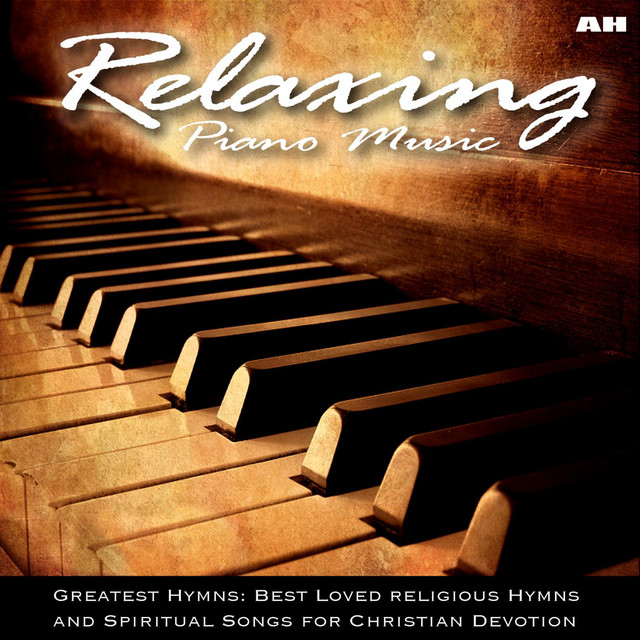
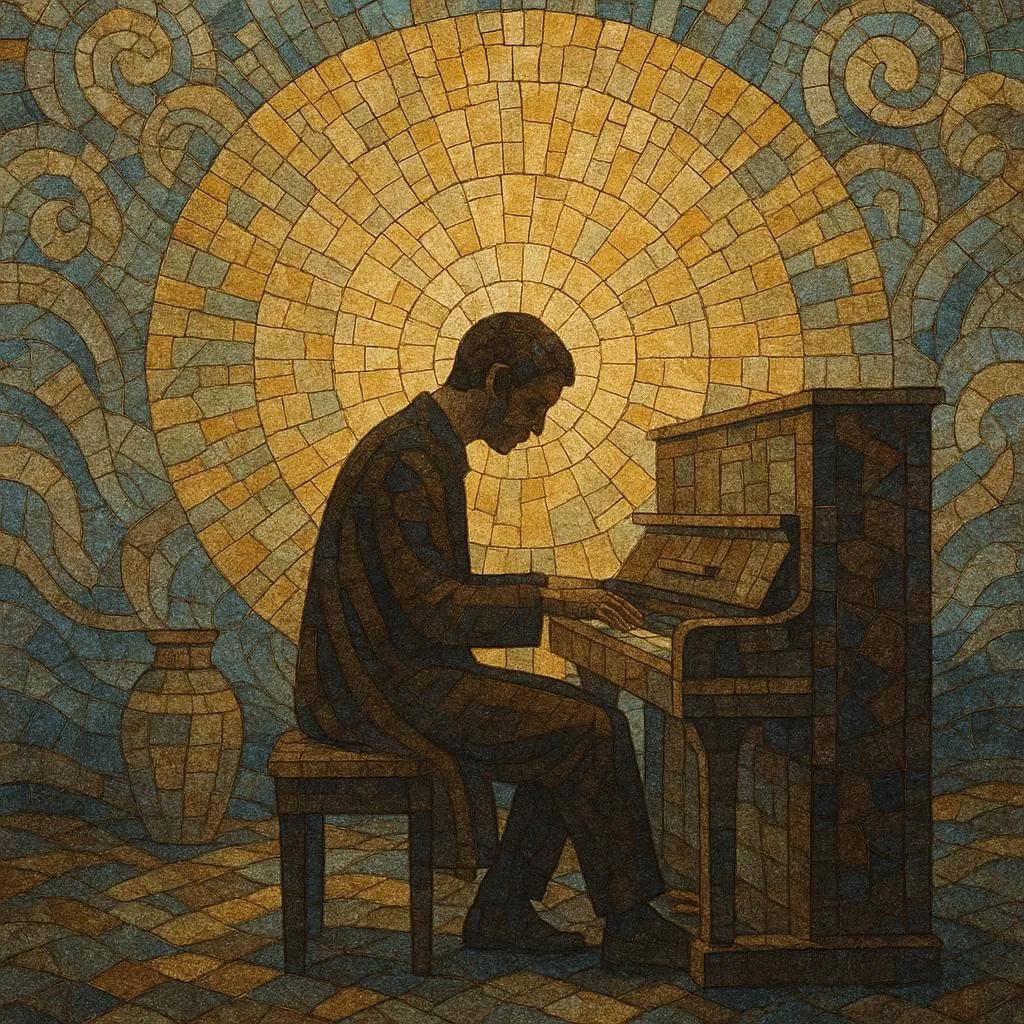
Piano worship is a devotional substyle of contemporary Christian music focused on solo (or piano‑led) instrumental renditions of worship songs and hymns. It emphasizes a calm, prayerful atmosphere suitable for personal devotion, church services (preludes, communion, altar calls), study, and reflection.
Arrangements typically keep the original worship melodies singable while reharmonizing them with gentle, consonant chords, subtle suspensions, and flowing arpeggios. Tempos are moderate to slow, dynamics are carefully shaped, and liberal use of sustain and rubato creates a warm, contemplative space. Production often favors intimate piano tones (felt/soft pedal), light ambience, and natural reverb to evoke a sense of reverence.
History
Piano worship grew out of the broader praise & worship movement that surged in North American churches in the 1990s. As congregational worship repertoires expanded beyond traditional hymnody, pianists began adapting both classic hymns and modern worship choruses into reflective, standalone piano pieces. Early adopters drew on classical piano technique and new age/ambient aesthetics to craft gentle, prayerful interpretations.
With the rise of streaming platforms and YouTube in the 2010s, piano worship flourished as a distinct listening category. Hour‑long medleys and live‑looped prayer sessions found large devotional audiences seeking unobtrusive, sacred background music. Curated “soaking,” “quiet time,” and “instrumental worship” playlists normalized the piano‑centric devotional sound for private and corporate use.
Churches increasingly used piano worship for service transitions, communion, and altar ministry, while individuals adopted it for Bible study, journaling, and rest. Publishers and arrangers released graded hymn/worship piano books, easing access for church pianists of varying skill levels.
The style spread beyond the United States through online pedagogy, sheet‑music marketplaces, and livestream prayer rooms. Today, piano worship coexists with guitar‑ and pad‑led ambient worship, but remains distinctive for its melody‑forward, hymn‑honoring approach and intimate acoustic focus.