Your digging level
Description
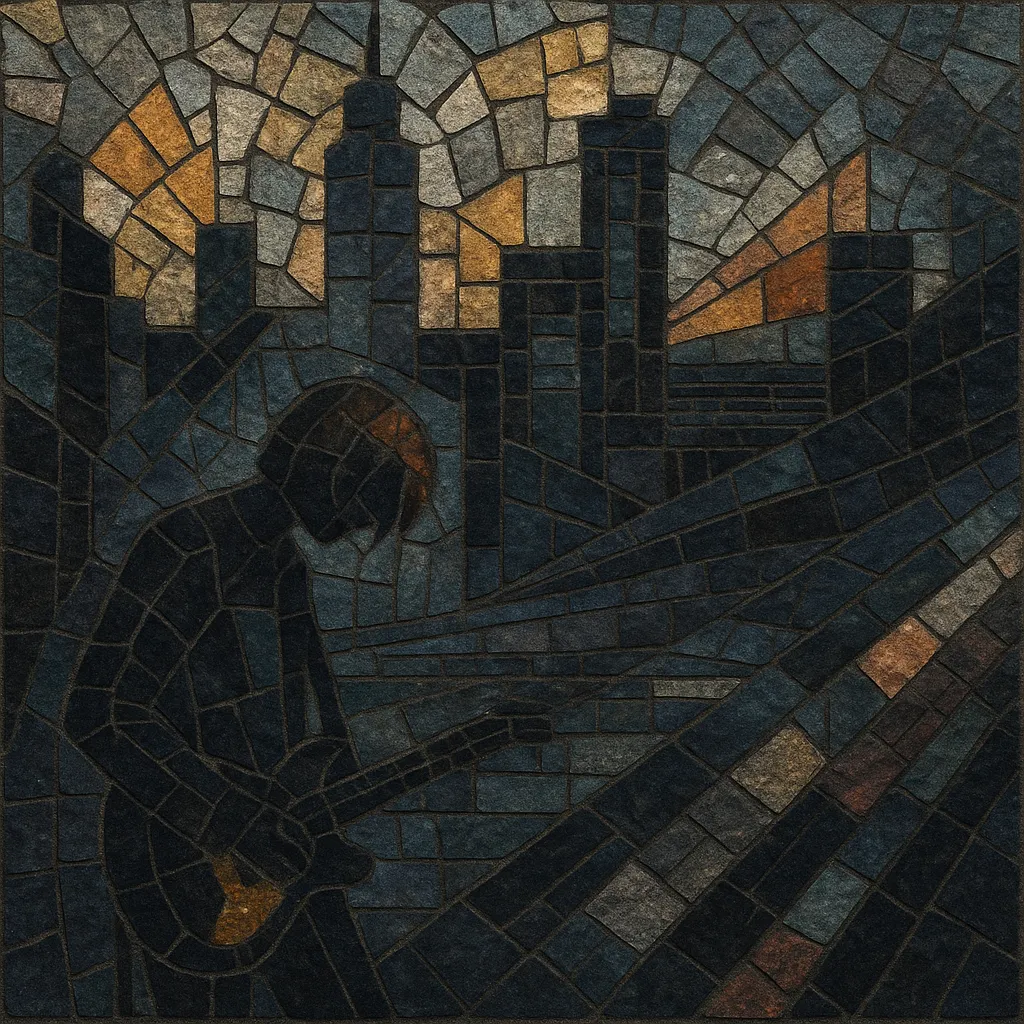
New York shoegaze is a regional strain of shoegaze and dream pop rooted in the New York City indie and noise scenes. It blends the classic wall-of-sound guitars and soft, distant vocals with the city's distinctive post‑punk grit and DIY noise ethos.
Compared to UK-origin shoegaze, the New York variant is often more rhythm-forward, with tighter basslines, sharper drum programming or live drums, and pedalboard-driven textures informed by the city's bustling, concrete ambiance. It commonly incorporates elements of noise rock and post‑punk minimalism, resulting in a darker, more angular, and club-adjacent take on a traditionally hazy sound.

History
While shoegaze first bloomed in the UK in the early 1990s, New York developed parallel ingredients: downtown noise rock, post‑punk, and dreamier indie acts. Bands like Blonde Redhead flirted with gauzy guitars and textural density, setting the stage for a local appetite for reverb-saturated, noise-leaning pop.
In the 2000s, the city's modern shoegaze identity cohered. Asobi Seksu fused melodic dream pop with towering guitar wash, while A Place to Bury Strangers pushed the volume, distortion, and strobe-lit ferocity associated with the NYC live circuit. The Depreciation Guild introduced chiptune textures into shoegaze, reflecting the scene's experimental, tech-friendly streak.
The 2010s saw broader visibility via Brooklyn's DIY ecosystem (venues like Death By Audio, Glasslands, and Market Hotel). DIIV brought jangly, hypnotic guitar loops into a dream-pop-meets-post‑punk framework, and The Pains of Being Pure at Heart bridged indie pop with feedback-smeared shimmer. Local pedal makers and boutique studios reinforced a culture of hands-on sound design.
By the 2020s, New York shoegaze was a recognized micro‑scene with international connections. New acts coexisted alongside veterans, while Bandcamp, boutique labels, and pedal communities helped codify the NYC flavor: bass-and-beat clarity under thick guitar layers, nocturnal moods, and a live intensity forged in small, loud rooms.