Your digging level

For this genre
0/8
🏆
Sign in, then listen to this genre to level up

Description

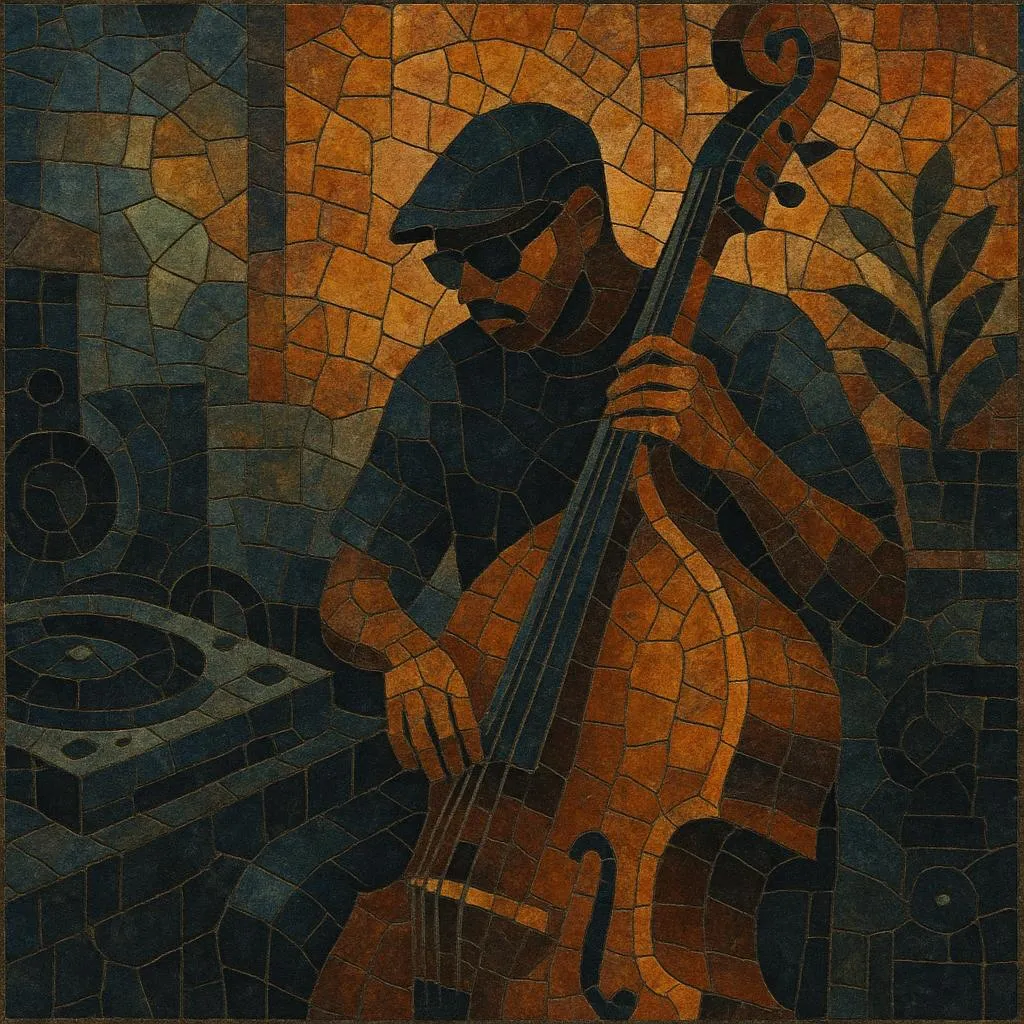
Bass trip is a laid‑back, bass‑forward strand of hip hop and downtempo that foregrounds warm, melodic low end, head‑nodding breakbeats, and jazzy harmony. Its palette tends to blend boom‑bap drum programming, live or sampled upright/electric bass, Rhodes/electric piano, muted horns, and subtle turntable textures.

The style often feels intimate and cinematic at once: dusty, sampled drum loops and vinyl patina meet deep, rounded sub‑bass lines and chord‑rich progressions. Vocals, when present, lean toward smooth rap verses or neo‑soul inflections; many tracks are instrumental beat sketches with strong song form and memorable bass motifs.


Sources: Spotify, Wikipedia, Discogs, Rate Your Music, MusicBrainz, and other online sources

History

Roots (early–mid 1990s)

Bass trip emerges from the convergence of boom‑bap hip hop production, acid jazz’s live‑band sensibility, and UK/European downtempo’s atmospheric pacing. Producers adopted the hip hop ethos of sampling breaks and jazz records, but prioritized a rounded, melodic low‑end as the music’s focal hook.

Consolidation (late 1990s–2000s)

Through the late 1990s and early 2000s, beatmakers refined a signature balance: swingy breakbeats at moderate tempos (roughly 80–100 BPM), lush extended chords (7ths, 9ths, 11ths), and bass lines that function like lead melodies. Independent labels and compilations helped circulate this sound alongside adjacent trip‑hop, nu‑jazz, and jazz‑rap scenes.

Modern developments (2010s–present)

As the global beat scene and instrumental hip hop gained traction, bass trip aesthetics fed into lo‑fi hip hop and chill‑oriented playlists, where warm subs, muted drums, and jazz harmony remain central. Collaborations with neo‑soul vocalists and live rhythm sections remain common, while contemporary producers fuse classic crate‑digging with clean, modern low‑end design.

How to make a track in this genre

Tempo, groove, and rhythm
•   Aim for 80–100 BPM with a relaxed pocket and subtle swing. •   Build drums from layered, dusty break samples; reinforce with a tight kick that leaves room for sub‑bass. •   Use ghost notes on snare/hat and humanized timing for a lived‑in feel.
Harmony and melody
•   Favor jazz‑leaning progressions (7ths/9ths/11ths, modal interchange, ii–V motion). •   Let the bass carry singable motifs; think of the bass line as a lead voice. •   Rhodes, Wurlitzer, guitar comping, and muted horns add color; sprinkle sparse melodic hooks.
Sound design and texture
•   Pair rounded sub‑bass (sine/triangle with soft saturation) with a lightly saturated kick. •   Employ vinyl crackle, room noise, and gentle tape or bus compression for cohesion. •   Low‑pass or band‑limit samples to create warmth and leave headroom for the bass.
Arrangement and space
•   Keep forms concise: intro motif → groove → A/B sections → breakdown → return. •   Use call‑and‑response between bass and keys; drop elements to spotlight the low end. •   If adding vocals, favor understated, intimate deliveries (smooth rap or neo‑soul).
Production tips
•   Sidechain bass subtly to the kick to maintain punch without pumping. •   Carve a bass pocket (30–120 Hz) and notch competing instruments. •   Bus‑glue drums and chords; leave the master dynamic, not over‑limited.

Top tracks

Locked
Share your favorite track to unlock other users’ top tracks
Influenced by
Has influenced
Challenges
Digger Battle
Let's see who can find the best track in this genre

Download our mobile app

Get the Melodigging app and start digging for new genres on the go
© 2026 Melodigging
Melodding was created as a tribute to Every Noise at Once, which inspired us to help curious minds keep digging into music's ever-evolving genres.
Buy me a coffee for Melodigging