Your digging level
Description
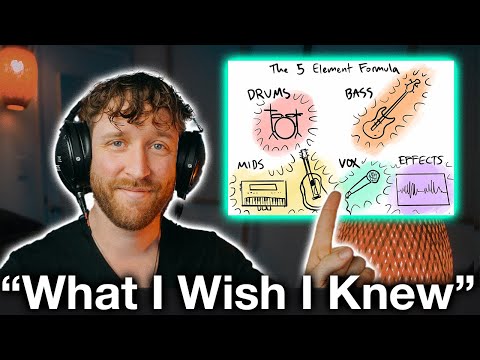
Beats is a loose, producer-driven category for rhythm-forward instrumentals built around hip‑hop drum patterns without necessarily being rap songs or featuring vocals.
It functions as an umbrella for stock, "type," and backing tracks used by rappers, singers, streamers, and content creators, spanning boom‑bap swing to trap hi‑hat grids and R&B‑leaning grooves. On streaming platforms it often appears as standalone instrumentals packaged by tempo, mood, or artist style (e.g., “trap type beat,” “R&B instrumental,” “club beat”), prioritizing portability and utility over artist identity.
While rooted in hip‑hop production aesthetics—kicks, snares, 808s, chopped samples—Beats blends downtempo, electronic, and contemporary R&B sensibilities, aiming for clarity, loopability, and immediate vibe.



History
Instrumental hip‑hop and producer showcases (from boom‑bap to left‑field beat tapes) laid the foundation for a market of stand‑alone tracks meant to be rapped or sung over. The rise of affordable DAWs, drum machines, and sample libraries democratized beatmaking and normalized sharing “beats” as finished products.
YouTube, SoundCloud, and beat marketplaces (e.g., leasing ecosystems) formalized tags like “type beat,” “club beat,” or “R&B instrumental.” Producers began optimizing titles, BPMs, and keys for searchability, and packaging instrumentals by use case (freestyles, showcases, sync, content beds). Streaming playlists labeled simply “Beats” made the category legible to general listeners.
Beats retained hip‑hop’s rhythmic DNA—kicks/snares on grid, 808 subs, hi‑hat patterns—but expanded into lush R&B chords, downtempo textures, and electronic sound design. Sub-niches emerged: aggressive trap beats, soulful R&B instrumentals, lo‑fi study beats, cinematic drill beds, and glossy pop‑rap backings.
Beats now sits between utility music and producer artistry: it’s a marketplace product for vocalists and a listening format for audiences seeking mood‑based instrumentals. Its workflows influence pop, R&B, sync libraries, and creator economies, while continuing to evolve with new drum programming, sound kits, and platform trends.







![[FUN]tronica](/placeholders/vinyl-1.png)