Your digging level
Description
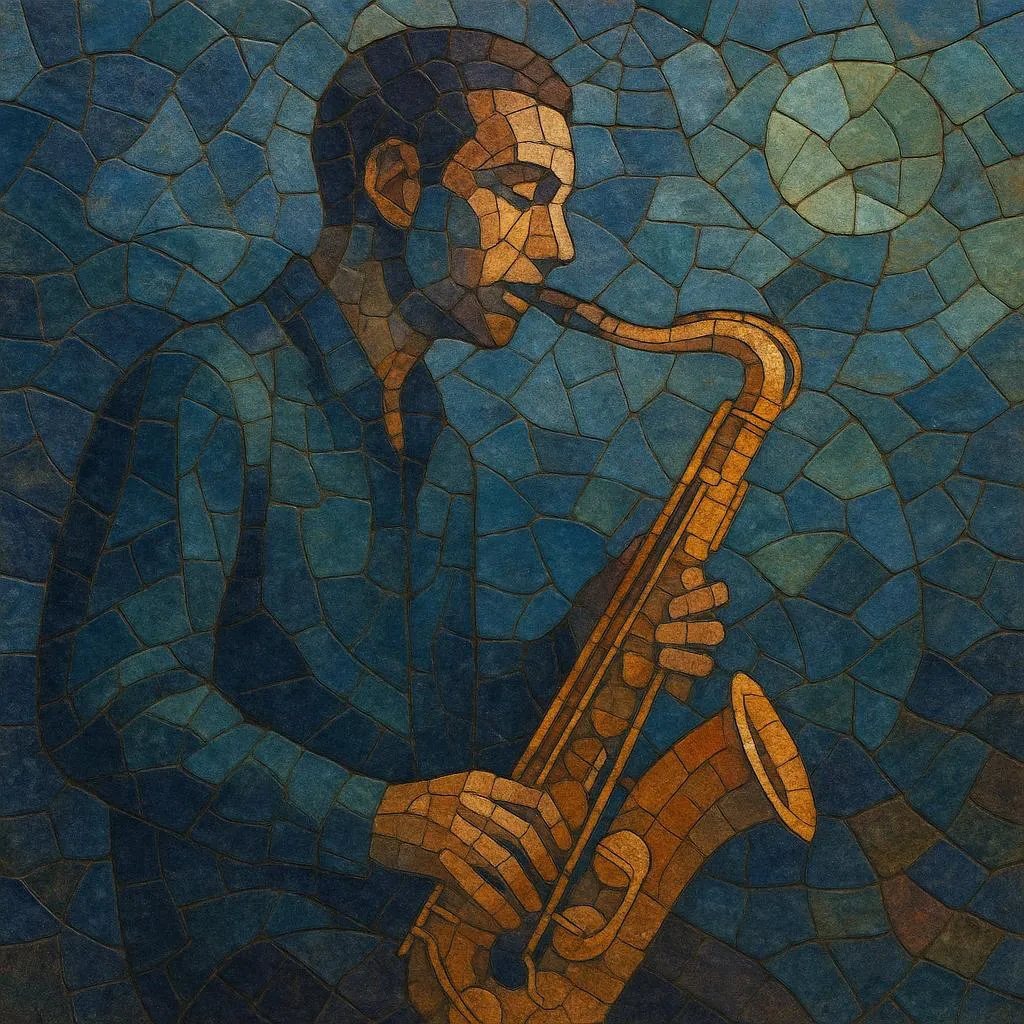
Ambient jazz is a hybrid style that merges the improvisational language and harmonic color of jazz with the spacious, texture-focused aesthetics of ambient music.
It typically emphasizes atmosphere over virtuoso display, using slow tempos, long sustains, soft dynamics, and studio treatments (reverb, delay, tape/loop techniques) to create a floating sound field.
Performances often feel meditative and cinematic, with jazz elements appearing as gentle melodic fragments, sparse solos, or extended chords rather than fast swing or dense bebop lines.
History
Ambient jazz traces back to the 1970s when jazz musicians and producers increasingly explored space, sustain, and studio ambience.
Developments in electric keyboards, effects processing, and more “produced” jazz recordings helped shift attention from club energy to immersive listening.
In the 1980s and 1990s, the crossover between ambient and jazz expanded through both ECM-associated “spacious” production and the rise of electronic/loop-based composition.
Artists experimented with quieter improvisation, slower forms, and timbral blending (synth pads with acoustic instruments), making the genre more recognizable.
From the 2000s onward, ambient jazz became a flexible umbrella for scenes connected to modern ambient, chillout, minimalism, and experimental jazz.
It is now common in film/TV/game scoring contexts and in streaming-era playlists focused on concentration, late-night listening, or calm atmospheres.
Use a small jazz core (sax/trumpet/guitar/piano/bass/drums) but keep the palette airy.
Add ambient layers via synth pads, e-bow guitar, soft electric piano, field recordings, or granular/tape textures.
Use spacious effects (long reverb, tempo-synced delay) and avoid overly bright, dry sounds.
Prefer slow to moderate tempos, or even pulse-less sections.
If drums are used, favor brushes, mallets, rim clicks, or sparse patterns; leave large gaps.
Consider subtle electronic percussion or drones that imply time without pushing it.
Lean on extended jazz harmony (maj7, m9, sus, add11/13) and modal centers.
Keep harmonic rhythm slow; let chords breathe for multiple bars.
Melodies should be fragmentary and lyrical, often repeating with small variations rather than continuous bebop lines.
Treat improvisation as “tone storytelling”: prioritize phrasing, breath, and timbre over density.
Use motivic improvisation (short motifs developed gradually) and dynamic restraint.
Record multiple takes and layer understated lines to build depth without clutter.
Build pieces as evolving soundscapes: intro drone → gentle theme → sparse solo → textural swell → return to calm.
Use gradual transitions (crossfades, filtering, reverb tails) instead of hard section cuts.
Leave headroom and keep compression gentle to preserve natural dynamics.
Use stereo space deliberately: place drones wide, keep the lead voice centered, and automate reverb/delay to create movement.
If using loops, make them imperfect (tape wow/flutter, micro-timing drift) to preserve an organic jazz feel.