Your digging level
Description
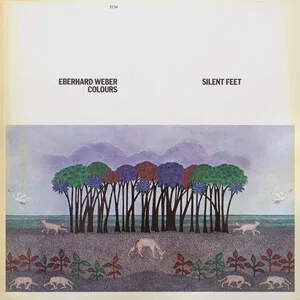
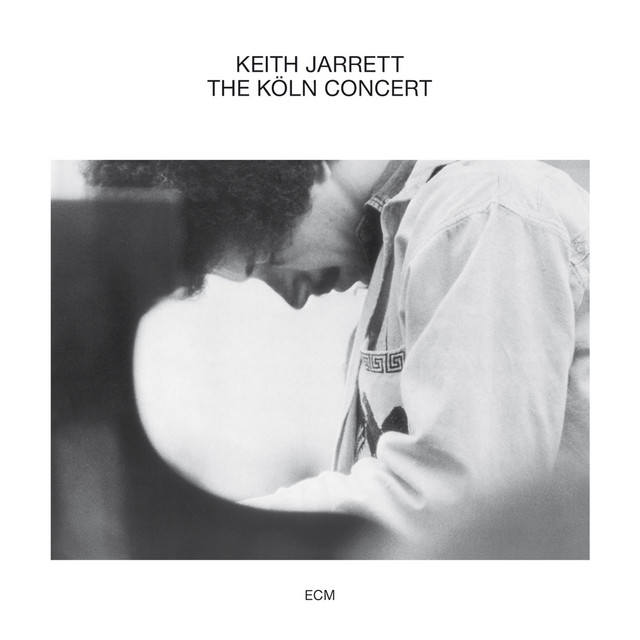
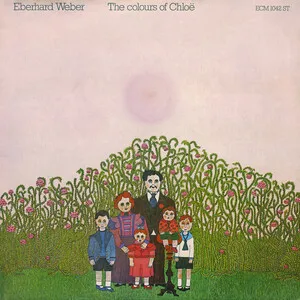
ECM style jazz refers to the spacious, chamber-like jazz aesthetic associated with the German label ECM (Edition of Contemporary Music), founded in 1969. The sound blends the restrained lyricism of Cool Jazz, the notated clarity and counterpoint of Third Stream/Western classical traditions, and the coloristic harmony and timbral exploration of Jazz Fusion.
Hallmarks include crystalline recording quality with pronounced room ambience, patient tempos, modal or pedal-point harmony, and a strong emphasis on tone, silence, and ensemble blend. Melodies often feel hymn-like or folk-inflected; rhythms drift between rubato openness and subtly grooving ostinati rather than hard backbeats. The result is contemplative, atmospheric jazz that can feel as close to contemporary classical and ambient music as it does to post-bop.
History
ECM style jazz crystallized in the early 1970s around Munich’s ECM Records under producer Manfred Eicher. Drawing on Cool Jazz subtlety, Third Stream’s chamber ideals, and the color and extended harmony of Jazz Fusion, the label prioritized audiophile production and a European chamber sensibility. Key sessions by European and American artists established a poetic, meditative approach marked by long decays, modal harmony, and attention to silence.
Through close partnerships with engineers and rooms (notably Jan Erik Kongshaug and Rainbow Studio in Oslo), ECM recordings developed a distinctive spaciousness: detailed stereo images, natural reverb, and dynamic range. The ECM "house sound" broadened to include pan-European folk colors, Middle Eastern and North African timbres, and contemporary classical grammar. The 1984 launch of the ECM New Series further tightened bonds between jazz improvisation and modern composition.
ECM style jazz matured into a dialog between improvisation and notation, often featuring chamber strings, early-music ensembles, or folk instruments alongside jazz rhythm sections. Nordic, Central/Eastern European, and Mediterranean artists brought local modal language, lullaby-like melodies, and open forms, reinforcing the style’s reflective, transnational identity.
Today, ECM style jazz is a shorthand for a compositional, ambient, and architecturally recorded jazz—calm yet intense, painterly in timbre, and rigorous in form. Its influence reaches contemporary jazz scenes worldwide, ambient jazz and compositional ambient communities, and numerous projects that fuse improvisation with classical transparency and global folk motifs.