Your digging level
Description
Jazz violin is the practice of using the violin as a frontline improvising instrument within jazz ensembles. It combines the instrument’s lyrical, sustained tone and virtuosic bow technique with the rhythmic swing, blues vocabulary, and harmonic sophistication of jazz.
From its beginnings in early swing and hot jazz, the style grew to encompass bebop lines, chamber‑like textures, and amplified, effect‑driven approaches in jazz fusion. Hallmark techniques include swing phrasing, blues inflection, slides and portamento, double‑stops and drones for harmonic color, pizzicato for percussive accents, and modern “chopping” for rhythmic comping. In contemporary settings, violinists often use pickups, amplification, and pedals (delay, reverb, subtle overdrive) to cut through modern rhythm sections or to create atmospheric timbres.
The idiom spans elegant, dancing manouche swing, bop‑inflected small‑group jazz, ECM‑style chamber jazz, and electric fusion, while retaining the violin’s singing, vocal quality and the improviser’s conversational interplay with the ensemble.
History
Jazz violin emerged as jazz itself was coalescing. Joe Venuti, in partnership with guitarist Eddie Lang, set the template in the mid‑1920s with hot‑jazz small groups that proved the violin could swing with horn‑like authority. In Europe, the Quintette du Hot Club de France (founded 1934) elevated the idiom globally: Stéphane Grappelli’s elegant, buoyant solos intertwined with Django Reinhardt’s guitar in a cello‑free, drummer‑less string ensemble that defined the manouche/swing sound.
In the big‑band era, violinists such as Ray Nance with Duke Ellington brought the instrument into orchestral jazz, alternating between trumpet and violin features. Stuff Smith, known for his gritty tone and bluesy attack, pushed the violin toward a more aggressive, soloist‑forward role and foreshadowed bebop phrasing. Post‑war players began assimilating bop language—faster lines, extended harmony, and deeper chromaticism—while maintaining the violin’s lyrical core.
The 1960s–70s saw expanded roles for the violin in modal jazz, avant‑garde contexts, and electric fusion. Jean‑Luc Ponty, collaborating with Frank Zappa, the Mahavishnu Orchestra, and on his own albums (e.g., “Enigmatic Ocean”), popularized amplified, effects‑rich violin and virtuosic, guitar‑like soloing. In parallel, Zbigniew Seifert, John Blake Jr., and Michael Urbaniak fused bop vocabulary with European classical technique and global influences, helping establish the instrument within modern and free‑leaning jazz circles.
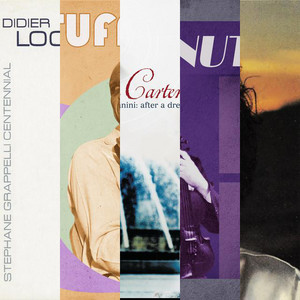
From the 1990s onward, artists such as Regina Carter, Didier Lockwood, Mark O’Connor, Sara Caswell, Christian Howes, and Adam Bałdych broadened the idiom: embracing chamber‑jazz subtlety, gospel and Afro‑Cuban grooves, American roots inflections, and sophisticated contemporary harmonies. Today, jazz violin thrives across manouche swing scenes, conservatory‑trained chamber‑jazz trios, and fusion bands, aided by high‑fidelity pickups and pedals, while maintaining a lineage that traces back to Venuti and Grappelli.