Your digging level

For this genre
0/8
🏆
Sign in, then listen to this genre to level up

Description

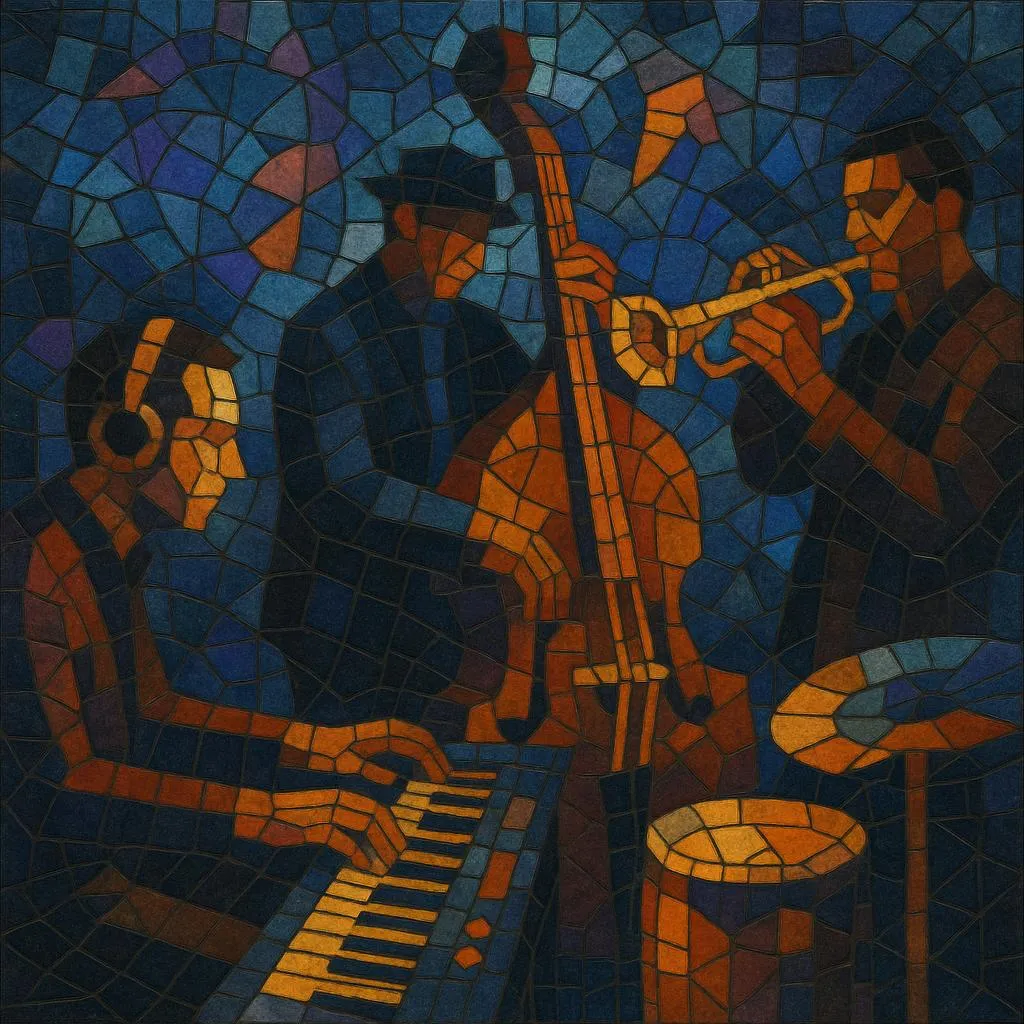
Electro‑jazz is a hybrid of modern electronic production and the vocabulary of jazz (swing or straight grooves, extended harmony, improvisation, and acoustic timbres). It typically blends drum‑machine patterns or sampled breakbeats with upright/electric bass, Rhodes or Wurlitzer electric piano, horns, and atmospheric synths.

The style ranges from downtempo, trip‑hop‑leaning tracks built around dusty jazz samples to house‑tempo cuts featuring live brass and keys riding a club‑ready beat. Hallmarks include lush seventh–thirteenth chords, modal vamping, syncopated basslines, tasteful solos processed with delays and reverbs, and a studio aesthetic borrowed from electronica and hip‑hop (sampling, loop construction, side‑chain compression, filter sweeps).

While often relaxed and cinematic, electro‑jazz can also be dance‑floor oriented, inheriting four‑on‑the‑floor kick patterns and arrangement logic from house while keeping melodic and harmonic language rooted in jazz.


Sources: Spotify, Wikipedia, Discogs, RYM, MB, user feedback and other online sources

History

Roots (1980s–1990s)

Electro‑jazz grew out of several converging currents: the club‑centric, groove‑first revival of jazz in London’s late‑1980s acid jazz scene; the sample‑based downtempo and trip‑hop movements that began folding classic jazz records into hip‑hop production; and the long arc of jazz fusion and electric jazz. As European electronica blossomed in the 1990s, producers and musicians increasingly paired drum machines and samplers with live keys, horns, and bass, shaping an aesthetic that prized both head‑nodding loops and jazz sophistication.

Expansion and codification (late 1990s–2000s)

By the late 1990s, German and Scandinavian circles (along with active UK and French scenes) helped codify a recognizably “electro‑jazz” sound: polished, harmonically rich, and studio‑sculpted, yet anchored by jazz performance practices. Independent labels and compilations popularized the sound in lounges, café culture, and boutique clubs, while live acts integrated laptops and samplers with small jazz ensembles. The term often overlapped with “nu jazz” and “jazztronica,” reflecting a broad spectrum from sample‑based downtempo to house‑tempo band recordings.

Globalization and cross‑pollination (2010s–present)

In the 2010s, two parallel developments shaped the style’s afterlife: (1) the lo‑fi/beat scene’s embrace of jazz chords and horn/keyboard textures within hip‑hop production frameworks, and (2) acoustic‑electronic hybrid bands refining onstage interplay between improvisers and electronics. Contemporary electro‑jazz remains a flexible umbrella—equally at home on intimate headphones playlists, late‑night dance floors, and festival stages—continually trading ideas with chillout, deep house, and modern jazz.

How to make a track in this genre

Tempo and groove
•   Downtempo/trip‑hop side: 80–105 BPM with swung or laid‑back quantization and roomy backbeats. •   House‑leaning side: 115–126 BPM with four‑on‑the‑floor kick, syncopated hi‑hats, and ghost‑note snares.
Harmony and melody
•   Use extended chords (maj7, min9, 13, altered dominants) and modal vamps (Dorian, Mixolydian) to keep grooves open for solos. •   Common progressions: ii–V–I variants, minor i–IV with color tones, or one‑chord modal designs to spotlight improvisation. •   Lead lines: sax/trumpet, electric piano riffs, or sampled horn phrases; phrase with call‑and‑response and space for reverb/delay tails.
Sound palette
•   Keys: Rhodes/Wurlitzer/CP‑70, soft analog pads, vibraphone or mallet samples. •   Bass: upright (mic’d or sampled), or warm synth bass with subtle saturation; walk, ostinato, or broken‑beat syncopation. •   Drums: layered breaks + electronic hits; blend acoustic kit overheads with electronic kick/snare, parallel compression for glue.
Production moves
•   Side‑chain kicks subtly to keys/pads for gentle pump on house‑tempo tracks. •   LPF/HPF filter sweeps on transitions; tape/console saturation for cohesion. •   Chop and resequence jazz samples tastefully; respect voice leading and avoid clashing with new harmonies.
Arrangement
•   Intro: texture or filtered loop → groove drop. •   A/B sections alternate between motif development and solo spots. •   Bridges use breakdowns (filter, delay, or beat‑mute) before full return; end with a vamp or a re‑harmonized tag.
Improvisation and performance
•   Capture real takes (horns, keys, guitar) over programmed rhythm; comp best phrases. •   Leave harmonic space (e.g., two‑chord vamps) for solos; ride automation to frame solos.
Mixing priorities
•   Keep kick/bass relationship clean (side‑chain and low‑mid management). •   Tame cymbal hash with gentle dynamic EQ; preserve transients on rhodes/vibes. •   Create depth with short room on drums, plate on horns, and longer modulated delays on keys.

Top tracks

Locked
Share your favorite track to unlock other users’ top tracks

Upcoming concerts

in this genre
Influenced by
Has influenced

Download our mobile app

Get the Melodigging app and start digging for new genres on the go
© 2026 Melodigging
Melodding was created as a tribute to Every Noise at Once, which inspired us to help curious minds keep digging into music's ever-evolving genres.
Buy me a coffee for Melodigging