Your digging level
Description
Proto-hyperpop is a retrospective label for the cluster of internet-born pop experiments in the early-to-mid 2010s that foreshadowed what would later be called “hyperpop.” It fused candy-coated melodies and pitched-up vocals with maximalist sound design, glossy synthetic timbres, and playful, self-aware pop tropes.
Rather than being a single scene, proto-hyperpop emerged across YouTube nightcore edits, early PC Music releases, and adjacent electronic and indie-pop circles. It drew heavily from Eurodance and trance hooks, J-pop and Vocaloid aesthetics, chiptune brightness, and the irreverent futurism of experimental pop and deconstructed club, while keeping an addictive, radio-ready sense of melody.
History
Nightcore communities on early YouTube popularized sped‑up, pitch‑shifted versions of Eurodance and pop, normalizing chipmunked vocals and hyper-bright sonics. At the same time, blog-era electronic pop and indie acts began fusing trance leads, electro-pop gloss, and chiptune accents with hook-forward songwriting. These strands set the aesthetic groundwork for a pop that felt both nostalgic and futuristic.
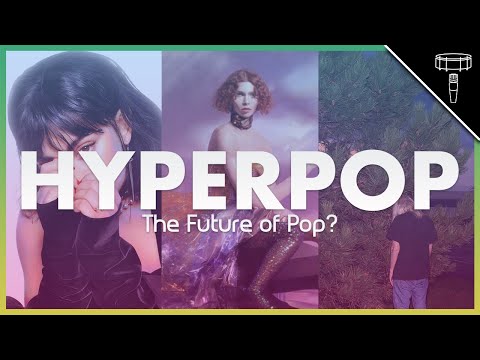
The London-based PC Music collective (A. G. Cook, Hannah Diamond, GFOTY, Danny L Harle, Easyfun, and others) distilled this energy into ultra-synthetic, self-aware singles with exaggerated brand imagery and pristine sound design. In parallel, SOPHIE’s rubbery, percussive productions (e.g., “BIPP”) pushed plastic textures and crystalline highs to the forefront, proving that extreme timbres could still serve undeniable hooks. Projects like QT’s “Hey QT” blurred advertising aesthetics and pop, signaling a new meta-pop sensibility.
Collaborations between the PC Music circle and mainstream-adjacent artists (notably Charli XCX) translated the sound into broader pop contexts. The techniques—formant-shifted vocals, ecstatic chord lifts, clipped percussion, and dazzling, high-sheen synths—coalesced into a recognizable approach. By the end of the decade, editors and audiences adopted the term “hyperpop” for the proliferating wave; proto-hyperpop is now used to describe the formative phase that made this leap possible.
Proto-hyperpop’s maximalist minimalism—few but ultra-bright ingredients, hyper-processed voices, and unabashed pop songwriting—directly seeded hyperpop’s mainstream visibility. It also catalyzed internet-native micro-scenes (digicore, glitchcore) and fed into pluggnb-adjacent production, setting a template for DIY digital pop built for headphones, Discord servers, and timelines.
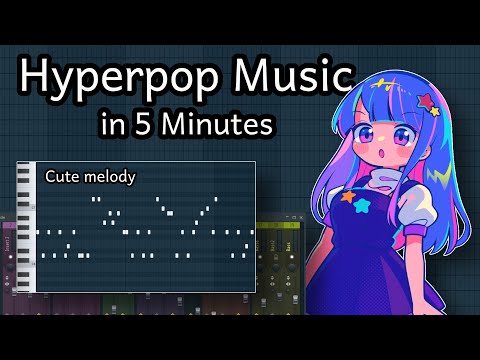
Use extremely bright, synthetic timbres: supersaw or square leads, glassy bells, rubbery percussive one-shots, and clean FM/virtual-analog bass. Layer chiptune waveforms and add subtle bitcrush for a toy-like sheen. Keep mixes glossy and forward, with sharp transients and a controlled, bright top end.
Write hook-driven, diatonic progressions (I–V–vi–IV or IV–V–I lifts) with occasional modal color (Lydian #4, borrowed IV minor) for sparkle. Melodies should be simple, memorable, and syllabically punchy; target strong chorus “lift” moments that feel euphoric when sped up.
Tempo commonly ranges from 120–170 BPM. Combine Eurodance/trance four-on-the-floor energy with trap-adjacent hat patterns or clap fills. Structures are pop-concise (intro–verse–pre–chorus–post), but you can feature “fake-out” drops or sudden timbral pivots to keep the meta-pop playfulness.
Lean on heavy Auto-Tune, pitch/formant shifting, and doubling. Pitched-up (nightcore-style) refrains or harmonies signal the aesthetic immediately. Keep lyrics direct and hyper-sincere (love, identity, consumer tech, digital life), often with tongue-in-cheek branding imagery.
Use few elements but make each one oversized: one lead, one counter-melody, a punchy bass, and bold drums. Sidechain leads/pads to the kick for bounce. Hard high-pass clutter, emphasize 2–5 kHz presence on leads, and keep sub tight (mono) for translation on small speakers.
Reference Y2K visuals, kawaii/J-pop tropes, and internet ephemera. Short runtime singles (2–3 minutes) and striking cover art amplify the meme-ready, maximal-but-minimal ethos.




Top albums