Your digging level
Description
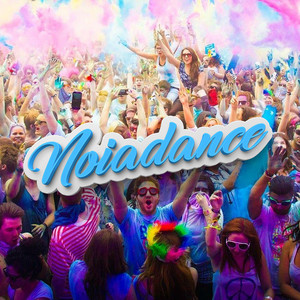
Noiadance is a Brazilian club-music microgenre that blends Dutch house-style EDM production with the rhythmic feel of moombahton.
It typically layers funk brasileiro vocal chops, call-and-response hooks, and percussion patterns over mid-tempo, dance-floor-oriented grooves.
The sound is built for parties and street-dance energy: heavy low end, bright synth leads, and tightly edited vocal snippets that function as rhythmic hooks as much as lyrics.
History
Noiadance emerged in the 2010s as Brazilian producers and DJs experimented with combining global EDM trends—especially Dutch house sound design—with Brazilian funk vocal and percussion sensibilities.
The style spread primarily through DJ edits, dance-focused releases, and online sharing, where short, hooky tracks and bootlegs could travel quickly between party circuits.
As the sound became recognizable, the core recipe stabilized: moombahton tempo and swing, Dutch house synth language (big leads, stabs, risers), and funk brasileiro vocal/drum identity.
Noiadance continues to overlap with adjacent Brazilian club currents, often borrowing modern EDM mix aesthetics while keeping a strong percussive and vocal-driven identity.
Write at ~105–112 BPM (typical moombahton range).
Use a half-time reggaeton/dembow skeleton but feel free to swing the percussion so it feels closer to Brazilian baile energy.
Layer funk brasileiro percussion: tamborzão-style hits, claps, rimshots, and busy shaker patterns.
Keep a punchy kick with tight low-end control; add syncopated toms and fills to create forward motion.
Use a heavy sub that follows short, repeating motifs.
Sidechain the bass to the kick for the “EDM pump,” but avoid overdoing it—percussion clarity is crucial.
Borrow Dutch house language:
• Bright, gritty lead synths (saw stacks, distorted plucks, FM-ish edge). • Short stabs and call-response riffs. • Big risers and impacts for drops.Keep the drop riffs simple and chant-like so they lock with the vocal chops.
Use funk brasileiro vocals as rhythmic hooks:
• Chops, repeats, and pitch moves. • Short phrases for call-and-response. • Occasional full bars for hype and identity.Lyrics are commonly party-oriented (bravado, dance, nightlife), but even when explicit, the main function is rhythmic drive.
Common structure:
• Intro (8–16 bars): percussion + tease vocal. • Build (8 bars): risers, snare rolls, increasing density. • Drop (16–32 bars): dominant riff + vocal hook. • Break/variation: change vocal chop or switch percussion pattern. • Second drop: add a counter-melody or heavier percussion.Aim for a clean, loud club mix:
• Strong kick/sub relationship. • Crisp highs (shakers, hats) without harshness. • Controlled distortion/saturation on leads and vocal chops for aggression and presence.