Your digging level

For this genre
0/8
🏆
Sign in, then listen to this genre to level up

Description

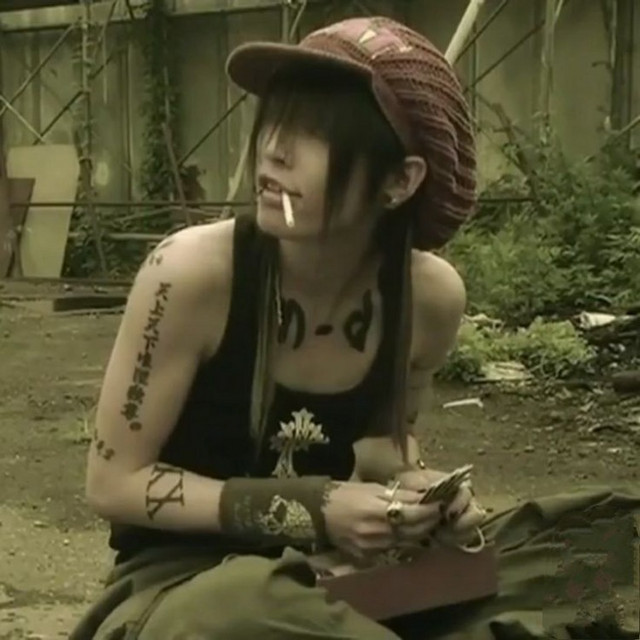
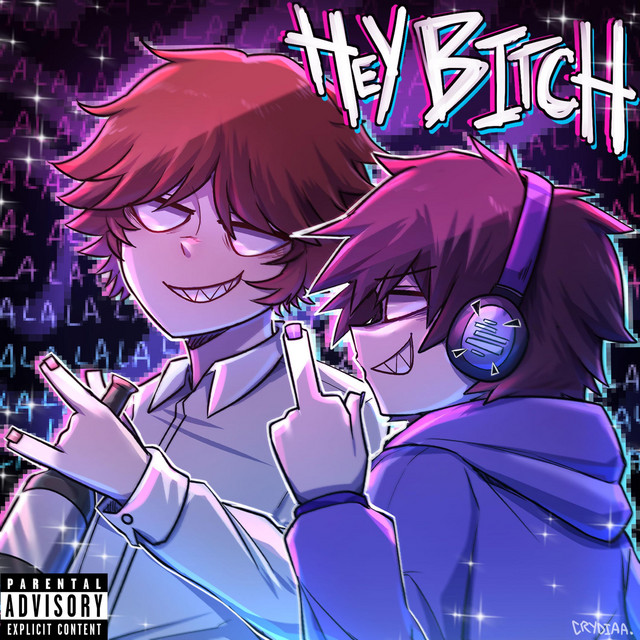
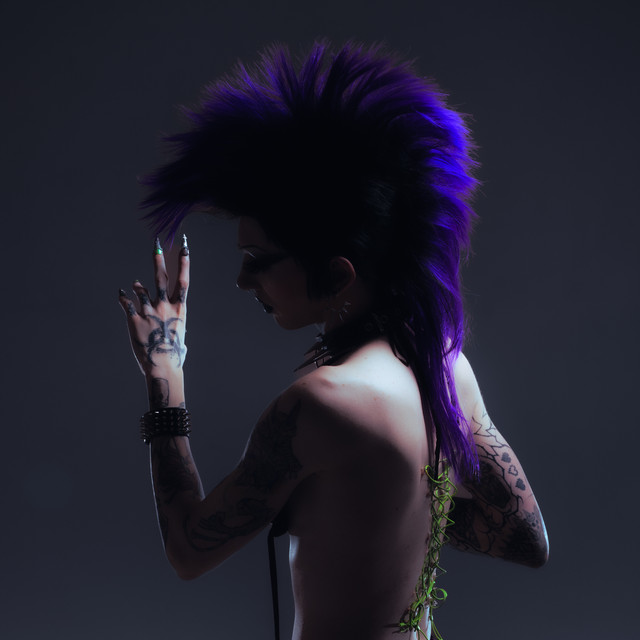
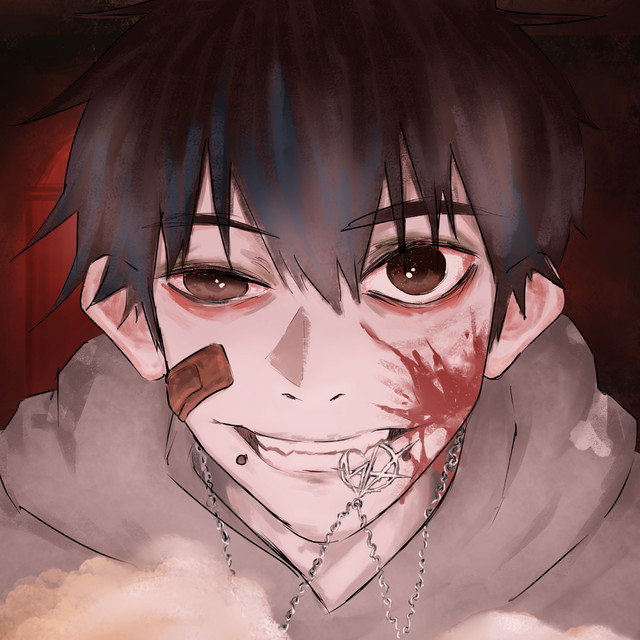
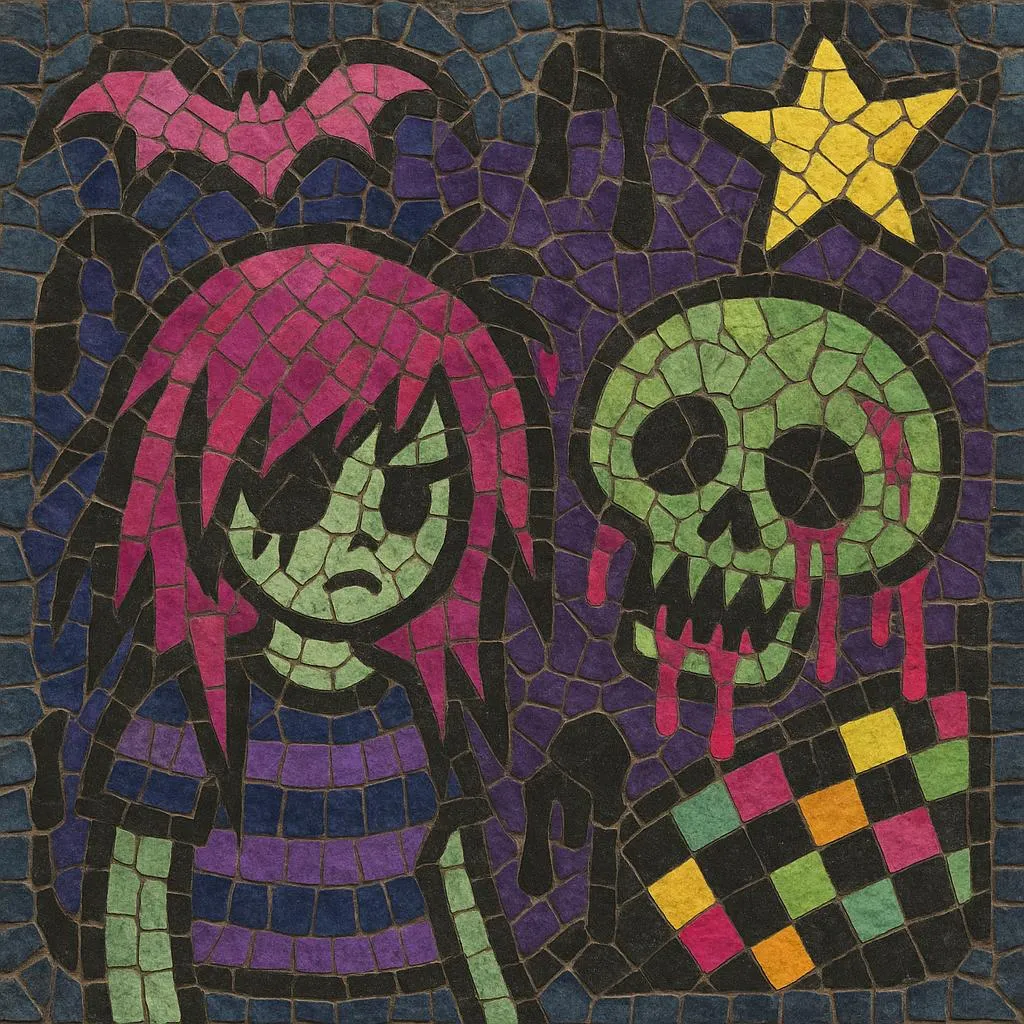
Scenecore is a net-native microgenre that revives mid‑2000s “scene kid” aesthetics—neon hair, slasher/gore imagery, and MySpace-era melodrama—inside a 2020s hyperpop/digicore production framework.

Sonically it blends sped‑up, pitch‑shifted “kawaii” vocals with harsh, clipping drums and distorted 808s, breakcore-like edits, trancey supersaws, and nintendocore/Video‑game timbres. Hooks are chantable and meme-ready, lyrics swing between confessional emo and tongue‑in‑cheek horror, and the entire presentation is designed for short‑form virality on TikTok, SoundCloud, and Discord-driven micro‑communities.

The result is an aggressive, glossy, and maximal style that feels simultaneously nostalgic and ultra‑online: part nightcore rush, part screamo‑rap catharsis, part cyber‑club euphoria.


Sources: Spotify, Wikipedia, Discogs, RYM, MB, user feedback and other online sources

SCENE CULTURE WILL LIVE ON #furry #scene #scenecore #kandi #therian #antizoo #music
carson
Essential Scenecore Music Artists #scenecore #krushclub #6arelyhuman #kets4eki #asteria #scene #emo
Lil Witchy
what’s “scenecore”? #music
blustre
An Introduction To Scenecore Music #hyperpop #kets4eki #6arelyhuman #d3r #krushclub #nightcore
Lil Witchy

History

Origins (2000s roots → 2010s prehistory)
•   Visual and social DNA comes from the mid‑2000s “scene” culture (MySpace, neon/emo fashion, metalcore/screamo fandom) and crunk‑adjacent party rap. In parallel, the audio “speed/high‑gloss” lineage traces to nightcore edits and early nintendocore. •   Through the 2010s, SoundCloud emo‑rap, witch house’s dark ambience, and sporadic breakcore revivals normalized blown‑out drums, pitch manipulation, and horror aesthetics—setting a toolkit scenecore would later weaponize for short‑form platforms.
Formation (2020–2021)
•   Lockdowns and a hyper‑connected Gen Z creator base accelerated a fusion of hyperpop’s digital maximalism with screamo‑rap aggression and nightcore pacing. Artists shared presets, templates, and stems in Discords; TikTok’s micro‑clip economy rewarded chantable hooks, fast BPMs, and striking, gore‑cute visuals.
Consolidation and Spread (2022–present)
•   The style coalesced around common traits: 150–200+ BPM, OTT/clipped drums, trance supersaws, 8‑bit leads, pitched/“baby voice” toplines, and slasher/anime edits. Community playlists, niche labels, and meme accounts helped codify the tag “scenecore.” •   Cross‑pollination with nintendocore, anime‑influenced edits, and drill/rap scenes (e.g., “anime drill”) broadened the palette. The genre remains decentralized—more a shared toolkit and aesthetic commons than a single scene—yet its sound is instantly recognizable across platforms.

How to make a track in this genre

Tempo, Rhythm & Groove
•   Aim for 150–200 BPM (or faster for nightcore energy). Use 4/4 with punchy, straight patterns, but sprinkle breakcore‑like fills, rapid snare rushes, and stutter edits. •   Layer distorted 808s with hard transient kicks; sidechain the mix to the kick for a breathing, clubby pump.
Sound Design & Harmony
•   Combine trance supersaws, bright square/triangle leads, and 8‑bit/game timbres with granular or bitcrushed textures. •   Keep harmony simple (i–VI–III–VII, vi–IV–I–V, or two‑chord loops). Tension is often driven more by arrangement density than complex chord changes.
Vocals
•   Use pitch‑shifting and modest formant moves for a cute/androgynous sheen; double‑track and hard‑pan for width. •   Alternate sung hooks with yelled/screamed ad‑libs or spoken “scene” asides. Heavy tuning (Auto‑Tune) is common, but keep the top line intelligible and hooky.
Arrangement & Edits
•   Structure for virality: intro hook within 5–10 seconds, verse–hook–drop, and frequent micro‑switch‑ups. •   Employ glitch chops, reverse swells, risers, tape‑stop effects, and kill‑switch mutes before drops. Sample one‑shots from slasher/horror SFX tastefully.
Lyrics & Aesthetics
•   Themes: melodramatic romance, online alienation, self‑mythologizing, horror‑movie camp. Keep lines direct, meme‑quotable, and chorus‑first. •   Visuals are part of the composition: neon palettes, slasher/anime edits, pixel fonts, and MySpace‑era iconography.
Mixing, Mastering & Loudness
•   Embrace clipped, “too‑loud” drums (soft clipper after the drum bus). Use OTT, saturation, and bright EQ top‑end. •   Keep the master hot but controlled (ceiling around −0.8 dBFS; target LUFS −7 to −5 for competitive loudness).
Tools & Workflow Tips
•   DAWs: FL Studio/Ableton with OTT, CamelCrusher/soft‑clipping, granular/bitcrush, chorus and wide stereo imaging. •   Build a personal SFX kit (glitches, screams, whooshes), a few signature synth presets (supersaw stack, 8‑bit lead), and a reusable vocal chain for fast iteration.
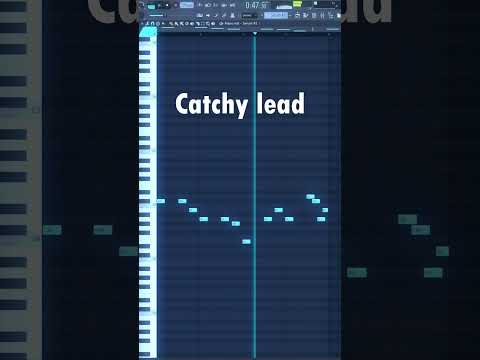
how to make eurodance / scenecore melodies #producer #typebeat
Geam
how to make scenecore melodies #producer #typebeat
Geam
how to make scenecore melodies #producer #typebeat
Geam
how to make scenecore #producer #typebeat
Geam

Main artists

Top tracks

Locked
Share your favorite track to unlock other users’ top tracks

Related labels

Upcoming concerts

in this genre
Influenced by
Has influenced

Download our mobile app

Get the Melodigging app and start digging for new genres on the go
© 2026 Melodigging
Melodding was created as a tribute to Every Noise at Once, which inspired us to help curious minds keep digging into music's ever-evolving genres.
Buy me a coffee for Melodigging