Your digging level
Description
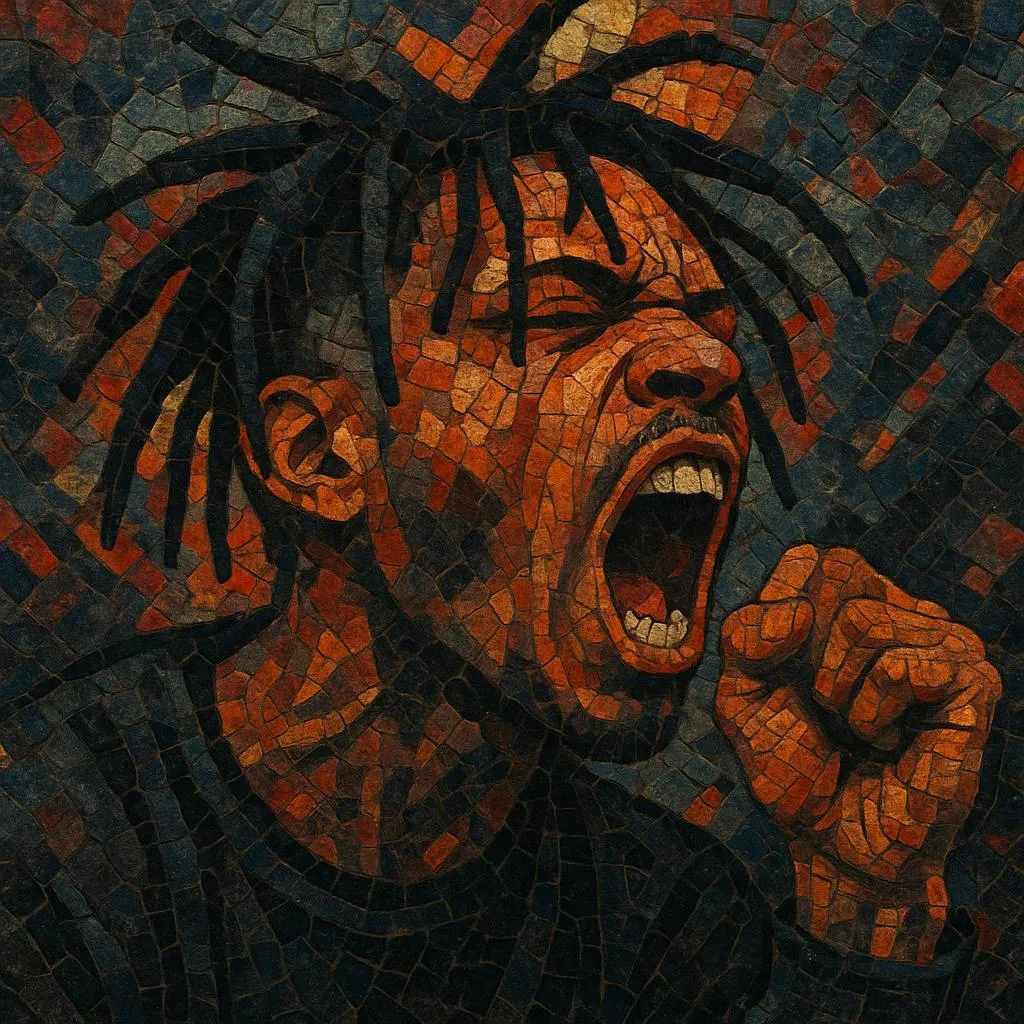
Scream rap is a high-intensity rap style defined by screamed, shouted, or harsh-vocal delivery over trap-leaning beats. Rather than relying on metal-style guitars, it typically keeps a hip-hop rhythmic core—808s, rattling hi‑hats, and booming sub-bass—while pushing vocals and drums into aggressive saturation and intentional clipping.
The result is a cathartic, visceral sound that fuses the emotional volatility of screamo and hardcore punk with the swagger, rhythm, and production grammar of contemporary rap. Lyrical themes often center on rage, alienation, mental health, and internet-era nihilism, but also on boastful energy designed for moshpits and explosive live shows.
History
Scream rap emerged in the 2010s as a vocal-forward offshoot of trap, drawing heavily on the catharsis of screamo and the physicality of hardcore punk and metalcore. Early experiments by underground rappers who shouted or screamed over blown‑out 808s established a template: keep the beat hip‑hop, but push the voice into extreme distortion and emotional volatility.
DIY platforms—especially SoundCloud—accelerated the style. Minimal gatekeeping, cheap home setups, and a taste for clipped mixes let artists publish raw, high-gain recordings that would have been rejected by traditional studios. Producers associated with the online underground used overdriven 808s, crushed drum buses, and simple but hard-hitting motifs to foreground a screamed delivery that read as both punk and rap.
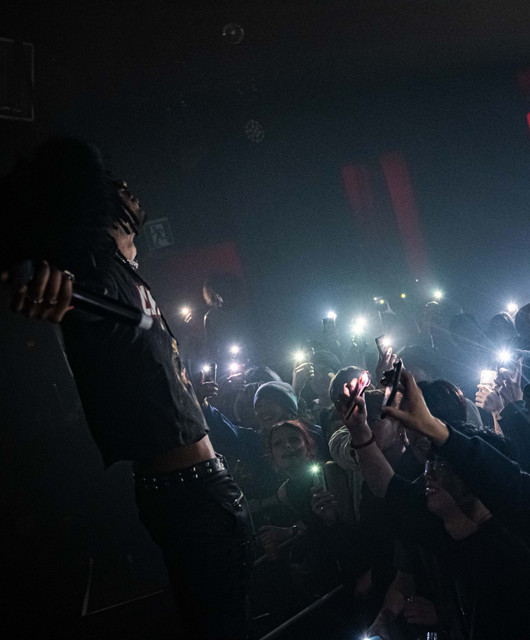
As the style spread, it fragmented alongside related aesthetics—trap metal, punk rap, and industrial-tinged hip hop—yet the core idea remained: screamed verses over trap frameworks. Viral singles and abrasive live performances (with moshpit energy more akin to hardcore shows) helped cement scream rap as a recognizable lane rather than a one-off gimmick.
In the 2020s, scream rap diversified globally. UK, European, and Latin American artists mixed the delivery with local scenes, while producers borrowed from industrial hip hop, rage rap, and hyperpop/digicore, further emphasizing saturated synths, glitchy FX, and tempo-flexible drum programming. The style’s live potency—circle pits, call-and-response hooks, and chantable refrains—kept it a fixture at clubs and festivals.
Scream rap now functions both as a stand-alone tag and as a vocal technique artists deploy within broader trap or alternative rap projects. Its impact is visible in adjacent micro‑genres (trap metal, rage rap) and in the normalization of intentionally "broken" mixes, where clipping and distortion are aesthetic choices rather than errors.