Your digging level
Description
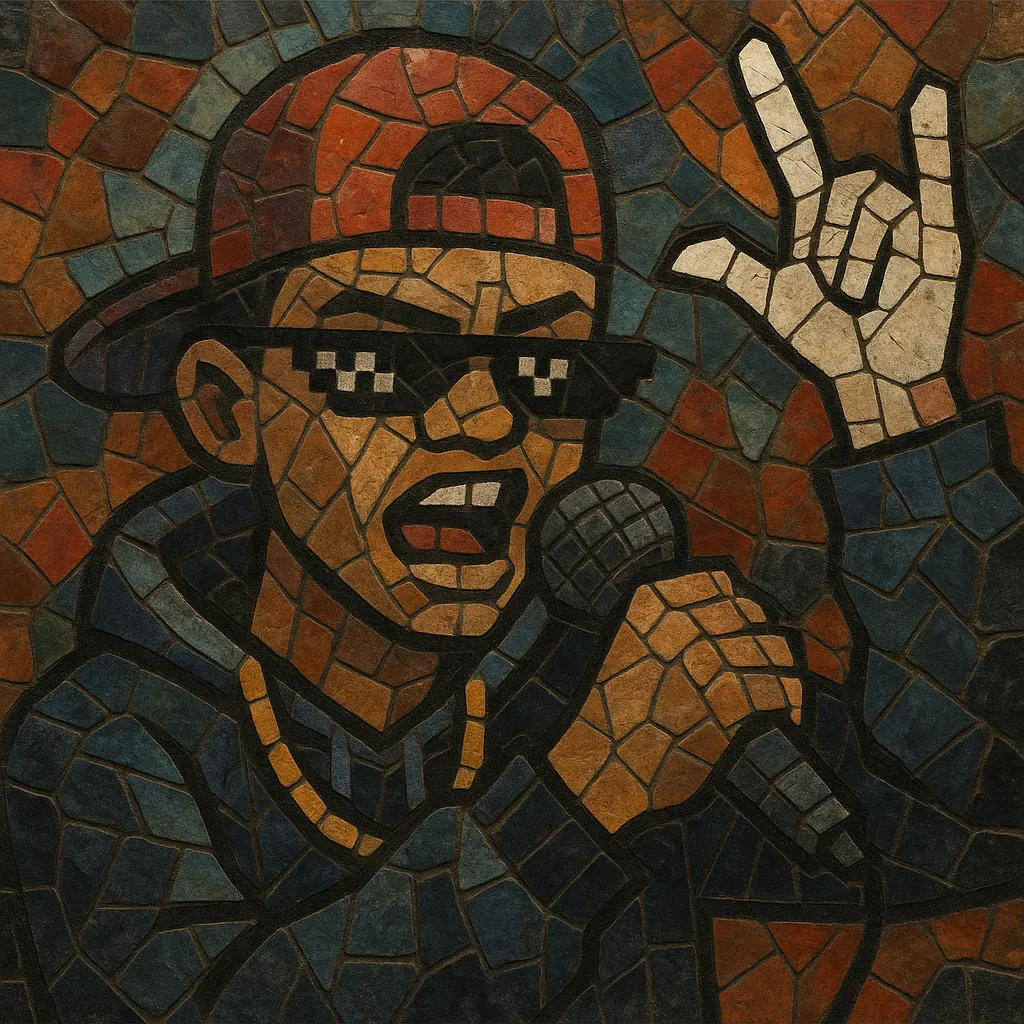
Meme rap is an internet-native strain of hip hop that blends humorous, ironic, and highly referential lyrics with trap-leaning beats and low-to-mid budget DIY production. The focus is less on traditional notions of authenticity and more on virality, punchlines, and the rapid-fire circulation of jokes and cultural references.
The style treats platforms like YouTube, Vine, SoundCloud, and TikTok as both stage and distribution network. Songs are often built around a single meme, catchphrase, or comedic premise, using exaggerated personas and wink-at-the-camera delivery. While playful on the surface, meme rap can be musically savvy, borrowing current trap, cloud-rap, and internet remix aesthetics to engineer instantly shareable moments.


History
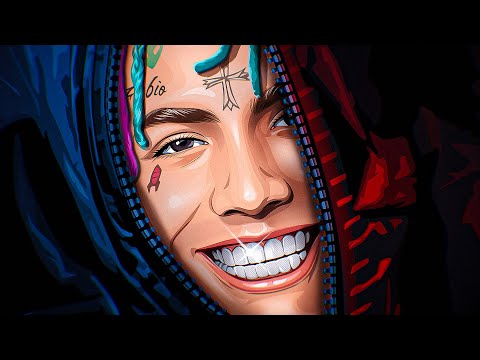
Meme rap emerged alongside the rise of social video and creator culture. Early YouTube-era comedy rap and parody channels laid groundwork for the genre’s tone, while SoundCloud lowered the barrier for fast, DIY releases. Tracks leaned on trap rhythms and cloud-rap atmospheres, but centered humor, irony, and internet in-jokes as the core hook.
A wave of creators blurred lines between novelty and credible rap technique. Viral hits from creator personas and comedic acts demonstrated that shareability could rival traditional promo. The ecosystem rewarded punchy concepts, quotable hooks, and meme-ready snippets tailor‑made for clips and reaction culture. TikTok’s rise around 2018–2019 supercharged the format, turning short, comedic sections into full‑track engines.
Meme rap’s distribution model shaped its sound: short runtimes, immediate hooks, and production choices that pop on phone speakers. Thematically, artists referenced games, influencer culture, and viral trends, often adopting tongue‑in‑cheek flexes or satirical storytelling. Mashup and soundclown culture further normalized humorous samples and fast-turnaround edits.
By the early 2020s, meme‑aware writing and platform‑aware arrangement had permeated mainstream internet rap. While some artists pivoted toward more conventional careers, the genre’s tactics—meme‑literate branding, hook-first writing, and short-form virality—became standard playbooks across hip hop and adjacent pop scenes.