Your digging level
Description
South Florida SoundCloud rap is a mid‑2010s underground rap movement centered in Miami‑Dade and Broward County that spread via SoundCloud’s frictionless, DIY upload culture. It is characterized by blown‑out 808s, intentionally clipping mixes, short track lengths, and confrontational, shouted vocals that borrow the energy of hardcore punk and metal.
Producers favor minimal, abrasive sound design: distorted subs, serrated synth stabs, snappy claps, and frenetic hi‑hat patterns, often delivered at brisk tempos and mastered to the edge for raw impact. Lyrically, songs swing between anarchic provocation, mosh‑pit bravado, and confessional melancholy, with an anti‑establishment, anti‑polish ethos baked into both the music and visuals.
The scene coalesced around collectives and friend networks, drop‑and‑delete single culture, and viral breakout moments, turning local Florida bedrooms and garages into export hubs for a new, aggressive strain of internet rap.
History
South Florida’s lineage of bass‑heavy, DIY rap (from Miami bass to street‑level Southern hip hop) laid the groundwork. SpaceGhostPurrp and Raider Klan revived Memphis rap aesthetics with lo‑fi menace and tape‑warble minimalism, while local scenes around Carol City, Miami Gardens, and Broward incubated a generation of teens learning FL Studio and uploading directly to SoundCloud.
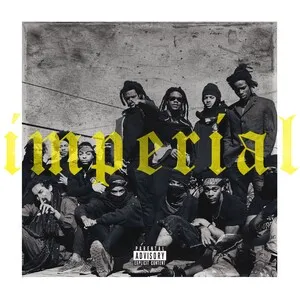
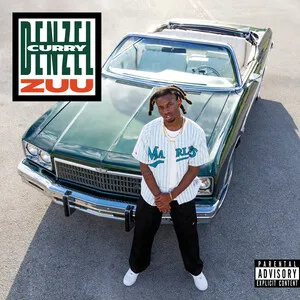
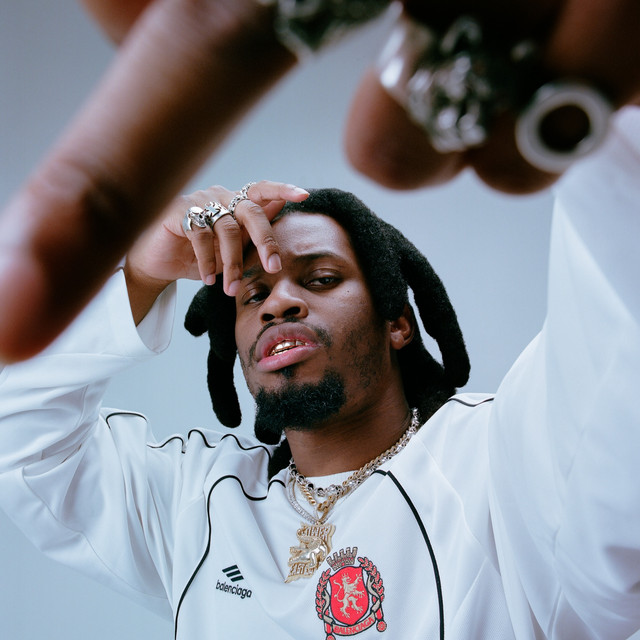
As SoundCloud’s algorithm and repost networks matured, a distinct Florida sound congealed: ultra‑distorted 808s, dry and loud vocal takes, and songs often under two minutes. Denzel Curry bridged earlier underground waves with viral anthems (“Ultimate”), while collectives like Members Only amplified a scream‑rap delivery and punk show energy. The producer Ronny J’s serrated drums and sub‑destroying bass became a scene calling card.
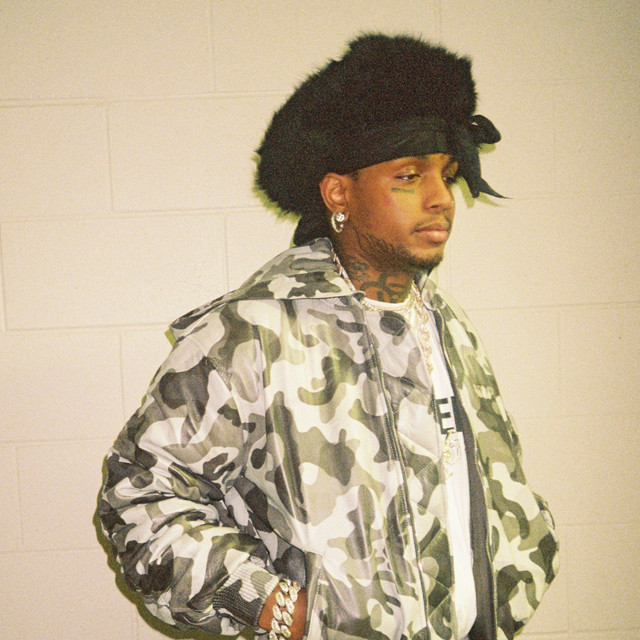
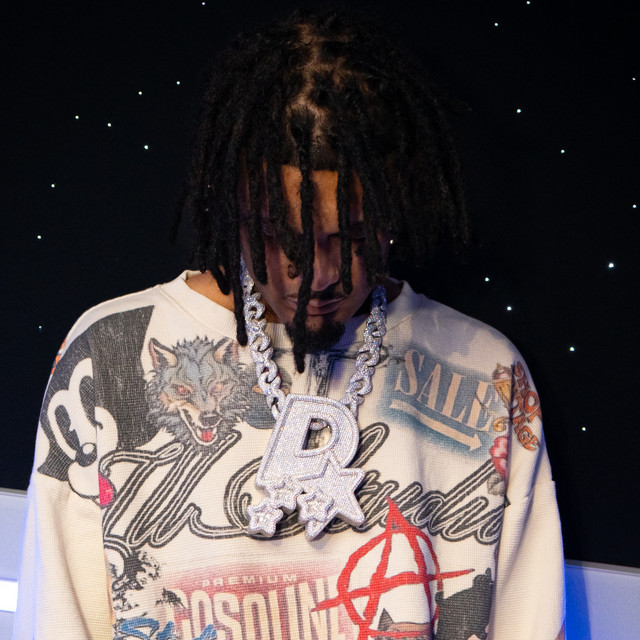
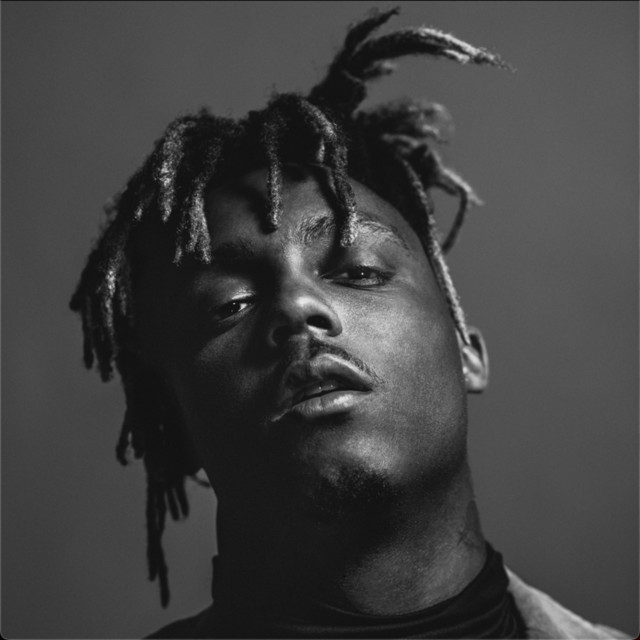
XXXTentacion’s “Look at Me!” exploded with clipping bass and shouted flows, epitomizing the scene’s anti‑polish. In parallel, Lil Pump and Smokepurpp fired off mantra‑like hooks and terse tracks built for instant replay, turning Florida bedrooms into global stages. Pouya, Wifisfuneral, Robb Bank$, and Yung Simmie expanded the region’s profile, each threading different blends of punk energy, grimy minimalism, and internet‑native marketing.
High‑octane shows, public feuds, and legal troubles kept the scene in headlines. Tragedies and arrests punctuated the period, but the sonic blueprint—blown‑out bass, no‑frills mixing, and mosh‑pit hooks—had already infiltrated mainstream rap’s production language and performance style.
The Florida aesthetic seeded new hybrids—punk rap, trap metal, and no‑melody trap—and normalized louder‑than‑life mastering and short, hook‑driven formats across streaming platforms. Even as individual careers evolved or ended, the scene’s DIY ethos and sound‑design choices became standard tools for internet‑era rap worldwide.