Your digging level
Description
Chopper (or chopper rap) is a hip‑hop style defined by extremely fast, rhythmically precise rapping delivered in tightly packed syllable clusters.
It typically rides mid‑tempo, often R&B‑tinged or boom‑bap beats at 70–95 BPM while the emcee performs in double‑time or even triple‑time, creating the impression of 140–190 BPM flows.
Signature traits include breath‑control feats, crisp articulation, heavy internal rhyme and alliteration, and resonant, often sung or anthemic hooks to contrast the dense verses.
While early instances of rapid‑fire flows appeared on the U.S. East Coast in the late 1980s, the style was codified in the American Midwest during the 1990s and then spread nationally and internationally in the 2000s.

History
Fast, breathless delivery first surfaced in East Coast hip hop’s competitive era, where emcees experimented with double‑time cadences over boom‑bap drums. Pioneers of intricate internal rhymes and accelerated passages laid conceptual groundwork for later full‑song, high‑velocity performances.
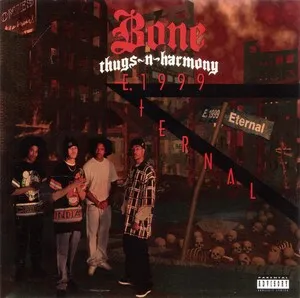
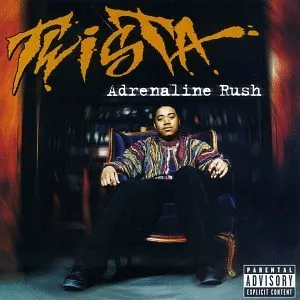
The style crystallized in the American Midwest in the 1990s, particularly through Chicago and Cleveland acts. Twista (who attained recognition for record‑setting speed), Bone Thugs‑n‑Harmony (blending sung harmonies with rapid cadences), and Chicago groups like Do or Die and Crucial Conflict helped define the chopper blueprint: swift, syllable‑dense verses over slow‑jam or mid‑tempo grooves, balanced by memorable, resonant hooks. Kansas City’s Tech N9ne expanded the approach with theatrical precision and technical showmanship, turning the style into a core regional identity.
By the early 2000s the chopper aesthetic had spread from the Midwest to California and back to New York. Tech N9ne’s touring ecosystem (and Strange Music) popularized the technique on the independent circuit, while high‑profile mainstream emcees occasionally showcased speed‑rap set pieces, highlighting the style’s athleticism and crowd appeal.
YouTube challenges, lyrical breakdown channels, and social media cyphers amplified the appeal of precision speed‑rap worldwide. Artists across the U.S., Europe, and Asia incorporated chopper passages into hybrid styles (underground hip hop, internet rap, and even heavier rap‑adjacent forms). Today the style is both a technical benchmark and a live show highlight, with its core traits—tight timekeeping, clean diction, and elaborate rhyme webs—widely understood and emulated.



Top albums
Best playlists