Your digging level
Description
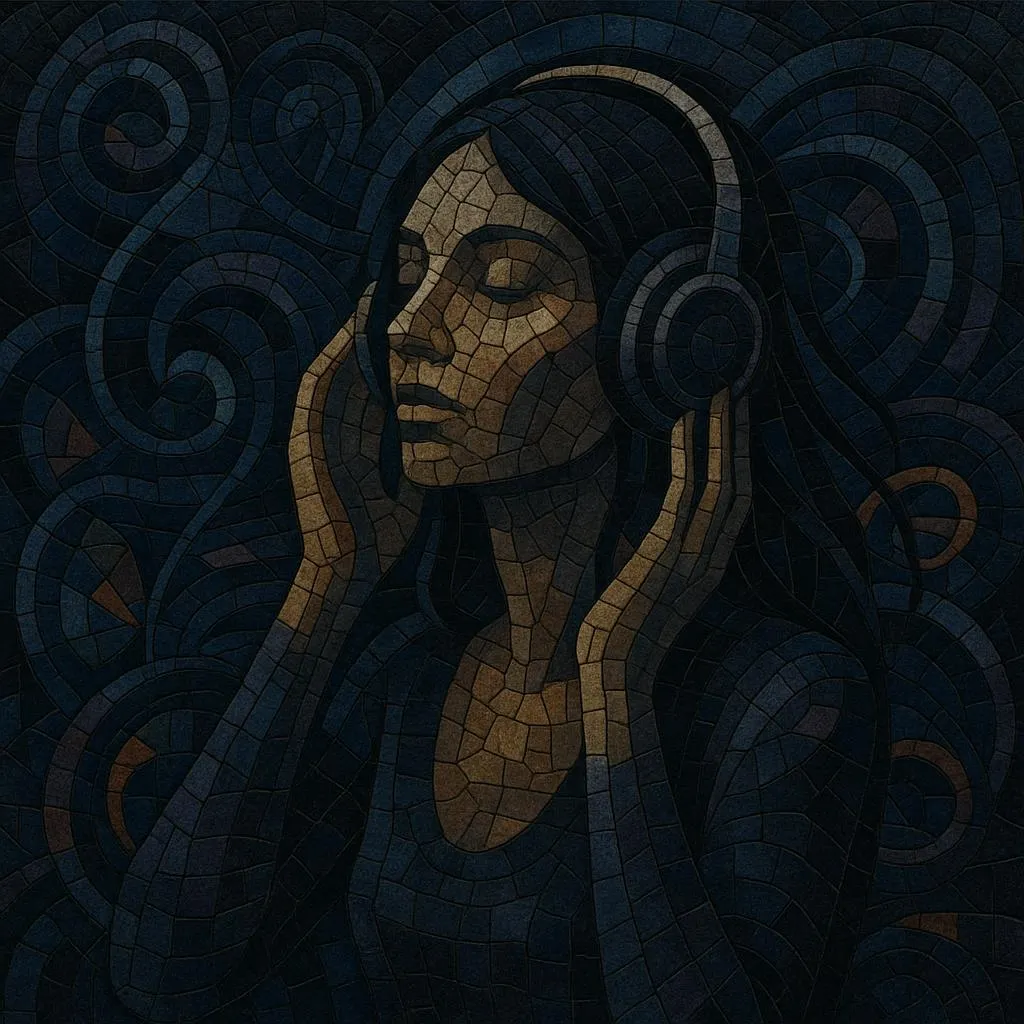
Deep eurodance is a darker, more atmospheric strain of the 1990s eurodance sound. It keeps the genre’s four-on-the-floor drive, rap–verse/sung–chorus interplay, and big hooks, but swaps the brightest bubblegum elements for moody pads, minor-key chord cycles, and deeper, club-focused production.
Where classic eurodance pushed radio-friendly euphoria, deep eurodance tilts toward late‑night dancefloors: warm subs, subdued M1/organ stabs, hoover textures used sparingly, and emotive toplines that feel nostalgic rather than sugary. The result is a style that sits between eurodance, trance, and deep house aesthetics—energetic and danceable, yet more hypnotic and introspective.
History
Eurodance emerged across continental Europe—especially Germany, Italy, Belgium, and the Netherlands—combining house/techno beats with Italo‑disco/Hi‑NRG songwriting and the signature rap–singer format. Within that wave, a deeper, more club-oriented current formed. Producers favored moody minor keys, smoother subs, and atmospheric pads, aiming for long, late‑night sets rather than bright daytime radio alone. This sound clustered around German studios and labels that also trafficked in trance and deeper house, helping the “deep eurodance” sensibility take shape.
As eurodance dominated charts, the deeper variant thrived in clubs and 12" mixes. Extended versions emphasized hypnotic breakdowns, filtered organ/piano riffs, and trance‑leaning builds. The sound maintained the anthemic choruses eurodance is known for, but the production leaned toward warmth and space: rolling bass, reverb‑washed vocals, and less cartoonish brightness. This positioned deep eurodance as a bridge between eurodance and progressive/trance scenes.
Following the late‑90s peak, the deeper eurodance template fed into early 2000s European club styles and informed hands up and euro‑trance aesthetics. In the 2010s/2020s, nostalgia cycles and reissue culture resurfaced obscure club mixes and B‑sides, while contemporary producers borrowed the same minor‑key progressions, organ stabs, and velvety pads. Online scenes and DJ culture now treat deep eurodance as a connoisseur’s corner of the broader eurodance canon—less about novelty, more about groove, atmosphere, and sustained dancefloor momentum.