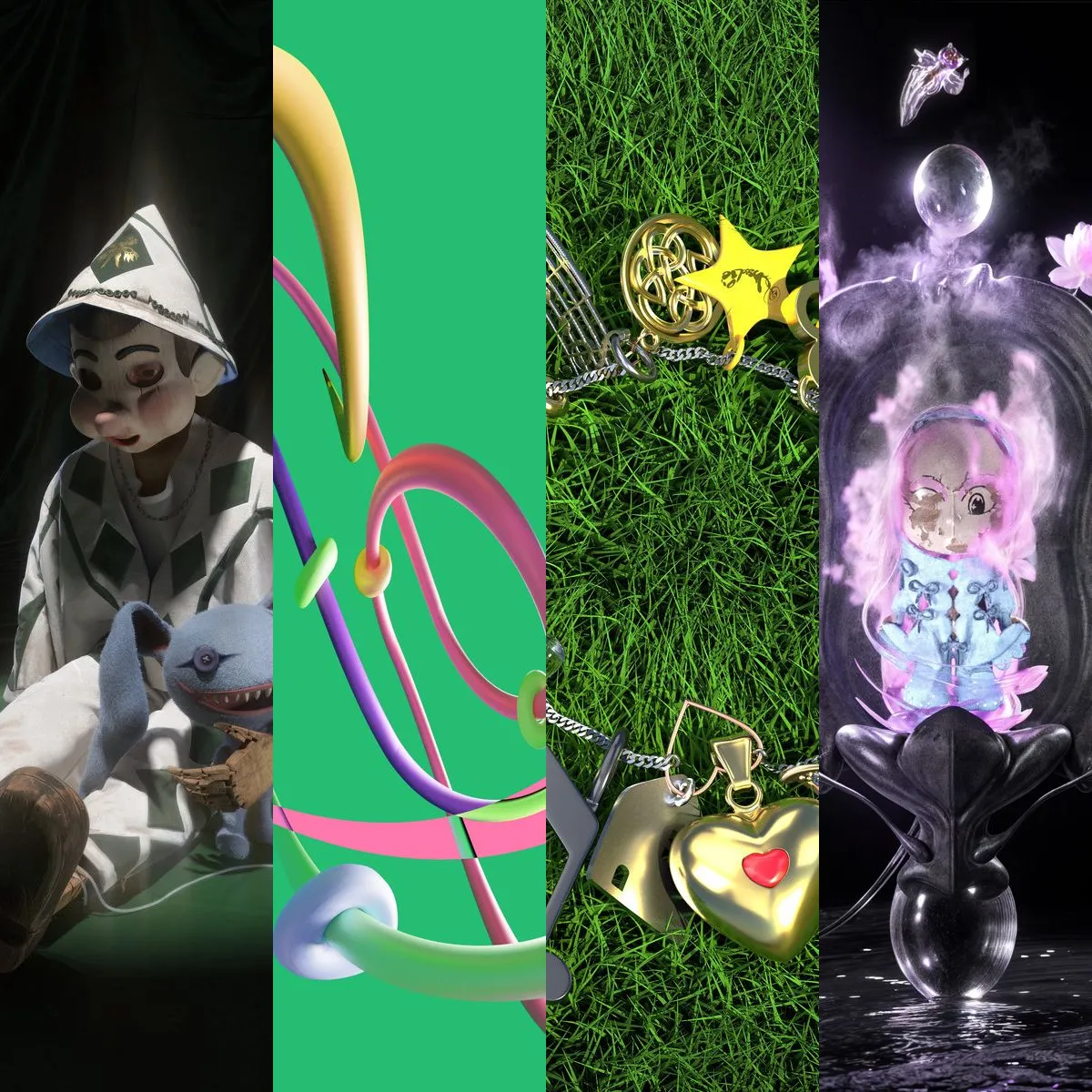
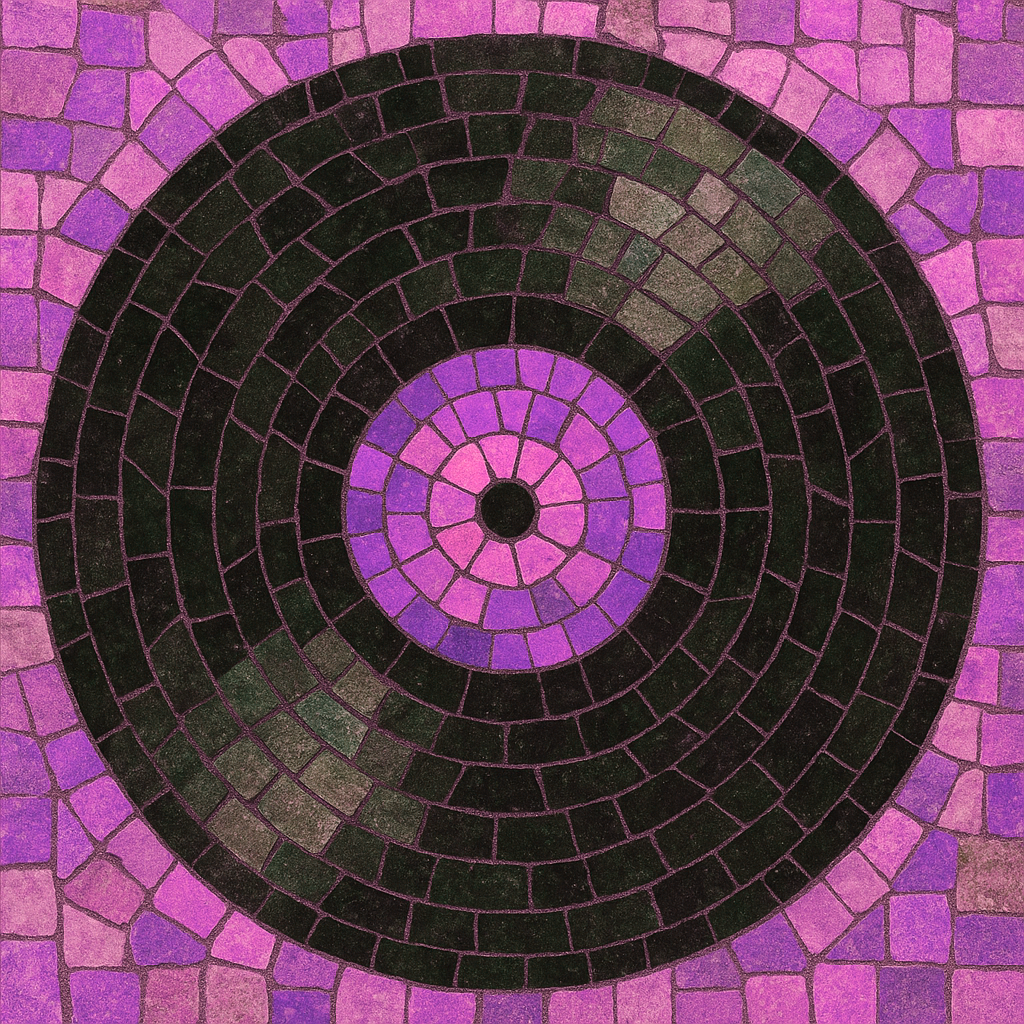
Arcane: League of Legends: Season Two Original Soundtrack
Riot Games Music Team, Thutmose, Scruby, Cal, Riot Games Music Team, MARUV, Riot Games Music Team, Crystal Method, The, Riot Games Music Team, McKinnon, Jeremy, MAX, HENRY, Riot Games Music Team, Seige, The, Riot Games Music Team, Riot Games Music Team, Riot Games Music Team, Riot Games Music Team, Skinner, Sara, Riot Games Music Team, Riot Games Music Team, K/DA, Beer, Madison, i-dle, Riot Games Music Team, Riot Games Music Team, Riot Games Music Team, Glitch Mob, The, Mako, Word Alive, The, Pentakill, K/DA, Beer, Madison, i-dle, Liu, Lexie, Burns, Jaira, Seraphine, Riot Games Music Team, Against the Current, Mako, Theoz, Riot Games Music Team, Riot Games Music Team, 2WEI, Hayes, Edda, Riot Games Music Team, Riot Games Music Team, Riot Games Music Team, Riot Games Music Team, USC Trojan Marching Band, Riot Games Music Team, K/DA, Beer, Madison, i-dle, Riot Games Music Team, Carpenter Brut, 2WEI, Ali Christenhusz, Riot Games Music Team, HEALTH, Riot Games Music Team, Riot Games Music Team, Russo, Cailin, Costanza, Chrissy, Riot Games Music Team, Riot Games Music Team, Riot Games Music Team, Riot Games Music Team, Riot Games Music Team, Russo, Cailin, Costanza, Chrissy, Riot Games Music Team, BOBBY, Mako, Glitch Mob, The, Word Alive, The, Riot Games Music Team, Against the Current, Riot Games Music Team, 1788-L, K/DA, Riot Games Music Team, Riot Games Music Team, Ecca Vandal, Riot Games Music Team, Riot Games Music Team, Riot Games Music Team, Danger, Riot Games Music Team, Riot Games Music Team, Against the Current, Mako, Riot Games Music Team, K/DA, Riot Games Music Team, Riot Games Music Team, Foreign Air, Riot Games Music Team, Riot Games Music Team, Mwangi, Stella, VALORANT, Riot Games Music Team, Seraphine, Clarke, Jasmine, VALORANT, LICK, Glitch Mob, The, Mako, Word Alive, The, 2WEI, Ali Christenhusz, Pentakill, Riot Games Music Team, K/DA, i-dle, Wolftyla, Riot Games Music Team, Seraphine, Clarke, Jasmine, Riot Games Music Team, Riot Games Music Team, Riot Games Music Team, VALORANT, LICK, Riot Games Music Team, Russo, Cailin, Costanza, Chrissy, Broussard, Valerie, Chen, Ray, Riot Games Music Team, True Damage, Becky G, Palmer, Keke, SOYEON, DUCKWRTH, Thutmose, Riot Games Music Team, K/DA, Riot Games Music Team, Riot Games Music Team, Riot Games Music Team, Riot Games Music Team, Riot Games Music Team, Bloody Beetroots, The, Riot Games Music Team, Thutmose, Scruby, Cal, Riot Games Music Team, Riot Games Music Team, Russo, Cailin, Costanza, Chrissy, Russo, Cailin, Costanza, Chrissy, Riot Games Music Team, Riot Games Music Team, Riot Games Music Team, Riot Games Music Team, Riot Games Music Team, Pentakill, K/DA, Riot Games Music Team, Taylor, Nicki, Riot Games Music Team, McKinnon, Jeremy, MAX, HENRY, ford., Riot Games Music Team, Prblm Chld, new.wav, K/DA, Riot Games Music Team, Riot Games Music Team, Riot Games Music Team, DPR LIVE, Riot Games Music Team, Madge, VALORANT, Riot Games Music Team, PVRIS, Miller, Bea, Riot Games Music Team, Riot Games Music Team, Riot Games Music Team, Teamfight Tactics, Riot Games Music Team, Raynaud, Jean Emmanuel Gabriel Baptist, Baravaglio, Cedric, Riot Games Music Team, Riot Games Music Team, Madge, VALORANT, VALORANT, ARB4, Tienas, Riot Games Music Team, VALORANT, ericdoa, VALORANT, Yousefi Hashtyani, David, Nguyen, Bryan Thanh, Riot Games Music Team, Riot Games Music Team, 2WEI, Forts, Aris, Tiffany, Riot Games Music Team, Riot Games Music Team, HEARTSTEEL, BAEKHYUN, Lou, Tobi, ØZI, Scruby, Cal, VALORANT, ericdoa, VALORANT, Grabbitz, NewJeans, Riot Games Music Team, Riot Games Music Team, VALORANT, One True God, Arcane, Riot Games Music Team, VALORANT, ARB4, Jazz Alonso, Pentakill, VALORANT, eaJ, Safari Riot, Coker, Gareth, VALORANT, Grabbitz, bbnomoney, Arcane, Riot Games Music Team, 2WEI, Leess, Hanna, Kataem, Brooks, Marvin, Robinson, Porter, Riot Games Music Team, Riot Games Music Team, Wang, Jackson, 88rising, Various Artists, VALORANT, Coker, Gareth, VALORANT, LEC, Riot Games Music Team, Riot Games Music Team, Babic, Lauren, Various Artists, Riot Games Music Team, 2WEI, Riot Forge, Riot Games Music Team, VALORANT, André Oliveira, Ghostwriter, Arcane, Riot Games Music Team, VALORANT, Ashnikko, Riot Games Music Team, Riot Games Music Team, Riot Games Music Team, VALORANT, Shyloom, Riot Games Music Team, Riot Games Music Team, Robinson, Porter, Riot Games Music Team, Riot Games Music Team, Riot Games Music Team, BRAIN TAN, Riot Games Music Team, Riot Games Music Team, 2WEI, Leibfried, Louis, Hayes, Edda, Riot Games Music Team, Ramsey, Arcane, Riot Games Music Team, Riot Games Music Team, VALORANT, Riot Forge, Stemage, VALORANT, KISS OF LIFE, Tuan, Yien, LEC, Riot Games Music Team, Arcane, Riot Games Music Team, PVRIS, Riot Games Music Team, Riot Games Music Team, Courtney, Barns, ARB4, VALORANT, VALORANT, KISS OF LIFE, Tuan, Yien, Pentakill, Riot Games Music Team, Max LL, VALORANT, Ashnikko, VALORANT, Grabbitz, bbnomoney, VALORANT, Shyloom, Riot Games Music Team, Two Feathers, Riot Games Music Team, eaJ, Safari Riot, VALORANT, Riot Games Music Team, VALORANT, Helin, ARB4, Riot Games Music Team, Coker, Gareth, Riot Games Music Team, Riot Forge, Riot Games Music Team, Riot Games Music Team, Riot Games Music Team, Riot Games Music Team, Che Lingo, VALORANT, SpreadLof, Riot Games Music Team, ARB4, Tienas, VALORANT, Yacht Money, NAWAS, Riot Forge, Riot Games Music Team, Velasco, Cris, Riot Forge, Riot Games Music Team, Luna, Luedji, VALORANT, VALORANT, Grabbitz, VALORANT, Grabbitz, Zedd, VALORANT, Shyloom, Riot Games Music Team, Riot Games Music Team, Lilas, Penkin, Kevin, VALORANT, Princess, King, ZAND, Stray Kids, Young Miko, Mako, Grey, Sloan, Sasha Alex, davd, Arcane, Riot Games Music Team, VALORANT, templuv, 347aidan, Riot Games Music Team, VALORANT, 8AE, Stromae, Pomme, Arcane, VALORANT, Riot Games Music Team, Temple, Alexander "Scherzophrenia", VALORANT, Riot Games Music Team, Arcane, Riot Games Music Team, VALORANT, 8AE, Princess, King, Arcane, Riot Games Music Team, Arcane, Riot Games Music Team, Arcane, Stromae, Pomme, Coldplay, Arcane, Riot Games Music Team, Arcane, Riot Games Music Team, VALORANT, Arcane, Riot Games Music Team, Imagine Dragons, JID, Arcane, Ridings, Freya, Arcane, Riot Games Music Team, Ashnikko, Riot Games Music Team, Riot Games Music Team, VALORANT, templuv, 347aidan, Arcane, Riot Games Music Team, Arcane, Riot Games Music Team, Arcane, Arcane, Riot Games Music Team, Arcane, Riot Games Music Team, Ashnikko, Arcane, Riot Games Music Team, ZAND, Arcane, Riot Games Music Team, Princess, King, Arcane, Riot Games Music Team, Riot Games Music Team, AnDy Darling, 2XKO, Polyphia, Zuretti, Jesse, Arcane, Riot Games Music Team, Princess, King, Arcane, Riot Games Music Team, Ecca Vandal, Arcane, Riot Games Music Team, Riot Games Music Team, Ralph, Sheryl Lee, Arcane, Riot Games Music Team, Arcane, Riot Games Music Team, Arcane, Riot Games Music Team, Arcane, Riot Games Music Team, Royal and The Serpent, Arcane, Arcane, Riot Games Music Team, Arcane, Riot Games Music Team, Lilas, Penkin, Kevin, Riot Games Music Team, Arcane, TeYa, FEVER 333, Riot Games Music Team, Lilas, Penkin, Kevin, Arcane, ZAND, twenty one pilots, Arcane, Riot Games Music Team, Riot Games Music Team, G.E.M. 鄧紫棋, Riot Games Music Team, Thompson, Richard, Hemstapat, Bill, Spears, J.D., Najand, Sebastien, Temple, Alexander "Scherzophrenia", Riot Games Music Team, King, Marcus, Arcane, Riot Games Music Team, Royal and The Serpent, Arcane, Riot Games Music Team, Riot Games Music Team, KISS OF LIFE, Tuan, Yien, Arcane, Princess, King, davd, Arcane, Riot Games Music Team, Arcane, Riot Games Music Team, G.E.M. 鄧紫棋